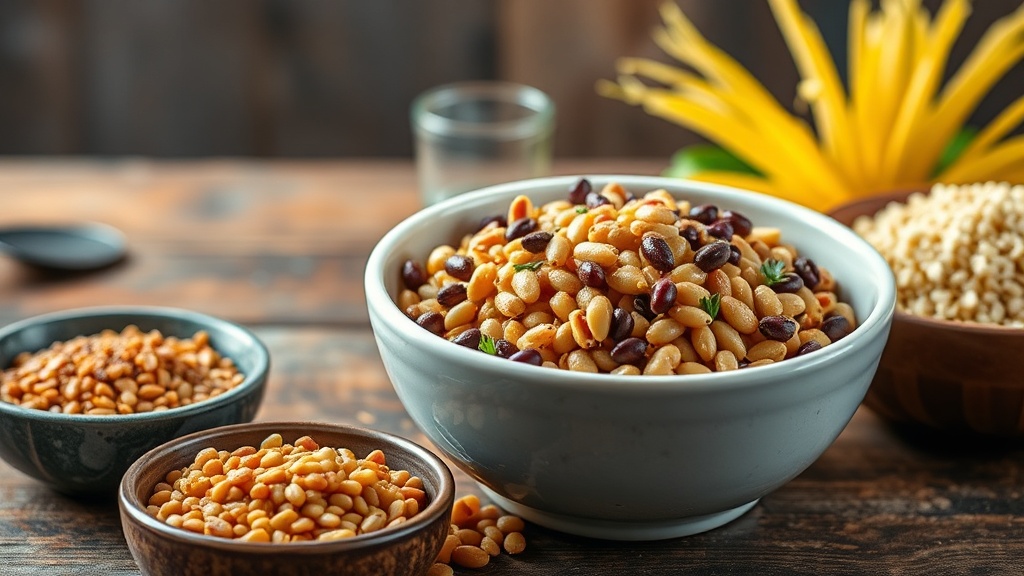
Mastering the Art of Batch Cooking Grains and Legumes

Let’s get real for a second. We have all been there: it is 6:30 PM on a Tuesday, you just finished a grueling shift, the fridge looks like a barren wasteland, and the temptation to hit the drive-thru is hitting an all-time high. You think you are too tired to cook, so you spend $35 on a mediocre takeout meal that leaves you feeling sluggish and broke. I’m not here to tell you to "just meal prep" like it’s some aesthetic Pinterest hobby. I’m here to tell you that batch cooking is a survival strategy for your bank account and your health.
In my years as a social worker, I saw firsthand how food insecurity and the "poverty tax"—the extra money people spend because they don't have the time or resources to cook from scratch—wrecked families. When you are living on a tight budget, you cannot afford to be reactive. You have to be proactive. Mastering the art of batch cooking grains and legumes isn't about being a gourmet chef; it’s about building a foundation of cheap, nutrient-dense, versatile staples that turn "nothing to eat" into a nutritious meal in under ten minutes.
The Math of the Grain and Legume Strategy
Before we get into the "how," let’s look at the "why" through the lens of cold, hard math. A bag of dried lentils or a large container of brown rice costs a fraction of the price of pre-cooked pouches or frozen veggie medleys. When you buy in bulk and cook at home, you aren't just saving money; you are reclaiming your time and your health. You are choosing complex carbohydrates and plant-based proteins over processed fillers and excessive sodium.
If you want to understand the sheer nutritional value of what we are talking about, I highly recommend checking out the magic of dried beans as a budget-friendly protein powerhouse. It’s the backbone of a smart pantry. By prepping these items in large quantities, you are essentially creating a "modular" kitchen where any combination of ingredients can become a meal.
Phase 1: Mastering the Grains
Grains are your energy source. Whether it’s quinoa, farro, brown rice, or buckwheat, these are the heavy lifters of your plate. The mistake most people make is cooking a small amount every few days. That is a recipe for burnout. Instead, you need to view your grain cooker as a production line.
The Golden Rules of Grain Batching
- Use a Ratio, Not a Guess: For most long-grain varieties like brown rice, the ratio is 1 part grain to 2 parts liquid. For more forgiving grains like quinoa, it might be 1:1.5. Consistency is key to preventing that mushy texture we all hate.
- Flavor the Water: Never cook grains in plain water if you can help it. Add a bay leaf, a smashed clove of garlic, or a pinch of salt. This builds a base of flavor so your final meal doesn't taste like wet cardboard.
- The Cooling Method: If you plan to use your grains for salads or grain bowls, let them cool completely before refrigerating. This prevents condensation, which leads to spoilage and a weird, slimy texture.
If you want to dive deeper into the technical side of grain preparation, my guide on how to master the art of batch cooking grains will give you the granular details on timing and storage. Once you have a container of fluffy farro or seasoned rice in the fridge, you are halfway to a finished meal.
Phase 2: The Legume Powerhouse
If grains are the foundation, legumes are the structure. Beans, lentils, and chickpeas are the most cost-effective way to hit your protein goals without relying on expensive animal products. However, there is a learning curve here. If you try to cook dried beans without a plan, you’ll end up with something either rock-hard or unpleasantly mushy.
The Essential Legume Toolkit
- The Soak: For larger beans like chickpeas or kidney beans, a long soak (12–24 hours) is non-negotiable. It helps break down the complex sugars that cause bloating and ensures even cooking.
- The Pressure Cooker Advantage: If you can swing the investment for an Instant Pot or a similar pressure cooker, do it. It cuts cooking time for dried beans from hours to minutes. It is a game-changer for anyone working a full-time job.
- The Texture Test: You want your legumes to be tender but not falling apart. For a salad, you want a "bite." For a stew or chili, you want them to be soft enough to meld into the sauce.
For a deep dive into the nuances of different bean varieties and their specific needs, read the ultimate guide to mastering dried beans and legumes. This is where the real savings happen—moving away from the canned aisle and into the bulk bin.
"Cooking is not a luxury; it is a fundamental skill for autonomy. When you control your ingredients, you control your health and your budget."
The "Modular Meal" System: How to Use Your Batches
The biggest mistake people make with batch cooking is making one giant pot of a single dish (like a massive batch of chili) and eating it for five days straight. That is how you end up hating your food by Wednesday. Instead, I want you to think in modules. You aren't making a meal; you are making components.
The Three-Component Formula
Every great, filling meal consists of a Base, a Protein, and a Flavor Booster. By batching these separately, you can create dozens of different meals from the same starting ingredients.
Example 1: The Mediterranean Bowl
- Base: A container of cooked quinoa.
- Protein: A batch of seasoned chickpeas.
- Flavor Booster: Fresh cucumbers, feta cheese, and a squeeze of lemon.
Example 2: The Savory Grain Bowl
- Base: Cooked brown rice.
- Protein: Stewed lentils.
- Flavor Booster: Sautéed spinach and a drizzle of tahini or soy sauce.
Example 3: The Quick Taco/Burrito Filler
- Base: Cooked white or brown rice.
- Protein: Black beans (cooked with garlic and onion).
- Flavor Booster: Jarred salsa and avocado.
This modular approach ensures that you aren't bored. You can change the flavor profile entirely just by switching the "Flavor Booster." This is the difference between a chore and a system.
Storage and Food Safety: Don't Waste Your Work
There is nothing more frustrating than realizing your hard work has gone bad because you didn't store it correctly. When you are working with a budget, food waste is a direct hit to your wallet. You cannot afford to throw away a container of spoiled beans.
The Pro-Tips for Longevity
- Glass Over Plastic: If possible, store your cooked grains and legumes in glass containers. Glass keeps food fresher for longer and doesn't leach chemicals or hold onto smells.
- The 4-Day Rule: Most cooked grains and legumes will stay fresh in the refrigerator for 4 to 5 days. If you have cooked a massive batch, do not leave it in the fridge for a week.
- The Freezer is Your Best Friend: This is the secret weapon. If you have leftover cooked lentils or a large amount of rice, portion them into freezer-safe bags or containers. You can freeze cooked grains and beans for months. When you need a quick meal, just reheat them in a pan or the microwave.
As we move through different seasons, our needs change. Just as we might look for eco-friendly cleaning solutions for spring cleaning to refresh our homes, we must also refresh our pantry and storage habits to keep our food safe and our kitchen running efficiently.
Final Thoughts: Start Small
Don't try to batch cook everything this weekend. You will get overwhelmed and quit. Start with one thing. This week, just cook a large batch of rice or a large pot of lentils. Get used to the rhythm of it. Once that feels easy, add another component.
Building a healthy, budget-friendly kitchen is a marathon, not a sprint. It takes grit, a little bit of planning, and the willingness to do the work upfront so that your future self isn't stuck eating expensive, processed junk. You have the tools. Now, go use them.