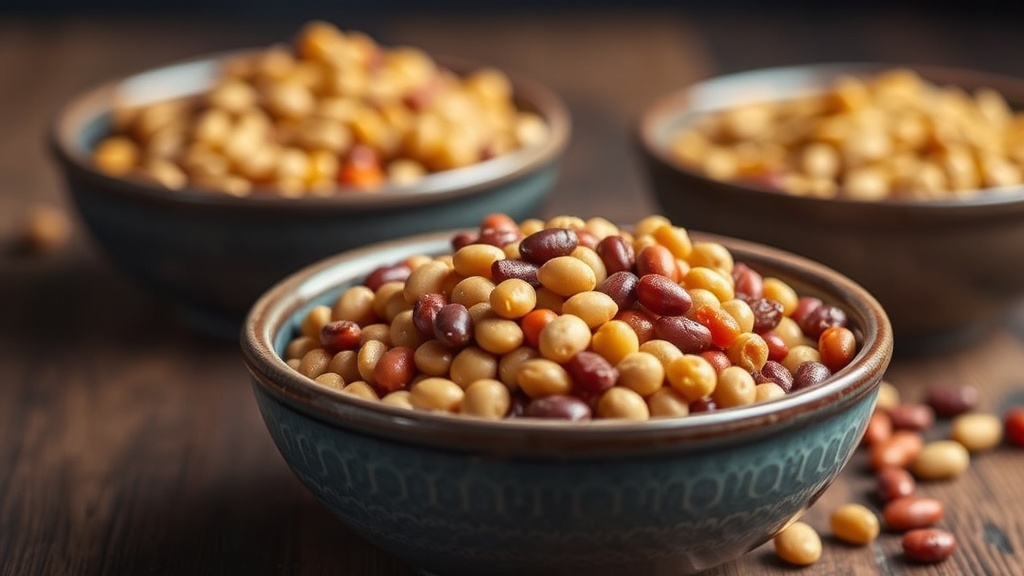
The Ultimate Guide to Mastering Dried Beans and Legumes

The Truth About the "Expensive" Healthy Diet
Let’s get one thing straight right now: the wellness industry wants you to believe that "healthy eating" requires a subscription to a boutique meal kit or a pantry stocked with $18 jars of organic cashew butter. They want you to think that protein is a luxury reserved for people who can afford organic grass-fed beef by the pound. They are lying to you.
As a former social worker, I spent years seeing how food insecurity isn't just about a lack of food; it's about the overwhelming mental load of trying to make sense of nutritional labels while watching your bank account dwindle. I’ve seen the math, and the math says that if you want high-quality protein, complex carbohydrates, and incredible fiber without the "wellness tax," you need to master the art of the dried bean.
Dried legumes are the undisputed heavyweight champions of the budget grocery store. They are shelf-stable, incredibly cheap when bought in bulk, and offer a nutritional profile that puts many "superfoods" to shame. If you haven't mastered them yet, you're leaving money—and health—on the table. This guide is going to teach you how to stop treating beans like an afterthought and start treating them like the versatile, powerhouse ingredient they are.
The Fundamental Differences: Beans vs. Legumes
Technically, "legume" is the broad category that includes everything from peanuts to lentils to chickpeas. "Beans" are a specific type of legume. For the purposes of our kitchen strategy, we are focusing on the heavy hitters: black beans, kidney beans, pinto beans, chickpeas (garbanzo), lentils, and split peas. Each has a different texture, cooking time, and culinary use. Understanding these nuances is the difference between a mushy mess and a perfect meal.
The "Big Three" Categories
- The Slow Cookers (Dried Beans): These include kidney, pinto, black, and navy beans. They require soaking and longer cooking times but offer the most substantial texture for stews and chili.
- The Fast Movers (Lentils and Split Peas): These are much smaller and cook significantly faster. Red lentils will practically disintegrate into a puree, while green or brown lentils hold their shape better for salads.
- The Versatiles (Chickpeas and Cannellini): These are the middle ground. They are sturdy, creamy, and work equally well in a hearty soup or a smashed salad sandwich.
The Prep Work: Why Soaking Actually Matters
I hear it all the time: "I don't have time to soak beans overnight." I get it. Life is fast, and you're tired. But if you want to avoid the bloating and the "heavy" feeling that people often associate with beans, you need to respect the prep.
Soaking isn't just a tradition; it's chemistry. It helps break down complex sugars (oligosaccharides) that our bodies struggle to digest, and it softens the outer skin so the bean cooks evenly. If you want to dive deeper into the nutritional benefits of this process, check out my deep dive on the magic of dried beans as a budget-friendly protein powerhouse.
Three Ways to Soak
- The Overnight Soak (The Gold Standard): Place beans in a large bowl, cover with at least 3 inches of water, and let them sit for 8–12 hours. Drain and rinse before cooking.
- The Quick Soak (The "I Forgot" Method): Bring beans to a boil in a pot, let them boil vigorously for 2 minutes, then remove from heat. Cover and let them sit in the hot water for one hour. This is a lifesaver when you realize at 5:00 PM that you have no cooked protein ready.
- The No-Soak Method (The "I'm Busy" Reality): You can cook beans without soaking, but it will take significantly longer (often 2-3 times the usual time) and may result in a less creamy texture.
Mastering the Cook: Flavor and Texture
The biggest mistake people make with dried beans is boiling them in plain water. If you cook beans in plain water, you are essentially making "flavored water" that lacks depth. To make beans taste like a meal rather than a chore, you need to add aromatics during the cooking process.
The Flavor Toolkit:
- Aromatics: Always toss in a halved onion, a few cloves of smashed garlic, or a stalk of celery while the beans simmer.
- Acid: If your beans taste "flat" once they are cooked, don't just add salt. Add a squeeze of lemon juice or a teaspoon of apple cider vinegar. Acid brightens the earthy notes of the legume.
- The Salt Rule: There is a myth that salt makes beans tough. While adding salt too early in a long simmer can sometimes affect the texture, a little salt is necessary for flavor. I recommend salting when the beans are about 75% cooked to ensure they are seasoned through without compromising the skin.
"Cooking is not about following a recipe; it is about understanding the chemistry of your ingredients. When you learn how to season a pot of beans, you've unlocked a permanent solution to the 'what's for dinner' problem."
Batch Cooking: The Real Secret to Success
If you are waiting until you are hungry to start cooking beans, you have already lost the battle. By the time you've soaked, cooked, and cooled them, you'll be too exhausted to actually eat. This is where the "Philly Grit" comes in: you plan, you prep, and you execute.
I highly recommend a system of batch cooking. Once you have a pot of beans simmering, don't just make one meal. Make three. Cook a large batch of black beans for tacos, a batch of chickpeas for salads, and a batch of lentils for a soup. This integrates perfectly with batch cooking grains to ensure your pantry is always a step ahead of your hunger.
Pro-Tip for Storage: Once your beans have cooled completely, portion them into freezer bags. You can freeze cooked beans in 1-cup or 2-cup increments. This is much more efficient than freezing a giant tub. It also works beautifully alongside a Sunday freezer breakfast reset to ensure your week is set up for success.
Common Pitfalls and How to Avoid Them
Even with the best intentions, things can go wrong. Here are the most common issues I see:
1. The "Hard Bean" Syndrome: If your beans are still crunchy after hours of cooking, it’s usually due to one of two things: hard water or an acidic environment. If your tap water is high in minerals, it can prevent the bean from softening. Additionally, if you add tomatoes or vinegar too early in the cooking process, the acid will prevent the beans from softening. Always cook the beans until they are tender before adding acidic ingredients.
2. The Mush Factor: If you want to use beans in a salad (like a chickpea salad), don't overcook them. You want them "al dente"—tender but still holding their shape. If you are making a mash or a dip, cook them until they are very soft and easy to crush with a fork.
3. The Bloat: If you find that beans cause significant digestive discomfort, try incorporating more ginger or cumin into your cooking process, and ensure you are rinsing your dried beans thoroughly before and after the soak. Moving toward a high-fiber diet should be gradual; don't go from zero to 40 grams of fiber overnight.
A Note on Seasonal Eating and Budgeting
As we move through the seasons, our nutritional needs shift. While beans provide a constant foundation, pairing them with seasonal produce is key. For example, as spring arrives, you might want to pair your lentils with bright, fresh greens. While you're navigating the seasonal changes, remember that keeping your home healthy extends to your environment too—I often share tips on spring allergy-proofing your home to keep your wellness holistic.
Even during holidays or special seasons, don't let the "festive" price tags intimidate you. Whether you're looking for budget-friendly traditions for Easter or just trying to make a decent Sunday dinner, the bean remains your most reliable ally. It doesn't care about trends, and it doesn't care about your "aesthetic." It just provides the fuel you need to keep going.
Final Thoughts
Mastering dried legumes is a fundamental life skill. It is a way to reclaim your agency over your health and your wallet. It requires a little more time upfront, but the ROI (Return on Investment) is massive. You get better nutrition, better flavor, and a much lower grocery bill.
Stop buying the canned stuff when you can do it better and cheaper at home. Grab a bag of dried beans, a pot, and some spices, and get to work. You've got this.