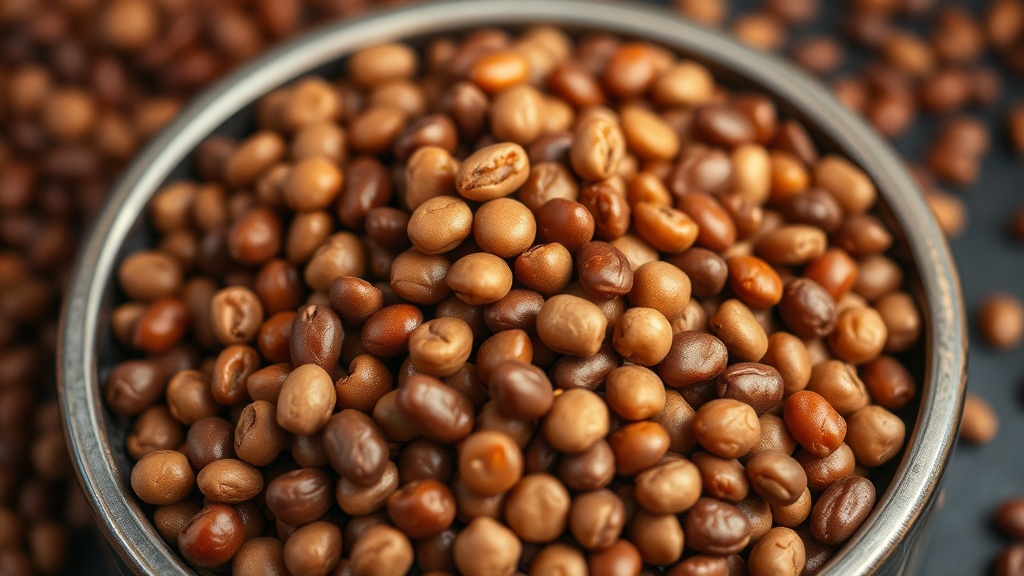
Why You Should Buy Dried Beans Instead of Canned

Buying a single 16-ounce can of chickpeas at a standard grocery store like ShopRite or Giant will often cost you between $1.25 and $1.75. If you buy a 2-pound bag of dried chickpeas, that same amount of food costs roughly $0.60 to $0.80. That isn't just a small difference; it is a 50% to 60% reduction in cost per ounce. This post explains why switching from canned to dried beans is the single most effective way to slash your grocery bill while simultaneously improving the nutritional quality of your meals.
The Math of the Pantry
When you buy canned beans, you are paying a "convenience tax" for three things: the metal can, the processing, and the liquid inside. Most of that liquid is a salty brine or a thickener designed to keep the beans shelf-stable. When you buy dried beans, you are buying a raw commodity. You are paying for the nutrient, not the packaging.
Let’s look at the actual math. A standard can of black beans is 15 ounces, but once you drain it, you are left with roughly 8 to 9 ounces of actual beans. A 24-ounce bag of dried black beans will yield approximately 60 to 70 ounces of cooked beans once hydrated and boiled. If a can costs $1.50, you are paying about $0.17 per ounce of cooked food. If a bag of dried beans costs $2.00, you are paying roughly $0.03 per ounce. Over a year, if beans are a staple in your diet, this shift can save a household hundreds of dollars.
This isn't just about being "cheap." It is about maximizing the value of every dollar you spend at the checkout counter. If you are already looking for ways to stretch your food budget, you might also want to check out my guide on nutritious pantry staples that cost less than $2 to see how many other high-yield items you can swap into your cart.
Texture, Taste, and Sodium Control
Beyond the math, there is a massive quality gap between canned and dried beans. Canned beans are often overcooked during the sterilization process to ensure they are safe to eat straight from the can. This results in a mushy, grainy texture that makes them difficult to use in salads or as a structural component of a dish like a hearty chili. Dried beans, when cooked properly, have a creamy interior and a firm skin that holds up to various cooking methods.
The second major advantage is sodium control. Canned beans are notorious for high sodium content. Even "low sodium" versions can contain significant amounts of salt to preserve flavor. For anyone managing blood pressure or trying to reduce systemic inflammation, this is a hidden danger. When you cook your own beans, you control the seasoning. You can use aromatics like garlic, onion, or bay leaves to build flavor without adding a single milligram of unnecessary salt. You decide exactly how much salt goes into the pot, ensuring your meals align with your health goals rather than the manufacturer's requirements.
The Practicality of Preparation
The biggest argument against dried beans is "time." It is true that a can is ready in seconds, while dried beans require a soaking and a longer simmer. However, if you manage your kitchen with a bit of foresight, this becomes a non-issue. There are two primary ways to handle this: the overnight soak and the quick soak method.
The Overnight Soak
This is the traditional method. Before you go to bed, place your dried beans in a large bowl and cover them with at least three inches of water. By morning, the beans will have doubled in size. Drain the soaking water—this helps reduce the oligosaccharides (the sugars that cause gas and bloating)—and cook them in fresh water. This method is best for larger, tougher beans like kidney beans or chickpeas.
The Quick Soak Method
If you forgot to prep your beans and you need them for dinner tonight, use the quick soak. Place the beans in a pot, cover with water, and bring to a rolling boil for two minutes. Remove the pot from the heat, cover it with a lid, and let it sit for one hour. After an hour, drain the water and proceed with your regular cooking instructions. This cuts the preparation time significantly while still providing the benefits of a pre-soak.
The "Cook Once, Eat Twice" Strategy
To make dried beans truly convenient, do not cook just one cup at a time. Once a week, cook a large batch—perhaps a full pound of beans—in a large pot or a slow cooker. Once they are cooked and cooled, portion them into containers. You can keep them in the fridge for up to five days, or freeze them in airtight bags for months. Having a container of pre-cooked beans in the fridge means you can make a bean salad or a quick soup in minutes, effectively giving you the speed of "canned" with the quality of "homemade."
Which Beans Should You Buy?
Not all beans are created equal, and your choice should depend on what you are making. Here is a quick cheat sheet for your next grocery trip:
- Black Beans: Great for tacos, burrito bowls, or adding texture to a soup. They cook relatively quickly.
- Chickpeas (Garbanzo Beans): Essential for homemade hummus or roasted snacks. They require a longer soak to get that perfect creamy texture.
- Cannellini or Navy Beans: These are creamy and mild, making them perfect for Italian-style soups or white bean stews.
- Kidney Beans: These are the heavy hitters for chili. They have a thick skin that holds up well to long, slow simmering.
- Lentils: While technically a legume, lentils are a "cheat code" for budget cooking because they do not require soaking. Red lentils cook in 15-20 minutes and are perfect for thickening stews or making dal.
Avoiding the Pitfalls
While dried beans are a powerhouse, there are a few things to watch out for to ensure you are getting the most out of your investment. First, check the quality of your dried beans. If you see small pebbles or debris in the bag, you will need to sort through them by hand before soaking. This is common with cheaper bulk bags, but a quick handful-sorting will save you from a broken tooth.
Second, pay attention to your cooking water. Many people use the water the beans boiled in for their recipes. While this adds flavor, if you are sensitive to gas or bloating, it is better to drain the cooking liquid and use a homemade stock or water seasoned with spices. Since you are already saving money on the beans, I highly recommend learning how to make your own vegetable broth to use as your cooking liquid. This adds depth of flavor without the high cost and sodium of store-bought boxed broth.
The Bottom Line
Transitioning from canned to dried beans is a fundamental shift in how you view your pantry. It moves you away from being a passive consumer of processed convenience and toward being an active, smart shopper. You are trading a few minutes of time and a small amount of planning for a massive increase in both nutritional control and financial savings. In a world that tries to sell you "fast" as a necessity, remember that the most cost-effective and healthy way to eat is often the way that requires a little bit of patience and a lot of common sense.