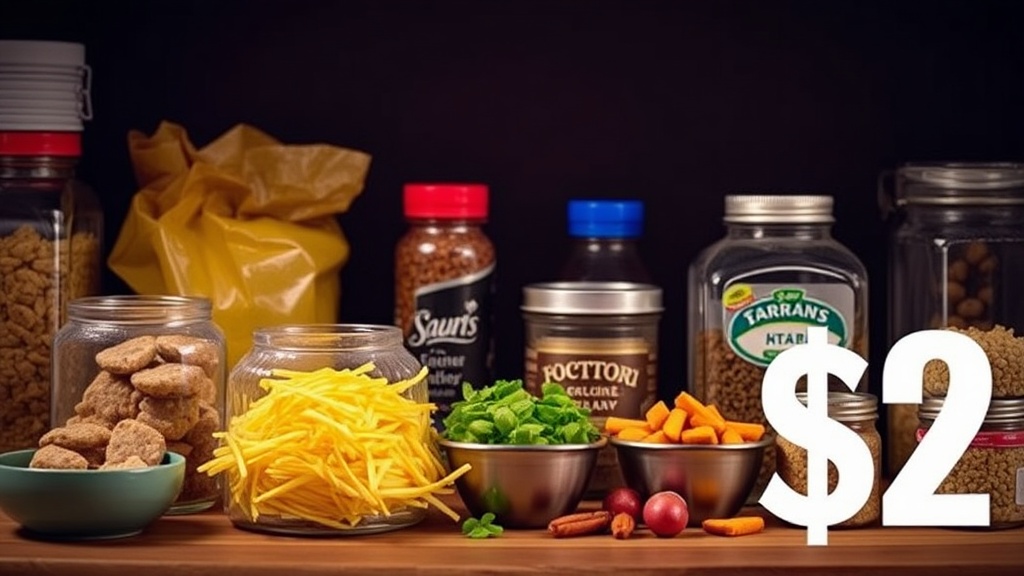
10 Nutritious Pantry Staples That Cost Less Than $2

Dried Lentils: The Protein Powerhouse
Rolled Oats: Fiber-Rich Breakfast Base
Canned Black Beans: Versatile Legume Staple
Brown Rice: Whole Grain Energy Source
Canned Tomatoes: Lycopene-Rich Cooking Essential
Building a Nutrition-Packed Pantry Without Breaking the Bank
This post identifies ten shelf-stable ingredients that deliver significant nutritional value for under two dollars per unit. Each item offers measurable protein, fiber, vitamins, or minerals that support a balanced diet. The selections focus on maximizing cost-per-nutrient density while maintaining practical versatility for everyday cooking. Whether managing SNAP benefits, cooking for a family, or simply reducing grocery expenses, these staples provide the foundation for affordable, health-supporting meals without the premium price tags attached to trendy "superfoods."
1. Brown Rice (32-ounce bag)
Average cost: $1.68 to $1.89
A 32-ounce bag of store-brand brown rice typically yields approximately 10 cups of cooked rice. Each cooked cup delivers 5 grams of protein, 3.5 grams of fiber, and significant amounts of manganese and selenium. The price per serving breaks down to roughly $0.17 per cup.
Brown rice maintains the bran and germ layers that white rice processing removes, preserving nutrients that support sustained energy and digestive health. The glycemic index of brown rice sits around 68, compared to white rice at 73, meaning more stable blood sugar response.
How to use it: Batch cook 4 cups at the start of the week. Use as a base for stir-fries, mix with black beans for complete protein, or combine with milk and cinnamon for a breakfast porridge.
2. Dried Lentils (16-ounce bag)
Average cost: $1.29 to $1.49
Lentils deliver 18 grams of protein and 16 grams of fiber per cooked cup, with zero fat and no sodium when prepared from dried. A 16-ounce bag produces approximately 6.5 cups of cooked lentils, bringing the cost per protein-rich serving to about $0.22.
Unlike dried beans, lentils require no soaking and cook in 20-25 minutes. They provide 37% of the daily recommended iron per cup, along with folate, magnesium, and potassium. The combination of protein and fiber creates lasting satiety that reduces between-meal snacking.
How to use it: Simmer with canned tomatoes and spices for a 30-minute dal. Blend cooked lentils into ground meat dishes to extend volume while adding fiber. Toss chilled lentils with vinaigrette for a protein-packed salad topping.
3. Rolled Oats (42-ounce canister)
Average cost: $1.98 to $2.00
A 42-ounce container produces roughly 30 half-cup servings of cooked oats. Each serving contains 5 grams of protein, 4 grams of fiber, and beta-glucan—a soluble fiber proven to reduce LDL cholesterol levels by 5-10% when consumed daily.
Oats register at 55 on the glycemic index, qualifying as a low-glycemic carbohydrate source. The resistant starch content feeds beneficial gut bacteria, supporting digestive health and immune function.
How to use it: Prepare overnight oats with water and peanut butter for a no-cook breakfast. Blend dry oats into flour for muffins and pancakes. Toast oats with spices for a savory base instead of rice or pasta.
4. Canned Black Beans (15-ounce can)
Average cost: $0.89 to $1.25
One can of black beans, drained and rinsed, provides approximately 3.5 cups of beans containing 15 grams of protein and 15 grams of fiber per cup. The cost per cup ranges from $0.25 to $0.36, depending on brand selection.
Black beans contain anthocyanins—the same antioxidant compounds found in blueberries—giving them their dark color. A single cup delivers 20% of daily iron needs and 13% of calcium, along with resistant starch that feeds beneficial gut bacteria.
How to use it: Mash with cumin and garlic for homemade refried beans. Add to scrambled eggs with salsa for a protein-rich breakfast. Blend into brownies to replace half the flour while adding moisture and nutrients.
5. Peanut Butter (16-ounce jar)
Average cost: $1.79 to $1.98
Natural peanut butter (ingredients: peanuts, salt) delivers 7 grams of protein and 2 grams of fiber per 2-tablespoon serving. A 16-ounce jar contains approximately 14 servings, breaking down to $0.13 to $0.14 per serving.
Peanut butter provides monounsaturated fats similar to olive oil at a fraction of the cost. Two tablespoons contain 16% of daily niacin needs, supporting energy metabolism and cellular function. The fat and protein combination promotes satiety longer than carbohydrate-heavy spreads.
How to use it: Stir into oatmeal with sliced banana. Blend with soy sauce, lime, and garlic for a quick peanut sauce. Spread on whole grain bread with apple slices for a balanced snack.
6. Canned Diced Tomatoes (28-ounce can)
Average cost: $0.99 to $1.49
One large can of diced tomatoes contains approximately 3.5 cups and delivers 25 calories per cup with significant vitamin C, potassium, and lycopene. Cooked tomatoes provide more bioavailable lycopene than raw, with research linking this antioxidant to reduced risk of heart disease and certain cancers.
The acidity in canned tomatoes acts as a natural preservative, maintaining nutrient content for years on the shelf. Each cup contains 2 grams of fiber and compounds that support bone health by reducing oxidative stress on bone tissue.
How to use it: Simmer with lentils and spices for a protein-rich curry. Blend with sautéed onions and garlic for a 5-minute pasta sauce. Add to scrambled eggs with spinach for a nutrient-dense breakfast.
7. Dried Split Peas (16-ounce bag)
Average cost: $1.19 to $1.39
Split peas provide 16 grams of protein and 16 grams of fiber per cooked cup. A 16-ounce bag yields approximately 6 cups of cooked peas, bringing the cost per serving to $0.20 to $0.23.
Split peas contain resistant starch that ferments in the colon, producing short-chain fatty acids that nourish colon cells and reduce inflammation. Unlike whole peas, split peas cook without soaking in 45-60 minutes and break down naturally into a creamy consistency.
How to use it: Simmer with carrots, celery, and onion for classic split pea soup. Cook with turmeric and ginger for an anti-inflammatory dal. Blend cooked split peas into vegetable burgers as a binding agent.
8. Canned Tuna in Water (5-ounce can)
Average cost: $0.89 to $1.29
One can of water-packed tuna delivers 20 grams of complete protein and significant omega-3 fatty acids EPA and DHA for approximately 100 calories. Light tuna contains less mercury than albacore, making it suitable for more frequent consumption.
The protein density makes tuna one of the most cost-effective animal protein sources available. A single can provides 80% of daily selenium needs, a mineral critical for thyroid function and antioxidant defense systems.
How to use it: Mix with mashed chickpeas and lemon juice instead of mayonnaise. Stir into cooked pasta with canned tomatoes and garlic. Combine with white beans and olive oil for a protein-rich salad.
9. Eggs (one dozen)
Average cost: $1.79 to $1.99
One large egg contains 6 grams of complete protein, 5 grams of fat, and significant choline—a nutrient essential for brain function that most Americans under-consume. At approximately $0.16 per egg, few foods match the nutrient density per dollar.
Egg yolks contain lutein and zeaxanthin, antioxidants that accumulate in the retina and reduce age-related eye disease risk. Research consistently shows that dietary cholesterol from eggs has minimal impact on blood cholesterol levels for most people.
How to use it: Fry and serve over rice and beans for a complete meal. Hard-boil a dozen for portable protein snacks throughout the week. Whisk with vegetables and bake into muffin-tin frittatas for grab-and-go breakfasts.
10. Whole Wheat Pasta (16-ounce box)
Average cost: $1.29 to $1.69
Whole wheat pasta provides 7 grams of protein and 6 grams of fiber per cooked cup, compared to 2 grams of fiber in refined pasta. A 16-ounce box yields approximately 8 cups of cooked pasta, breaking down to $0.16 to $0.21 per serving.
The fiber content slows digestion and stabilizes blood sugar response compared to white pasta. Whole wheat pasta contains B vitamins, iron, and magnesium that processing strips from refined versions. The nutty flavor pairs particularly well with robust sauces.
How to use it: Toss with canned tomatoes, garlic, and tuna for a pantry-only meal. Combine with lentils and vegetables for a fiber-heavy pasta e fagioli. Use as a base for peanut sauce noodles with frozen vegetables.
Putting It All Together: Sample Meal Plan
Using only the staples listed above, a nutritionally complete day might look like:
- Breakfast: Oatmeal with peanut butter and banana slices—cost: $0.45
- Lunch: Tuna and white bean salad over brown rice—cost: $0.78
- Dinner: Lentil and tomato curry over whole wheat pasta—cost: $0.82
- Snack: Hard-boiled egg with seasoning—cost: $0.16
Total daily cost: $2.21
Shopping Strategy for Maximum Savings
Store-brand products typically cost 25-30% less than name brands while maintaining identical nutritional profiles. Check unit pricing on shelf tags—the larger bag of rice or lentils usually costs less per ounce than smaller packages.
Ethnic grocery stores often stock rice, lentils, and spices at significantly lower prices than conventional supermarkets. A 20-pound bag of jasmine rice at an Asian market might cost $0.60 per pound versus $1.20 at a standard grocery store.
Canned goods last 2-5 years when stored properly. Stocking up during sales—buying 10 cans of tomatoes when priced at $0.69 instead of $1.29—reduces average costs without creating waste.
Nutritional Impact Beyond the Price Tag
These ten staples collectively provide complete protein when combined strategically (rice and beans, lentils and whole grains), more than 100% of daily fiber needs, significant iron, B vitamins, and healthy fats. The fiber content alone—averaging 10-16 grams per serving across these items—supports digestive health, cholesterol management, and blood sugar regulation.
No single food provides every necessary nutrient, but this combination covers the nutritional bases that expensive processed foods often miss. The protein density supports muscle maintenance, the complex carbohydrates provide sustained energy, and the minimal processing means no added sugars, excess sodium, or artificial ingredients.
"The math doesn't lie: a cup of lentils costs a quarter and delivers more protein than a $4 protein bar. Smart nutrition isn't about following trends—it's about understanding cost-per-nutrient and building meals that satisfy both body and budget."
Building a nutritious pantry doesn't require premium prices or specialty stores. These ten staples prove that eating well on a budget isn't about deprivation—it's about knowing which ingredients deliver maximum nutritional return on investment.