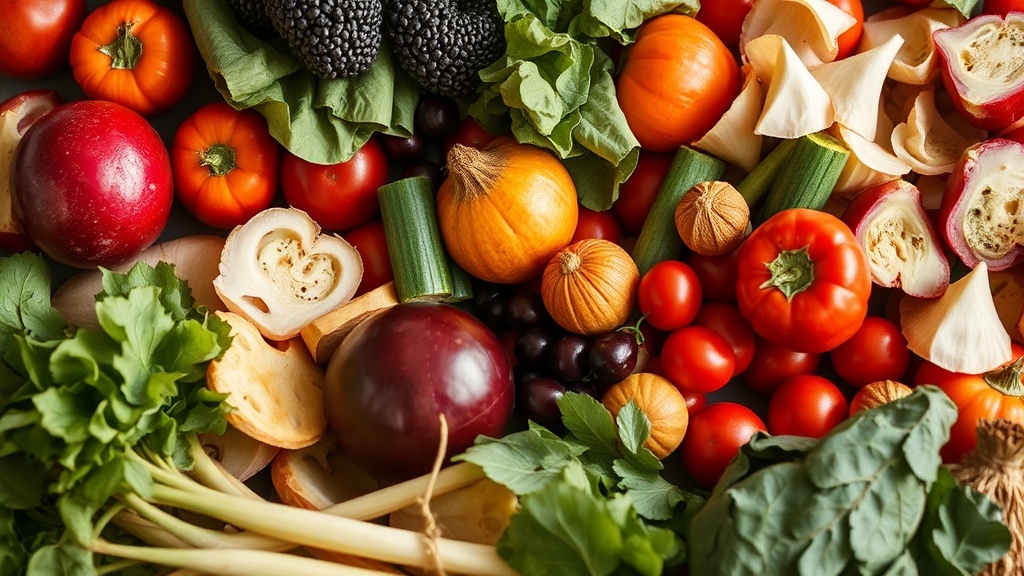
Flavorful Thrift: Unlocking the Potential of Seasonal Produce Scraps

You will learn how to identify, preserve, and transform common vegetable scraps into high-value ingredients that reduce your grocery bill and eliminate food waste. This guide covers specific techniques for turning peels, stems, and ends into stocks, powders, and fermented additions.
The Economics of the Scrap: Why Your Trash is Actually Capital
Most people view the ends of a carrot or the skins of a potato as waste, but from a budget perspective, you are essentially throwing away pre-paid nutrients. When you buy a five-pound bag of organic carrots at a store like Trader Joe's or ALDI, you are paying for the entire vegetable, including the parts you usually discard. By utilizing the parts often relegated to the compost bin, you are increasing the "yield per dollar" of every grocery trip.
The math is simple: if you utilize 90% of a product instead of 70%, you have effectively lowered the unit price of that ingredient by nearly 25%. This isn't about being "frugal" in a way that feels restrictive; it is about tactical resource management. We are moving away from the consumerist mindset that says a "perfect" meal requires pristine, whole vegetables, and moving toward a kitchen strategy that values total utility.
Identifying High-Value Scraps
Not all scraps are created equal. To maximize your return on investment, you need to categorize your "waste" by its flavor profile and structural integrity. Some scraps provide deep, savory umami, while others offer brightness or texture. Identifying these early allows you to plan your pantry additions more effectively.
- The Umami Builders: Onion skins (especially red onion), mushroom stems, tomato ends, and garlic skins. These are heavy hitters for depth in liquids.
- The Texture Additives: Broccoli stalks, cauliflower cores, and kale stems. These are structurally sound and can be sliced thin or diced for crunch.
- The Brighteners: Lemon zest (the peel itself), herb stems (parsley, cilantro), and citrus pith. These provide acidity and aromatics.
- The Color Agents: Beet skins, red cabbage outer leaves, and carrot peels. These can tint oils or stocks with vibrant hues.
Technique 1: The Deep Flavor Extraction (Stocks and Reductions)
The most common way to use scraps is through liquid extraction. However, the mistake most people make is throwing random scraps into a pot without a plan, resulting in a muddy, indistinct flavor. To do this right, you need a system.
Start by keeping a "Stock Bag" in your freezer. This is a gallon-sized freezer bag where you collect clean, unused vegetable ends. Once the bag is full, you have enough mass to create a significant volume of liquid. For a professional-grade result, follow the 2:1 ratio: two parts aromatic vegetables (onions, carrots, celery) to one part "flavor enhancers" (mushroom stems, herb stems, or even dried seaweed).
The Method:
- Roast for Depth: If you have time, toss your onion skins and carrot ends in a bit of olive oil and roast them at 400°F for 20 minutes before adding them to water. This caramelization (the Maillard reaction) creates a much darker, richer broth than boiling alone.
- Simmer Low and Slow: Once in the pot, bring to a boil, then immediately drop to a low simmer. High heat breaks down the cellular structure too quickly, leading to a cloudy, bitter liquid. Simmer for at least 45 minutes for vegetable-only stocks, or up to 4 hours if you are incorporating bones.
- Strain and Freeze: Use a fine-mesh sieve or a piece of cheesecloth to ensure no grit remains. Pour the liquid into ice cube trays. These "flavor bombs" can be dropped directly into a pan when sautéing grains or making a quick pan sauce.
If you want to take this a step further, you can learn more about transforming leftover scraps into flavorful homemade vegetable broth to ensure you aren't just making liquid, but building a foundational pantry staple.
Technique 2: Dehydration and Powdering for Seasoning
If you find yourself with an abundance of scraps that you can't use in a liquid format, dehydration is your best friend. This is particularly useful for herbs and citrus. Instead of buying expensive, pre-packaged spice blends, you can manufacture your own from what is essentially "trash."
The Herb Stem Method:
Don't toss the stems of parsley, cilantro, or dill. These stems actually contain more concentrated flavor than the leaves, though they are tougher. Finely mince the stems, spread them on a baking sheet, and place them in an oven at the lowest possible setting (usually around 170°F) for 2-3 hours. Once completely brittle, pulse them in a spice grinder or a clean coffee grinder with a bit of sea salt. You now have a "Green Seasoning Salt" that is perfect for seasoning roasted potatoes or mixing into butter.
The Citrus Peel Method:
When you zest a lemon or lime, the peel is often left behind. Rather than discarding it, dry the peels in the oven or a dehydrator until they are hard. Grind them into a fine powder. This "citrus dust" is a powerhouse. A teaspoon of lemon peel powder can brighten a heavy lentil stew or a creamy pasta dish without the moisture of fresh juice, which can sometimes throw off a recipe's consistency.
Technique 3: Fermentation and Brining
Fermentation is the ultimate way to preserve the structural integrity of vegetable scraps while adding probiotic benefits. This is where you move from "saving food" to "creating gourmet ingredients."
The "Scrap Brine" Strategy:
If you have leftover cabbage leaves or even the outer leaves of a cauliflower, these can be used in a basic lacto-fermentation process. You aren't just making a side dish; you are creating a way to preserve the essence of the vegetable. For example, a salty, acidic cabbage brine can be used to flavor grains or even as a base for a quick vinaigrette.
For those looking to get deeper into the science of preserving, exploring fermentation at home to turn basic veggies into probiotic gold will provide the foundational knowledge needed to ensure your ferments are safe and successful.
Practical Application: The "Scrap-First" Meal Planning
To truly change your budget, you have to change how you shop and how you think about a recipe. Instead of looking at a recipe and buying everything on the list, look at your "Stock Bag" and your "Scrap Jar" first. This is "Reverse Engineering" your meals.
Example Scenario:
You notice you have a large amount of broccoli stalks and some leftover onion skins in the freezer. Instead of buying a new vegetable-heavy dish, you decide to make a "Kitchen Sink" Grain Bowl. You slice the broccoli stalks into thin matchsticks (julienne) and sauté them with garlic for texture. You use your homemade onion-skin-infused broth to cook a batch of quinoa or farro. The result is a nutrient-dense, high-fiber meal that cost you almost nothing in additional grocery spending.
The Weekly Audit:
Every Sunday, perform a "Scrap Audit." Look at what is in your fridge that is nearing its end-of-life. A wilted carrot? Peel it and add to the stock bag. A bruised bell pepper? Dice the core and the seeds (if organic) to add to a sauté. This audit prevents the "emergency grocery run" where you buy expensive, pre-cut vegetables because you didn't utilize what you already had.
A Note on Safety and Quality Control
While we are maximizing utility, we are not compromising on safety. There are three hard rules for using scraps:
- Avoid the "Rot" Rule: There is a massive difference between a "tough" stem and a "rotting" vegetable. If you see mold, slime, or smell a sour/off odor, discard it immediately. Scraps must be harvested at the peak of freshness to be used effectively.
- Wash Thoroughly: Since you are using parts of the vegetable that are closer to the soil (like peels and roots), you must wash them rigorously. If you are using conventional produce, consider a vinegar soak to remove any pesticide residue from the skins.
- Storage Integrity: If you are collecting scraps for a stock, do not let them sit in a moist environment at room temperature. This leads to bacterial growth. Use a sealed container or a freezer bag to keep the scraps dry and cold until they are ready for the pot.
Using every part of the vegetable is not just a way to save a few cents; it is a way to respect the work that went into growing the food and the money you worked hard to earn. It is a shift from being a passive consumer to an active, skilled kitchen manager.