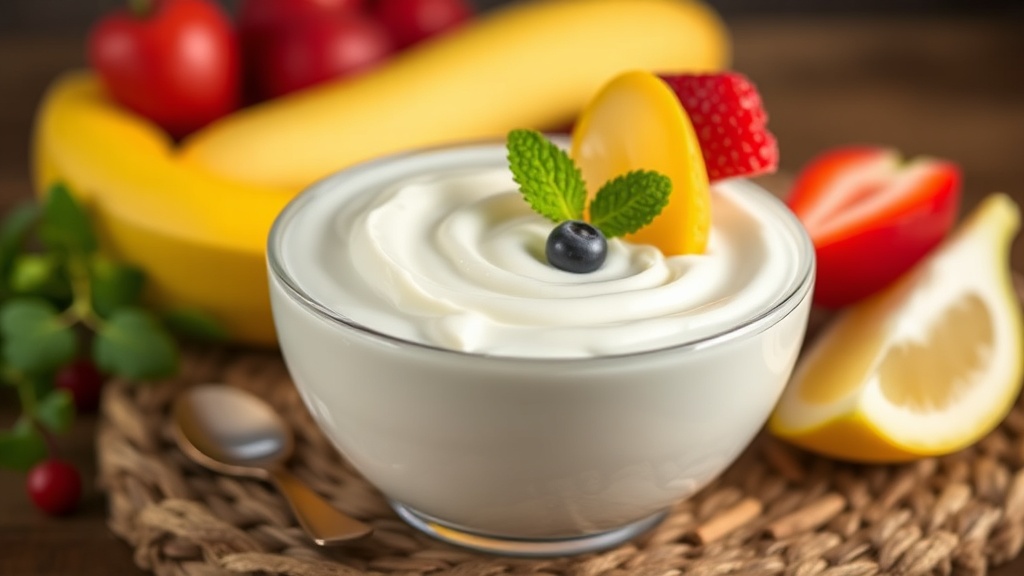
Ditch the Expensive Yogurt and Make Your Own at Home

A single 32-ounce tub of high-end Greek yogurt can cost upwards of $6.00, meaning you're paying a massive premium for what is essentially milk and bacteria. This post breaks down the math of homemade yogurt, the minimal equipment you actually need, and how to control your own sugar and texture without the retail markup. We're moving past the marketing fluff to look at the actual cost per ounce.
How Much Does Homemade Yogurt Actually Cost?
Making your own yogurt costs roughly $0.50 to $div class="price-per-serving" to $1.00 per serving depending on the milk you choose. When you buy a premium brand like Fage or Chobani, you aren't just paying for the protein; you're paying for their branding, their packaging, and their shipping logistics. By using a standard gallon of whole milk from a store like Walmart or Target, you strip those costs away.
Let's look at the hard numbers. If a gallon of whole milk is $4.00, that gallon produces about 128 ounces of liquid. Even if you lose a little volume during the straining process to make it "Greek style," your cost per ounce remains a fraction of the store-bought version. It's basic math—not magic. You are essentially buying raw materials and using heat to transform them.
| Product Type | Average Store Price (per 32oz) | Estimated Cost per Ounce |
|---|---|---|
| Premium Greek Yogurt | $6.50 | $0.20 |
| Store Brand Yogurt | $4.00 | $0.12 |
| Homemade Yogurt | ~$1.50 (per 32oz equivalent) | $0.04 |
That's a massive difference in your monthly grocery budget. If you eat yogurt every morning, that's money that stays in your pocket instead of going to a marketing department.
What Equipment Do I Need to Make Yogurt?
You only need a heavy-bottomed pot, a thermometer, and a way to keep things warm. You don't need a fancy $200 yogurt maker or a specialized machine to get results. If you have a kitchen, you're already halfway there.
Most people think they need a high-tech setup, but that's just another way to spend money you don't have to. Here is the reality of what works:
- A Large Pot: Any stainless steel or heavy-bottomed pot will work for heating the milk.
- A Digital Thermometer: This is non-negotiable. You need to hit specific temperatures to ensure the bacteria thrive and the milk doesn't scald.
- An Incubator: You can use an oven with the light on (the "warm oven" method), a slow cooker on the "warm" setting, or even a thermos.
- Cheesecloth: If you want thick, Greek-style yogurt, you'll need this to strain the whey.
If you're worried about the texture, don't be. If you want to save even more, you can buy your milk and grains in bulk to drive that cost even lower. It's about working the system, not fighting it.
How Do You Make Yogurt at Home?
The process involves heating milk to kill off rogue bacteria, cooling it down, and then adding a "starter" culture. It's a controlled fermentation process that requires patience rather than expensive tools.
First, you heat your milk (whole milk provides the best texture, but 2% works too) to about 180°F (82°C). This is a vital step—it denatures the whey proteins so the yogurt thickens properly. If you skip this, you'll end up with a runny-looking mess. Once it hits the temperature, let it cool down to about 110°F. If you add your starter while the milk is too hot, you'll literally kill the bacteria. That would be a waste of good milk.
Now, add your starter. You can use a tablespoon of a plain, unflavored yogurt with "live active cultures" (like a plain Greek yogurt) or buy a dedicated yogurt starter culture. Stir it in gently. Once the starter is incorporated, you need to keep that temperature stable for about 6 to 12 hours. This is where people get stuck. They think they need a machine, but a simple oven with the light on is often the perfect incubation chamber.
- Heat: Bring milk to 180°F.
- Cool: Let it drop to 110°F.
- Inoculate: Stir in your starter culture.
- Incubate: Keep warm (100°F-110°F) for 8-12 hours.
- Chill: Refrigerate immediately to set the texture.
If you want it extra thick, like the stuff in the expensive plastic tubs, strain it through a cheesecloth over a bowl in the fridge for a few hours. This removes the liquid whey and leaves you with a thick, creamy consistency. It's basically homemade cottage cheese or Greek yogurt, depending on how long you let it sit.
Why Does the Texture Matter?
Texture is usually where people fail with homemade versions. If it's too thin, you either didn't heat the milk enough or you didn't strain the whey long enough. It's not a failure—it's just a data point. Next time, heat it a bit longer or strain it for an extra hour. It's not a mystery; it's just physics.
The beauty of making it yourself is that you control the additives. Most store-bought fruit yogurts are loaded with high-fructose corn syrup or artificial sweeteners to hide the fact that the "fruit" is actually just a flavored syrup. When you make your own, you can add real fruit or a tiny bit of honey. Speaking of flavor, if you're tired of buying expensive flavored versions, you should make your own dressings and toppings to keep the budget tight.
Don't let the "wellness" industry convince you that you need a $15 jar of artisanal, organic, probiotic-infused yogurt to be healthy. You just need milk, a bit of heat, and some time. That's it. It's a skill, not a luxury. Once you master the temperature control, you'll never look at those overpriced grocery store tubs the same way again. You'll see them for what they are: a convenience tax you no longer have to pay.