Stop Overpaying for Grains: The Reality of Buying Bulk vs. Grocery Store Aisles

You'll learn exactly how to identify high-quality grains without the brand-name markup and how much you actually save by shifting your shopping habits.
The wellness industry wants you to believe that a bag of organic, non-GMO quinoa is a luxury item, but that's just a marketing tactic to inflate the price per pound. In reality, the difference between a "superfood" and a standard grain is often just a label and a much higher price tag. We're looking at the math behind your pantry staples—specifically rice, oats, quinoa, and farro—to see where you're getting fleeced and how to buy smart.
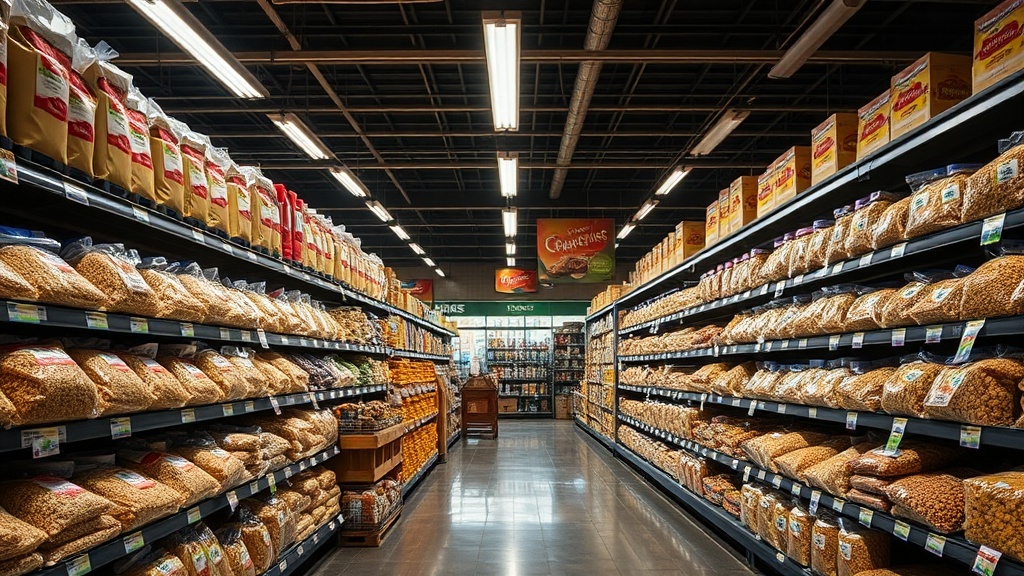
Most people walk into a standard grocery store and grab the first bag of brown rice or oats they see. That's a mistake. When you buy the small, 16-ounce bags in the regular aisles, you're paying a massive premium for the packaging and the convenience of a smaller size. If you do the math, that "convenience" can cost you up to 300% more than buying the same product in a larger format or at a bulk retailer. It's not about being fancy; it's about not letting a single bag of grain eat your grocery budget.
Can I buy organic grains on a budget?
The short answer is yes, but you have to change where you look. If you're buying organic oats in a standard box at a high-end supermarket, you're paying for the brand's marketing budget. Instead, look for bulk bins at local cooperatives or even certain discount wholesalers. When you buy from a bin, you're paying for the weight of the product, not the marketing of the box. For more information on the nutritional differences in grain types, the Healthline database provides great breakdowns of macronutrients without the hype.
Let's look at a quick comparison of what a typical grocery trip looks like versus a strategic bulk trip. I've done the math on a few staples to show you the real-world impact on your wallet:
| Grain Type | Standard Grocery Price (per lb) | Bulk/Bulk Bin Price (per lb) | Savings % |
|---|---|---|---|
| Brown Rice | $1.20 | $0.45 | 62% |
| Old Fashioned Oats | $0.85 | $0.30 | 64% |
| Quinoa | $4.50 | $2.10 | 53% |
| Farro | $3.25 | $1.90 | 41% |
As you can see, the gap is massive. That isn't just a few cents; that's enough to buy a whole other bag of produce or a dozen eggs. This is where the "math over marketing" rule comes into play. If you're staring at a shelf, look at the price per ounce or per pound, not the total price. The total price is a lie designed to make you think a $3.99 bag is a deal compared to a $5.00 bag, even if the $5.00 bag is twice as large.
How do I store grains to prevent spoilage?
One of the biggest fears people have with buying in bulk is that the food will go bad before they use it. If you buy a five-pound bag of rice, you might worry about pests or rancidity. Here is the reality: if you store your grains properly, they'll last much longer than the "best by" date suggests. Keep your dry grains in airtight glass or high-quality plastic containers. For long-term storage, keep them in a cool, dark place—not the pantry if your kitchen gets hot while cooking. If you're buying large quantities of much more expensive grains like farro or certain varieties of quinoa, keeping them in the refrigerator can extend their shelf life significantly.
For those who want to be even more precise, the USDA food storage guidelines are a reliable source for understanding how temperature and moisture affect shelf life. Don't let the fear of spoilage keep you trapped in the expensive, small-bag cycle. A single airtight container is your best friend here.
Is it worth buying grains in bulk for a small family?
People often tell me, "I'll buy bulk when I have a bigger family," or "I'll buy bulk when I have more space." That's a trap. You don't need a massive pantry to benefit from bulk buying. Even if you're just one person, buying a larger bag of oats or rice is a smart move because these are non-perishable staples. You aren't buying a "luxury" item; you're buying a foundation. A bag of oats won't expire in a week, and it's much more efficient to buy what you actually eat in larger quantities than to constantly buy small, expensive portions.
Think about your weekly rotation. If you eat oatmeal every single morning, you are a prime candidate for bulk buying. If you only eat quinoa once a month, maybe don't buy a massive bag, but still look for the bulk bin option rather than the branded box. The goal is to match the quantity you buy to the frequency of your consumption, while always prioritizing the lowest cost per pound. It's about being intentional, not just being cheap. There's a big difference between being cheap and being smart with your resources. One is about deprivation; the other is about efficiency.
Stop letting the shiny packaging convince you that you need a specific brand to be healthy. A grain is a grain, and the nutrients inside don't change just because the box has a leaf on it. Use the math, check the unit price, and keep your money in your pocket where it belongs. Your bank account will thank you more than any "superfood" ever could.