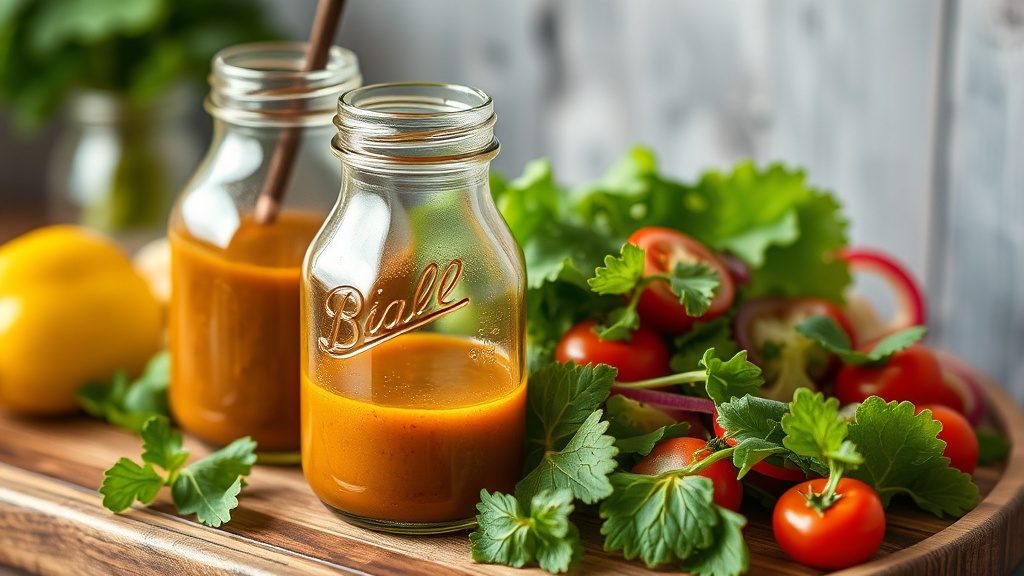
6 Ways to Make Your Own Salad Dressings for Pennies

The Classic Balsamic Vinaigrette
Lemon and Garlic Herb Dressing
Creamy Tahini Dressing
Honey Mustard Vinaigrette
Apple Cider Vinegar and Maple Dressing
Simple Greek Yogurt Ranch
You will learn how to create six different types of salad dressings using basic pantry staples to save significant money on your weekly grocery bill. Making your own dressing eliminates the hidden costs of high-quality oils, excessive sodium, and cheap fillers found in store-bought bottles. This guide provides specific ratios, ingredient lists, and storage instructions so you can stop overpaying for flavor.
The Math of Store-Bought vs. Homemade
Before we get into the recipes, look at the math. A standard 16-ounce bottle of high-end balsamic vinaigrette or a "premium" Caesar dressing can easily cost between $6.00 and $9.00 at stores like Whole Foods or even your local ShopRite. If you use that dressing three times a week, you are spending nearly $120 a month just on liquid condiments. By contrast, making a batch at home using oil, vinegar, and mustard usually brings the cost down to roughly $0.50 to $0.75 per serving. If you stop buying expensive pre-made salad dressings, you can redirect that money toward high-quality proteins or seasonal produce.
1. The Classic Balsamic Vinaigrette
This is the workhorse of any kitchen. It works on spring mixes, roasted vegetables, or even as a marinade for chicken. The key to a good vinaigrette is the ratio: three parts oil to one part acid. For a balanced flavor that isn't too sharp, use a high-quality balsamic vinegar but don't feel pressured to buy the expensive aged versions; a standard grocery store brand works perfectly.
- Ingredients: 3/4 cup extra virgin olive oil, 1/4 cup balsamic vinegar, 1 teaspoon Dijon mustard, 1 clove minced garlic, and a pinch of salt and black pepper.
- Technique: Place all ingredients in a small glass jar with a tight-fitting lid. Shake vigorously for 30 seconds until the mustard emulsifies the oil and vinegar into a thick, uniform liquid.
- Storage: This will stay fresh in your refrigerator for up to 7 days. If the oil solidifies slightly due to the cold, let it sit at room temperature for 5 minutes before shaking again.
2. Creamy Lemon and Herb Dressing
Creamy dressings often get a bad reputation because store-bought versions are frequently loaded with soybean oil and high-fructose corn syrup. You can make a much healthier, much cheaper version using Greek yogurt. This is an excellent way to add protein to a salad. If you want to save even more, you can learn how to make your own Greek yogurt at home to use as your base.
- Ingredients: 1/2 cup plain Greek yogurt, 2 tablespoons fresh lemon juice, 1 tablespoon olive oil, 1 teaspoon dried oregano or fresh dill, and a splash of water to thin it out.
- Technique: Whisk the yogurt and lemon juice first. Slowly whisk in the oil and herbs. If the dressing is too thick for your liking, add water one teaspoon at a time until it reaches your desired consistency.
- Storage: Because this contains dairy, it must be kept in the refrigerator. It is best used within 4 to 5 days.
3. The Zesty Sesame Ginger Dressing
Asian-inspired dressings are often overpriced in the "specialty" aisle. You can recreate that bright, savory flavor using basic pantry staples like soy sauce and sesame oil. This is particularly good on crunchy cabbage salads or grain bowls. Instead of buying expensive pre-cut kits, pair this with fresh, whole vegetables to maximize your nutritional value and budget.
- Ingredients: 1/4 cup neutral oil (like canola or grapeseed), 2 tablespoons soy sauce, 1 tablespoon rice vinegar, 1 teaspoon toasted sesame oil, 1/2 teaspoon grated fresh ginger, and 1 teaspoon honey or maple syrup.
- Technique: Combine all ingredients in a bowl. Use a whisk to ensure the honey and soy sauce are fully integrated with the oils. For a smoother texture, you can use a small blender.
- Storage: This dressing lasts about 1 week in the refrigerator. The sesame oil provides a strong flavor, so use it sparingly if you are making a large batch.
4. Garlic and Herb Tahini Dressing
Tahini is a single-ingredient paste made from ground sesame seeds. While it can seem like a specialty item, a single jar lasts a long time and serves as a powerhouse of healthy fats and calcium. This dressing is incredibly creamy and works well on roasted sweet potatoes or kale salads.
- Ingredients: 1/4 cup tahini, 2 tablespoons warm water, 1 tablespoon lemon juice, 1 clove crushed garlic, and a pinch of sea salt.
- Technique: Tahini can be finicky; it often "seizes" and becomes thick and clumpy when you first add liquid. Add the warm water and lemon juice slowly, whisking constantly. The mixture will transform from a thick paste into a smooth, pourable cream.
- Storage: Store in a glass jar in the refrigerator for up to 10 days. If it gets too thick, add a teaspoon of warm water before using.
5. Red Wine Vinegar and Dijon Vinaigrette
If you find balsamic too sweet, this is your solution. This is a sharp, savory dressing that is perfect for hearty salads containing nuts, cheese, or grains like quinoa. It is extremely inexpensive because the ingredients are staples in almost every pantry.
- Ingredients: 1/2 cup olive oil, 3 tablespoons red wine vinegar, 1 tablespoon Dijon mustard, 1/2 teaspoon dried thyme, and salt/pepper to taste.
- Technique: Use a mason jar for this one. The mustard acts as the emulsifier, helping the oil and vinegar stay bonded together. Shake the jar hard for 20 seconds.
- Storage: This dressing is very stable and can stay in your refrigerator for up to 2 weeks.
6. The Simple "Kitchen Sink" Oil and Vinegar
Sometimes, you don't need a complex recipe. This is the most budget-friendly option possible. It is the foundation of Mediterranean eating and requires zero specialized ingredients. It is perfect for when you are running low on groceries at the end of the month.
- Ingredients: 1/2 cup extra virgin olive oil, 2 tablespoons apple cider vinegar, 1 teaspoon dried basil, and a generous pinch of salt.
- Technique: Simply stir the ingredients in a small bowl. Since there is no heavy emulsifier like mustard or yogurt, you will need to give it a quick stir or shake every time you use it, as the oil and vinegar will naturally separate.
- Storage: This can stay in your fridge for up to 2 weeks.
Practical Tips for Success
To keep your costs low and your dressings tasting professional, follow these three rules:
- Use Glass Jars: Plastic containers can absorb odors and flavors from the garlic or vinegar. Use old, cleaned-out jam jars or small mason jars to store your dressings.
- The Emulsion Secret: If your dressing keeps separating, you need more "glue." Mustard (Dijon or whole grain) is the most affordable and effective emulsifier. A tiny bit of mustard will help hold the oil and acid together.
- Watch the Salt: When making homemade dressings, you control the sodium. Start with less salt than you think you need. You can always add more to your individual bowl, but you can't take it out once it's mixed into the batch.
"Budgeting for health isn't about deprivation; it's about moving your money from the 'convenience' category to the 'quality' category. A $8 bottle of dressing is a convenience; a $1 bottle of vinegar and oil is a strategy."
By mastering these six recipes, you are taking control of your kitchen and your wallet. You'll avoid the unnecessary additives found in processed foods and ensure that every dollar you spend on groceries is actually providing nutritional value.