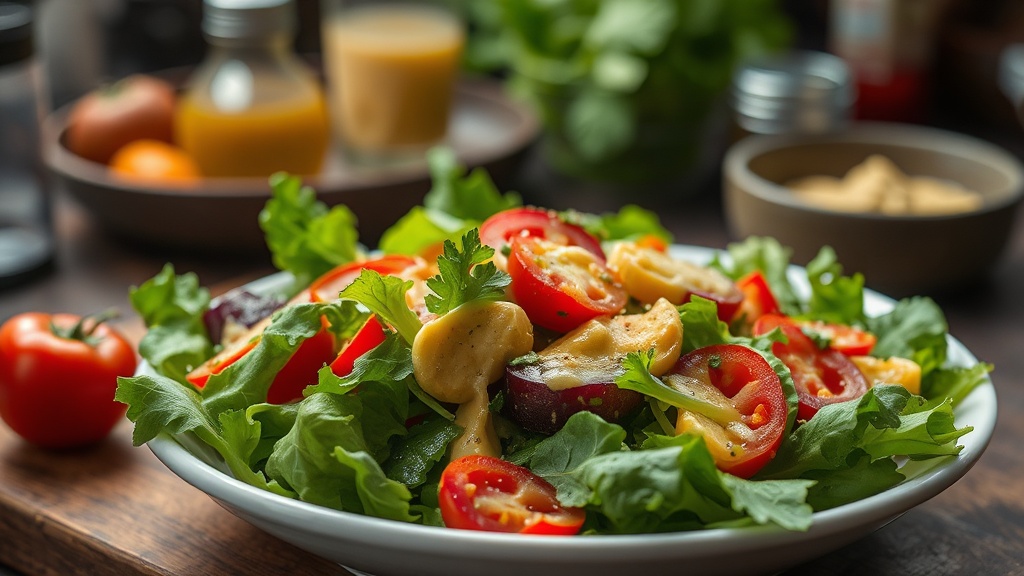
Stop Buying Expensive Pre-Made Salad Dressings

Have you ever looked at the back of a premium balsamic vinaigrette bottle and realized you’re paying $7.99 for a mixture of soybean oil, sugar, and a tiny splash of actual vinegar? Most people reach for those pre-made dressings because they are convenient, but that convenience comes with a massive markup and a heavy dose of low-quality ingredients that strip the nutritional value from your salad. This post will show you exactly how to stop overpaying for processed dressings by making high-quality, nutrient-dense versions in your own kitchen for a fraction of the cost.
The Math of the Markup
Let’s look at the cold, hard numbers. A standard 12-ounce bottle of high-end, "organic" vinaigrette at a grocery store like Whole Foods or even a regional chain like Giant can easily run you between $6.00 and $9.00. When you break that down, you are paying roughly $0.50 to $0.75 per ounce. Now, consider the ingredients. Most of these commercial dressings use "seed oils" like canola, soybean, or cottonseed oil as their base. These are cheap, highly processed fats that are used to bulk up the volume and extend shelf life, but they offer very little in the way of healthy omega-3 or monounsaturated fats.
When you make your own dressing, your base is a high-quality fat that you control. If you buy a large bottle of extra virgin olive oil or an avocado oil, your cost per ounce drops significantly. By controlling the ratio of oil to acid and adding your own seasonings, you aren't just saving money; you are eliminating the hidden costs of inflammatory oils and excessive sugar. If you are already looking to save money on your produce, you might also want to check out my guide on why you should stop buying pre-cut vegetables to further reduce your grocery bill.
The Three-Part Formula for Every Dressing
You do not need a culinary degree to make a dressing that tastes better than anything in a plastic bottle. Every single vinaigrette or creamy dressing follows a basic ratio. If you memorize this, you will never need to buy a store-bought bottle again.
1. The Fat Base
The fat carries the flavor and provides the satiety that keeps you full. Instead of the cheap oils found in commercial brands, choose one of these:
- Extra Virgin Olive Oil (EVOO): The gold standard for Mediterranean-style salads.
- Avocado Oil: A great neutral-tasting option that handles higher acidity well.
- Tahini: Perfect for creamy, dairy-free dressings.
- Greek Yogurt or Sour Cream: Use these for creamy dressings like Ranch or Caesar without the chemical stabilizers.
2. The Acid
The acid provides the "tang" and cuts through the richness of the fat. This is where most people fail by using cheap, synthetic flavorings. Stick to real liquids:
- Apple Cider Vinegar: Great for gut health and a sharp bite.
- Lemon or Lime Juice: Fresh citrus adds brightness that bottled juice cannot replicate.
- Balsamic or Red Wine Vinegar: Provides depth and a slightly sweeter profile.
- Dijon Mustard: This acts as both an acid and an emulsifier to keep the oil and vinegar from separating.
3. The Flavor Boosters
This is where you customize. Instead of buying a "Lemon Herb" dressing that is 90% soybean oil, you use real aromatics. A pinch of salt, a crack of black pepper, a clove of minced garlic, or a teaspoon of dried oregano will do more for your flavor than any chemical additive.
Three Essential Recipes to Start Your Rotation
To get you started, I have broken down three foundational dressings. These are designed to be made in a small mason jar or a small bowl with a whisk. They take less than five minutes to make.
The Classic Everyday Vinaigrette
This is your workhorse. Use this on spinach, kale, or even as a marinade for chicken or roasted vegetables.
- 3 parts Extra Virgin Olive Oil
- 1 part Red Wine Vinegar
- 1 teaspoon Dijon Mustard (this helps it stay emulsified)
- 1 clove Minced Garlic
- Salt and Pepper to taste
Pro-tip: If you find the garlic too sharp, let the minced garlic sit in the vinegar for 10 minutes before adding the oil. This "mellows" the bite.
The Creamy Lemon-Tahini Dressing
This is a game-changer for grain bowls or roasted cauliflower. It’s rich, creamy, and much cheaper than buying "creamy" bottled dressings that are actually just mayonnaise and sugar.
- 1/4 cup Tahini
- 2 tablespoons Fresh Lemon Juice
- 1 tablespoon Warm Water (to thin it out to your desired consistency)
- 1 teaspoon Maple Syrup or Honey (optional, for balance)
- A pinch of Cumin and Sea Salt
The Zesty Balsamic & Herb
Use this for caprese salads or over a hearty bowl of quinoa and chickpeas.
- 1/2 cup Balsamic Vinegar
- 1 cup High-quality Olive Oil
- 1 tablespoon Dried Italian Seasoning (Oregano, Basil, Thyme)
- 1 teaspoon Honey
- 1/2 teaspoon Salt
Avoid the "Health Halo" Trap
The biggest mistake I see is people buying "Light" or "Low Fat" dressings. When manufacturers remove fat, they have to add something else to make it taste like anything at all. Usually, that "something" is sugar, corn syrup, or thickeners like xanthan gum. A "Light" vinaigrette might have fewer calories per tablespoon, but it is often a nutritional desert filled with empty calories that won't actually keep you satiated.
By making your own, you are choosing functional fats. A salad with a bit of real olive oil and lemon juice actually helps your body absorb the fat-soluble vitamins (A, D, E, and K) found in your leafy greens. If you eat a "fat-free" salad, you are essentially wasting the nutritional potential of your vegetables. This is a core principle of eating well on a budget: don't just look at the calories; look at the nutrient density and the quality of the ingredients.
Storage and Practicality
One reason people stick to the store-bought stuff is the fear of waste. "I'll make a whole jar and it'll go bad before I finish it." Let's debunk that. Most homemade vinaigrettes (oil and vinegar based) will stay fresh in a sealed glass jar in your refrigerator for up to two weeks. Creamy dressings made with yogurt or tahini will last about 5 to 7 days.
To make this even easier, I recommend a "batch prep" approach. On Sunday, make a larger jar of the Classic Everyday Vinaigrette. It fits perfectly in a standard 8oz mason jar. This eliminates the "I don't have time to make dressing" excuse during a busy Tuesday night. If you are already prepping your meals for the week, remember that buying frozen vegetables is another way to ensure you always have a healthy base ready to go for these dressings.
The Bottom Line
The wellness industry wants you to believe that "healthy" means buying a specific, branded bottle with a green leaf on it. It doesn't. Healthy means knowing exactly what is in your food and choosing ingredients that serve your body without draining your bank account. Stop paying the "convenience tax" on processed oils and sugars. Grab a jar, some olive oil, and a lemon, and start making your own. Your wallet and your gut will thank you.