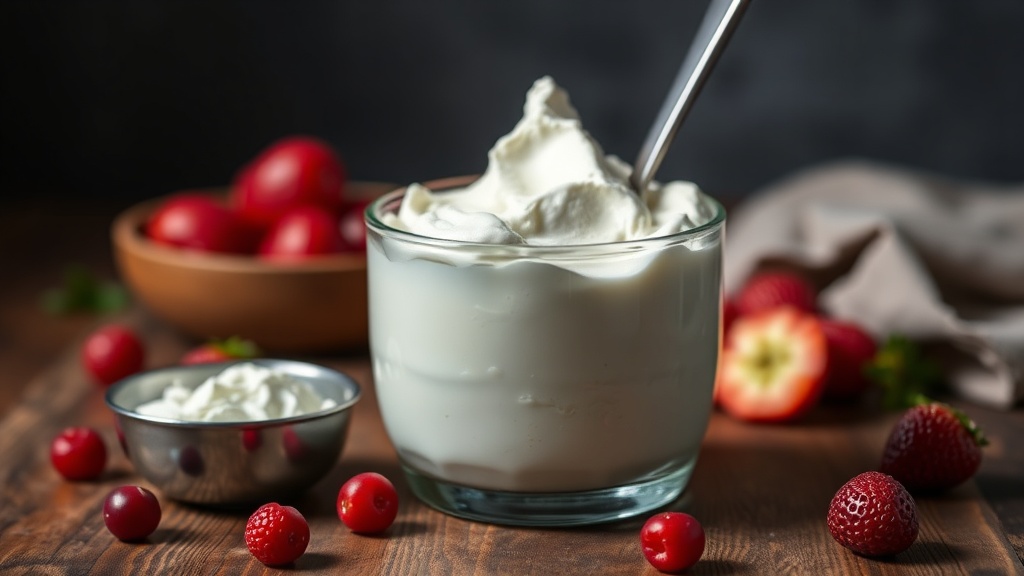
How to Make Your Own Greek Yogurt at Home

You are standing in the dairy aisle of a local grocery store like Trader Joe’s or ALDI, looking at a 32-ounce tub of plain Greek yogurt. The price tag says $5.50 or $6.00. You realize that if you want the flavored versions—the ones with real fruit—you’re looking at nearly $7.00. That is a massive markup for what is essentially fermented milk and a little bit of sugar. This guide will show you how to bypass that markup by making your own Greek yogurt at home using just two inexpensive ingredients: milk and a starter culture. By the end of this post, you will understand the math behind the savings and the exact mechanical steps required to achieve that thick, creamy texture without buying expensive pre-strained versions.
The Economics of Homemade Greek Yogurt
Let’s look at the actual math. To make Greek yogurt, you aren't just making yogurt; you are making yogurt and then straining out the liquid whey to increase the protein density and thickness. When you buy "Greek Style" yogurt at the store, you are paying a premium for that process. If you buy a gallon of whole milk for approximately $4.00, you can produce several large batches of yogurt. Even after accounting for the cost of a small container of a live-culture starter, your cost per ounce drops significantly compared to the branded tubs in the dairy aisle.
The "hidden" cost in many store-bought yogurts is the added sugar and thickeners like cornstarch or gelatin used to mimic texture. When you make it yourself, you control the ingredient list. You can use a high-quality milk and a reliable starter, ensuring you aren't consuming unnecessary additives. This is a foundational skill for anyone looking to make your own creamy nut butters at home or other high-protein staples that usually carry a heavy price tag.
What You Will Need: The Essential Toolkit
You do not need a high-tech laboratory or an expensive yogurt maker to do this. You can use tools already sitting in your kitchen. Here is your shopping and prep list:
- Milk: Use whole milk for the best texture. The higher the fat content, the creamier the result. If you prefer low-fat, you can use 2% or skim, but the yield will be much thinner.
- Starter Culture: This is the most critical component. You can use a single tablespoon of a high-quality, plain yogurt that contains "Live Active Cultures" (check the label for Lactobacillus bulgaricus and Streptococcus thermophilus). Alternatively, you can buy freeze-dried yogurt starter from a kitchen supply store.
- A Heavy-Bottomed Pot: A Dutch oven or a stainless steel pot works best to prevent the milk from scorching during the heating phase.
- A Thermometer: An instant-read digital thermometer is non-negotiable. You cannot "eyeball" the temperature of milk; precision is what prevents the bacteria from dying or the milk from curdling incorrectly.
- A Fine-Mesh Strainer and Cheesecloth: This is how you create the "Greek" texture. You need a way to separate the liquid whey from the thick yogurt solids.
- A Large Bowl: To catch the whey as it drips through the strainer.
Step-by-Step Instructions for Making Basic Yogurt
Before you can make it "Greek," you must first make standard yogurt. This is the fermentation stage where the bacteria consume the lactose (milk sugar) and turn it into lactic acid.
1. Heating the Milk
Pour your milk into the heavy-bottomed pot. Heat the milk slowly over medium heat. You are aiming to reach 180°F (82°C). This temperature is crucial because it denatures the whey proteins, which allows them to form a stable structure. If you don't hit this temperature, your yogurt will be runny and weak. Stir the milk constantly as it heats to ensure it doesn't burn on the bottom of the pot.
2. Cooling the Milk
Once the milk hits 180°F, remove the pot from the heat. Now, you must cool the milk down to roughly 110°F to 115°F. This is the "Goldilocks" zone for your bacteria. If the milk is too hot, you will kill the live cultures; if it is too cold, the bacteria won't activate. You can speed this up by placing the pot in an ice water bath in your sink, but do not rush it—steady cooling leads to better texture.
3. Inoculating the Milk
Take about a cup of your warm milk and mix it in a small bowl with two tablespoons of your starter yogurt. Whisk this until it is smooth and there are no lumps. Pour this mixture back into the main pot of warm milk. This ensures the starter is evenly distributed throughout the entire batch. Do not just dump the cold starter into the large pot, or you will end up with inconsistent fermentation.
4. The Incubation Period
Now, the milk needs to stay warm (around 105°F to 110°F) for 6 to 12 hours. This is where the magic happens. You can use a dedicated yogurt maker, but a much cheaper way is to wrap your pot in several thick bath towels and place it in a turned-off oven with the oven light left on. The light provides just enough ambient heat to keep the environment stable. Let it sit undisturbed. Do not shake the pot or stir it during this time.
The Transformation: Turning Yogurt into Greek Yogurt
Once the incubation period is over, your yogurt should be set and have a slightly tart smell. It is now standard yogurt. To turn this into the thick, high-protein Greek yogurt you see in stores, you must perform the straining process.
The Straining Process
- Prepare the Strainer: Place a fine-mesh strainer over a large bowl. Line the strainer with several layers of cheesecloth or a clean, thin kitchen towel (ensure it is unbleached and free of any synthetic scents).
- Transfer the Yogurt: Pour your fermented yogurt into the lined strainer.
- The Drip: Place the entire setup in the refrigerator. The yogurt will begin to drip through the cloth into the bowl. The liquid that collects in the bowl is whey. Do not throw this away! It is highly nutritious and can be used in smoothies or added to oatmeal.
- Timing the Thickness: This is entirely up to you. If you want a thick, spoonable yogurt, strain it for 2 to 4 hours. If you want a very thick, almost cheese-like consistency (similar to Labneh), strain it for 8 to 12 hours.
- Final Texture: Once you reach your desired thickness, remove the cloth and transfer the yogurt to an airtight container.
Troubleshooting Common Issues
If your yogurt didn't turn out the way you expected, it is usually due to one of three variables: temperature, time, or bacteria strength.
If the yogurt is too thin: You likely didn't heat the milk to 180°F, or you didn't strain it long enough. If the yogurt is still too runny after the incubation period, you can try straining it for a longer duration next time. Also, ensure your starter culture was truly "live" and active.
If the yogurt is too sour: This happens when the incubation period goes on too long. The bacteria continued to produce lactic acid, driving the pH down. Next time, check the yogurt at the 6-hour mark and move it to the fridge sooner.
If the yogurt is grainy: This is often a result of uneven heating or adding the starter when the milk was too hot. Ensure you are stirring the milk constantly while heating and that the temperature is precisely between 110°F and 115°F before adding the culture.
Storage and Flavoring Tips
Homemade yogurt does not have the same shelf life as highly processed commercial brands because it lacks preservatives. Store your yogurt in an airtight container in the back of the fridge, not the door, where temperatures fluctuate. It should stay fresh for about 7 to 10 days.
Since you are making plain yogurt, you have a blank canvas. To avoid the high cost of pre-flavored varieties, use these budget-friendly additions:
- Fruit: Use frozen berries (which are often cheaper than fresh) and thaw them slightly to create a natural syrup.
- Sweeteners: A small amount of honey, maple syrup, or even a spoonful of fruit jam can sweeten the yogurt without the chemical aftertaste of store-bought versions.
- Savory Options: Greek yogurt is an excellent base for savory dips. Mix in garlic powder, dried dill, and a pinch of salt to create a healthy substitute for sour cream or ranch dressing.
By mastering this process, you are taking control of your kitchen and your budget. You are moving away from the convenience of expensive, processed dairy and moving toward a skill that pays dividends in both health and cents.
Steps
- 1
Heat the Milk
- 2
Cool to Lukewarm
- 3
Add the Starter
- 4
Incubate the Mixture
- 5
Strain for Thickness