Stretch Your Protein with Plant-Based Legumes and Pulses

The biggest lie in the fitness industry is that you need expensive cuts of steak or overpriced protein powders to hit your daily requirements. Most people think protein is a luxury item, but that's just bad math. This guide breaks down how to use legumes and pulses to build a high-protein diet without the steep price tag. We'll look at the actual cost per gram, the best ways to prepare them, and how to make them actually taste good.
What Are the Best Plant-Based Protein Sources?
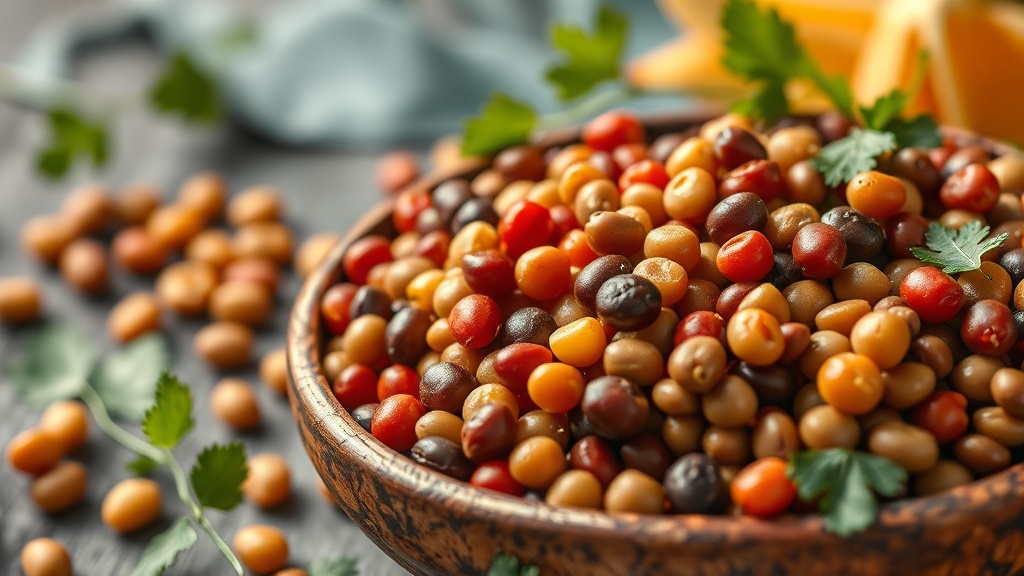
The best plant-based protein sources are legumes—specifically lentils, chickpeas, beans, and peas—because they offer high protein density alongside fiber and micronutrients. While many people reach for meat, these shelf-stable staples provide a much higher return on your dollar. If you're looking at a bag of dried lentils versus a pound of flank steak, the math is pretty undeniable.
Lentils are the heavy hitters here. They cook fast, they don't require soaking like other beans, and they work in everything from soups to salads. Red lentils turn into a mushy consistency (perfect for thick stews), while green or black lentils hold their shape for texture. If you want something more substantial, look toward chickpeas or black beans. These are the workhorses of a budget-friendly kitchen.
Don't sleep on the versatility of these items. You can mash chickpeas for a "tuna" salad substitute or use black beans to bulk up a taco night. It’s about more than just survival; it's about choosing ingredients that work harder for your wallet.
Here is a quick breakdown of common legumes and their typical nutritional profiles:
| Legume Type | Primary Benefit | Best Use Case |
|---|---|---|
| Red Lentils | Fast cooking/High iron | Soups, dals, and thick stews |
| Chickpeas (Garbanzo) | Texture/Fiber | Hummus, roasted snacks, or salads |
| Black Beans | Antioxidants/Cheap | Tacos, chili, or rice bowls |
| Green Lentils | High Protein/Firmness | Salad toppers or side dishes |
How Much Does Protein Cost per Gram?
Protein from legumes typically costs a fraction of what you'd pay for animal-based proteins. To understand the real savings, you have to stop looking at the price per pound and start looking at the price per gram of actual protein. A bag of dried beans is often the cheapest way to fuel your body on the planet.
Let's do some quick math. A pound of dried lentils costs roughly $1.50 to $2.00 in most grocery stores. That same pound provides about 115 grams of protein. Compare that to a pound of chicken breast, which might cost $4.00 or $5.00 and provide about 90 grams of protein. You're getting more protein for less money with the lentils—and you're getting fiber, too. (And no, I'm not talking about the expensive, branded "protein blends" you see in the supplement aisle.)
The Wikipedia entry on legumes explains that this group includes many different types of seeds and pods, which means your options are massive. You aren't stuck with just one flavor profile. You can rotate through lentils, peas, and various beans to keep your palate from getting bored.
When you shop, look at the unit price on the shelf tag. Often, the large bags of dried beans are significantly cheaper than the canned versions. If you have the time, buying dried is the ultimate way to keep your grocery bill low. It's a small upfront investment of time that pays off in long-term savings.
How Do You Prepare Legumes to Taste Better?
The reason people avoid legumes is usually because they've only ever eaten bland, mushy canned beans. If you don't season them properly, they will taste like nothing—or worse, like dirt. To make them delicious, you need to focus on two things: aromatics and acidity.
Never just boil beans in plain water. That’s a mistake. Instead, use what you have in the pantry. If you're making a lentil soup, start with a base of onions, garlic, and maybe some cumin or turmeric. If you're using canned beans, rinse them thoroughly to remove that metallic, salty liquid. This helps with both the taste and the texture.
A pro tip: add a splash of acid at the end. A squeeze of lemon juice, a dash of vinegar, or even a little bit of lime juice can brighten up a heavy bean dish. It cuts through the starchiness and makes the flavors pop. It’s the same logic used in professional kitchens—acid is the secret weapon.
If you want to build deeper flavors, try these methods:
- Roast them: Drain a can of chickpeas, pat them dry, toss with a little oil and salt, and bake until crunchy. It's a great high-protein snack.
- Sauté with aromatics: Always cook your beans with onions, garlic, or even leftover scraps of vegetables.
- Use the liquid: If you're using dried beans, the water they cook in (aquafaba) can actually be used in recipes.
If you're already working on maximizing your kitchen efficiency, you might want to check out how to turn your scraps into liquid gold with homemade vegetable broth. Using a flavorful broth to cook your beans instead of plain water is a massive upgrade for pennies.
Is the Protein in Beans "Complete"?
Legumes are considered "incomplete" proteins because they don't contain all nine essential amino acids in the same proportions as animal products, but you can easily fix this by eating them with grains. You don't need to eat them in the same bite, but pairing them with rice, corn, or whole wheat ensures you get a full amino acid profile.
The old "complementary protein" myth used to suggest you had to eat beans and rice in the same meal to get the benefits. That's not actually true. As long as you eat a variety of foods throughout the day, your body will gather what it needs. This is a huge relief for anyone on a budget because it means you don't have to obsess over every single plate.
The Dietary Guidelines for Americans suggest a wide variety of plant-based foods to ensure nutritional adequacy. By mixing your beans with grains, you're hitting those marks without the high cost of meat. It's a simple, effective way to stay healthy without breaking the bank.
Think about a classic bowl of rice and beans. It's a staple in many cultures for a reason. It's cheap, it's filling, and it's nutritionally sound. You don't need a $50 supplement when you have a bag of rice and a tin of black beans in the pantry.
If you're trying to stretch your food budget even further, you might find it helpful to learn how to meal prep healthy lunches on a $30 budget. Using legumes as your primary protein source makes those $30 weekly budgets much more achievable.
Don't let the wellness influencers convince you that you need specialized "superfoods" to be healthy. Most of the time, they're just selling you a lifestyle. Real nutrition is found in the humble, affordable stuff. Stick to the basics, season your food well, and watch your grocery bill drop.