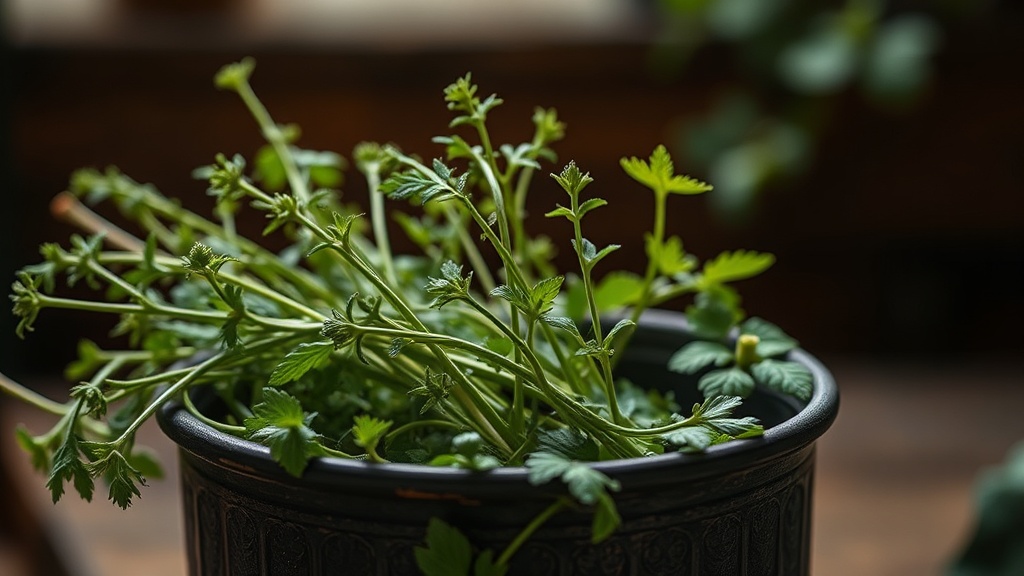
Stop Throwing Away Your Herb Stems

Quick Tip
Infuse cheap cooking oil with herb stems to create high-end flavored oils at home.
Stop Throwing Away Your Herb Stems
You are going to learn how to turn what most people call "trash" into high-impact flavor for your meals. Most grocery stores sell herbs by the bunch, and once you chop off the leaves for a garnish or a salad, the stems usually head straight for the bin. That is a mistake that costs you money and flavor. Using every part of the herb you purchase is one of the easiest ways to stretch a grocery budget while improving the depth of your cooking.
The Three Best Ways to Use Herb Stems
Don't toss those stems just yet. Depending on the herb, they serve different functional purposes in the kitchen. Here is how to use them effectively:
- Infuse Oils and Vinegars: If you have woody stems like rosemary or thyme, place them in a small jar with a neutral oil or apple cider vinegar. Let them sit in the fridge for a week. You’ll end up with a custom flavored oil for roasting potatoes without buying expensive specialty oils at the store.
- Build a Flavor Base: Cilantro and parsley stems are packed with more flavor than the leaves themselves. Finely mince the stems and sauté them with your onions and garlic at the beginning of a recipe. This adds a foundational layer of flavor to soups, stews, or rice dishes.
- Make Homemade Broth: This is the most efficient way to use up a large volume of stems. Collect your parsley, cilantro, and chive stems in a freezer bag. Once the bag is full, simmer them with onion skins and carrot tops to create a rich base for your next meal. You can read more about transforming leftover scraps into flavorful homemade vegetable broth to get the full process.
Practical Tips for Success
To ensure you aren't adding bitter or gritty textures to your food, follow these two rules:
- Check for Toughness: While cilantro stems are tender and great for mincing, rosemary and thyme stems are woody. Do not chop woody stems into a salad; use them strictly for infusion or long-simmering liquids where they can be easily strained out later.
- Wash Thoroughly: Herbs often hide grit and dirt near the base of the stem. Give your herbs a quick rinse in a colander under cold water before you start chopping to ensure no dirt ends up in your finished dish.
Stop paying for the full weight of a herb bunch only to throw half of it away. Treat those stems like the ingredient they actually are, and you'll see your kitchen results improve immediately.