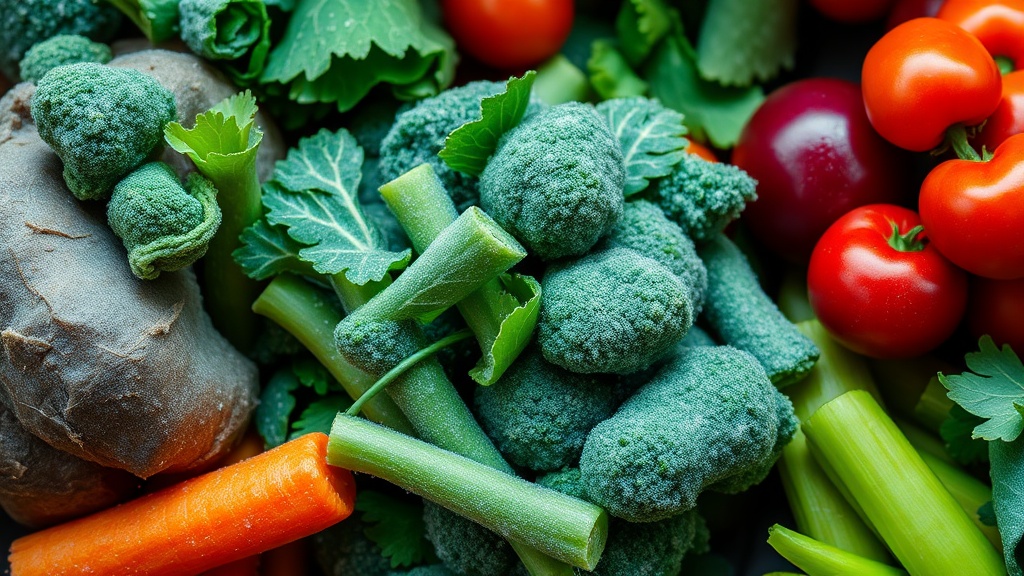
Why You Should Buy Frozen Vegetables Instead of Fresh

Quick Tip
Frozen vegetables are often flash-frozen at peak ripeness, preserving more nutrients than 'fresh' produce that has traveled for days.
The Real Math Behind the Frozen Aisle
You walk into the grocery store, grab a plastic clamshell of organic fresh spinach, and head to the checkout. By Tuesday, that spinach is a slimy, brown mess at the bottom of your crisper drawer. You just threw five dollars directly into the trash. This is why you need to stop treating the frozen vegetable aisle like a backup plan and start treating it like your primary strategy. Frozen vegetables are often more nutrient-dense, significantly cheaper, and have a much longer shelf life than their "fresh" counterparts.
Nutrient Density and Flash Freezing
The biggest myth in the wellness world is that "fresh" is always better. Most fresh produce is picked before it is fully ripe to survive the long transit from farms to your local Wegmans or Giant. By the time it hits your plate, it has already lost a percentage of its vitamins. Frozen vegetables, like Birds Eye frozen peas or Green Giant broccoli florets, are typically flash-frozen at the peak of ripeness. This process locks in vitamins and minerals, meaning you get more nutritional bang for your buck.
The Math of Food Waste
When you buy a large bag of fresh bell peppers, you are often paying for the weight of the seeds and the stems you’ll eventually toss. With frozen options, you pay strictly for the edible portion. Beyond the price per pound, the real savings come from the reduction of waste. A bag of frozen mixed vegetables stays good for months in your freezer, whereas a bag of fresh cauliflower might go bad in ten days. If you struggle with inconsistent grocery trips, frozen goods ensure your money actually ends up in your body rather than the compost bin.
Smart Grocery Strategies
To get the most out of your frozen haul, follow these practical rules:
- Check the ingredients: Ensure the only ingredient is the vegetable itself. Avoid bags that include pre-made sauces or heavy salt, which drive up the price and the sodium content.
- Steam in the bag: Use the "steam-in-bag" method for quick weeknight dinners to save time and prevent overcooking, which can leach out nutrients.
- Mix and match: Use frozen corn or edamame to bulk up a simple grain bowl or soup without needing to prep multiple fresh items.
If you are looking to build a more resilient kitchen, pairing these frozen staples with healthy pantry staples that cost less than $2 per pound will drastically lower your weekly food bill while keeping your nutrition on track.