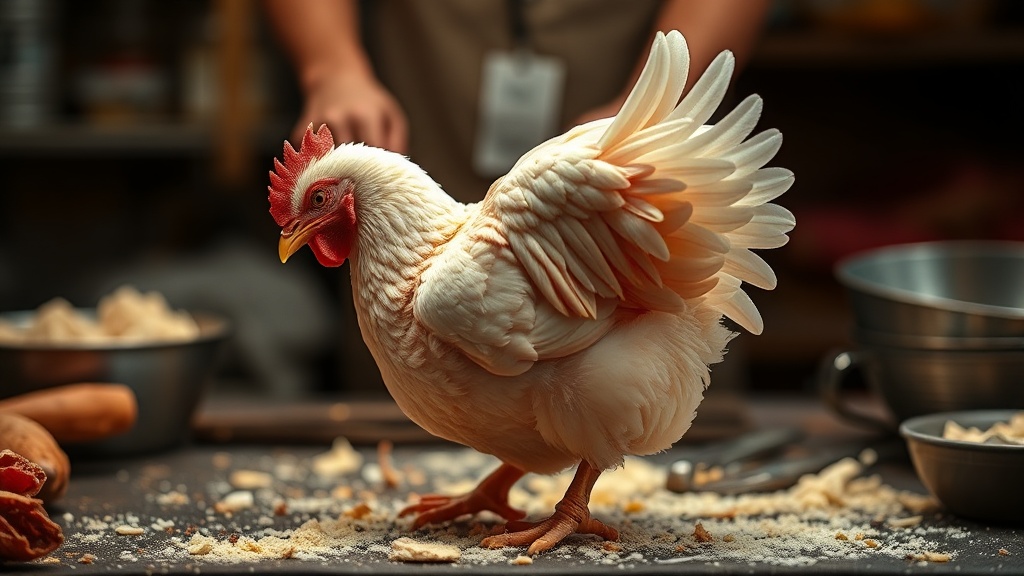
Buy Whole Chickens and Break Them Down Yourself

Quick Tip
A whole chicken is almost always cheaper per pound than buying breasts or thighs separately.
You're standing in the meat aisle, staring at a pack of chicken breasts that costs $7.00, and then you see a whole, raw chicken for $9.00. Most people walk past the whole bird because it looks like a chore—a messy, intimidating task. But that's where the math wins. Buying a whole bird and breaking it down yourself is the fastest way to slash your protein costs and get way more value out of every dollar spent at the grocery store.
How Much Can You Save Buying Whole Chickens?
You can save anywhere from 30% to 50% per pound by buying whole chickens instead of pre-cut parts. When you buy pre-cut breasts or thighs, you're paying a premium for the butcher's labor and the plastic packaging. A whole chicken gives you everything: the meat, the skin, and the bones.
Think about it. If you buy a pack of chicken breasts, you're paying for the convenience of not having to deal with the bone. But if you buy the whole bird, you get the meat plus the bones for a rich stock. It's a two-for-one deal that most people overlook because they're afraid of a little kitchen work.
| Chicken Part | Typical Use | Budget Strategy |
|---|---|---|
| Breasts/Thighs | Main protein for dinner | Freeze in small portions |
| Wings/Drumsticks | Snacks or appetizers | Great for air frying |
| Back/Neck/Carcass | Soup and Bone Broth | Never throw these out! |
What Parts of the Chicken Do I Use?
Every single part of the bird serves a functional purpose in a budget-friendly kitchen. You don't need a fancy culinary degree to handle this; you just need a sharp knife and a little patience.
- The Breasts: These are your lean proteins for salads or sandwiches.
- The Thighs and Legs: These have more fat and flavor—perfect for slow cooking or roasting.
- The Wings: Great for high-protein snacks or small meals.
- The Carcass (The Back and Bones): This is the gold mine. Instead of buying boxed broth, you simmer these bones to make your own.
If you're worried about the cost of flavoring your meat, remember that you don't need expensive pre-made rubs. You can stop buying pre-packaged spice blends and just use basic pantry staples like salt, pepper, and paprika. It's cheaper and tastes better.
How Do I Break Down a Chicken?
You break down a chicken by removing the legs, wings, and breasts, leaving the carcass for stock. It's a straightforward process that takes about 15 minutes once you've practiced it a few times.
Grab a chef's knife and a pair of kitchen shears. Start by removing the legs at the joint, then work your way up to the wings. Once the limbs are gone, you can easily slice the breast meat away from the ribcage. Don't stress about perfection—it's just dinner, not a Michelin-star plating competition.
The leftover bones are your secret weapon. Throw them in a pot with some water and scraps, and you've got homemade stock that beats anything in a carton. This is how you actually build a budget. It's not about finding a magic sale; it's about making the ingredients work harder for you.