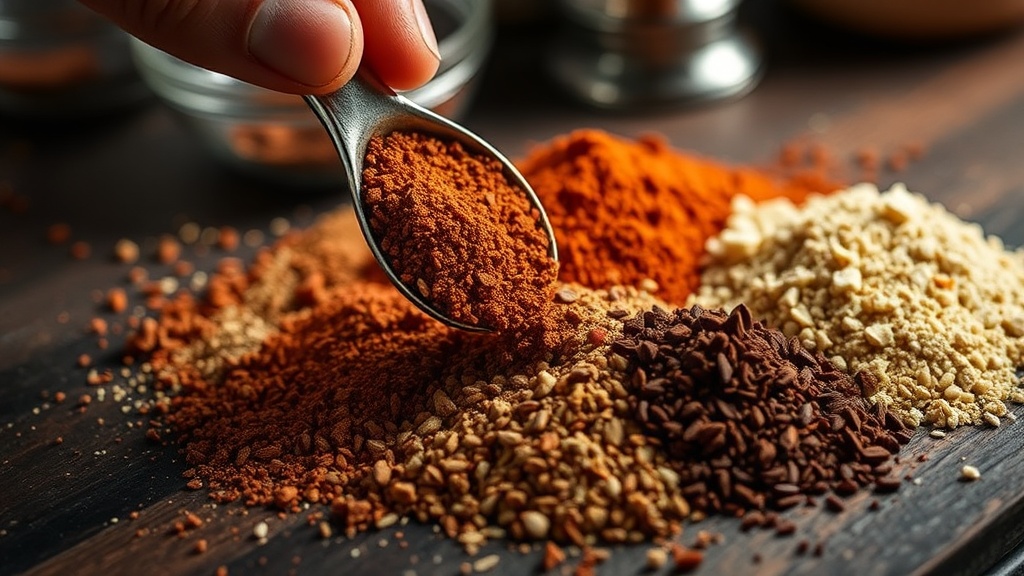
Stop Buying Pre-Packaged Spice Blends and Mix Your Own

Why are you paying for a jar of salt and dried herbs?
Have you ever looked at the price tag on a small jar of "Everything Bagel Seasoning" or a "Mediterranean Herb Blend" and thought, "Is this really worth six dollars?" Most of the time, the answer is a hard no. You aren't paying for flavor; you're paying for the convenience of someone else doing the math and the heavy lifting. This post covers how to build a functional, high-impact spice kit using basic, single-ingredient spices that you buy in bulk. We’re going to look at the actual cost per ounce and how much you save when you stop buying the "brand name" version of a seasoning blend.
The wellness industry loves to sell you a finished product that promises a specific vibe—"Zen Curry," "Sunset Spice," or whatever. But if you look at the ingredients, it's usually just turmeric, cumin, and coriander, often padded out with cheap fillers or extra salt to make it shelf-stable. When you buy those blends, you're essentially paying a massive markup for a tiny amount of actual spice. It's a bad deal for your wallet and, frankly, a bad deal for your pantry because you'll end up with ten half-empty jars of blends you never use.
How much can I save by making my own seasoning?
Let's talk numbers, because that's where the truth lives. If you go to a standard grocery store, a 2-ounce jar of a specialized blend might cost $5.00. If you buy a 16-ounce bag of the individual components—say, garlic powder, paprika, or dried oregano—at a warehouse club or an ethnic grocery store, your cost per ounce drops by a massive margin. It's not just a few cents; it's often a 70% to 80% reduction in cost.
Consider the math on a standard Taco Seasoning. A store-bought packet might cost $0.80 for a single use. If you buy bulk cumin, chili powder, and garlic powder, that same amount of seasoning costs you roughly $0.15. Multiply that by every meal you cook in a year, and you're looking at significant money that stays in your pocket instead of going to a spice manufacturer. It's the difference between a budget that's constantly in the red and one that actually has room to breathe.
I've seen people get stuck in the cycle of buying expensive, pre-made mixes because they think it's the only way to get consistent flavor. That's a myth. When you control the ratio, you control the outcome. You can make a blend that's more pungent, more mild, or more spicy without being stuck with the "standard" recipe a corporation decided was best for the masses.
What are the best spices to buy in bulk?
You don't need a spice rack that looks like a professional chef's kitchen. You need a functional toolkit. To keep your budget intact, focus on the high-volume, low-cost staples. These are the ingredients that form the backbone of most global cuisines. If you have these on hand, you can make almost anything happen in a pan.
- Cumin: The heavy hitter for Mexican, Middle Eastern, and Indian dishes.
- Smoked Paprika: This adds a deep, smoky flavor without needing to buy expensive liquid smoke.
- Garlic and Onion Powder: The foundation of almost every savory dish in the Western world.
- Turmeric: Great for color and earthy flavor, but buy it in the largest bag possible because it's cheap and lasts forever.
- Dried Oregano and Thyme: These are your go-to for Mediterranean or Italian flavors.
A great resource for understanding the nutritional profiles and origins of these spices is the FDA's guidelines on food labeling, which can help you ensure you aren't accidentally buying blends with hidden allergens or weird additives. If you want to see how spices are used in traditional cooking to drive flavor without adding fat or sugar, check out the Food and Agriculture Organization of the United Nations for insights into global food systems.
How do I store spices to keep them fresh?
The biggest mistake people make when they start making their own blends is storing them in a way that kills the flavor. If you buy a giant bag of cinnamon and keep it in a flimsy plastic bag in a warm pantry, it'll be useless in three months. You want to invest in small, airtight glass jars. Glass is much better than plastic for preventing oxidation and keeping the essential oils inside the spice.
Keep your spices in a cool, dark place. Heat is the enemy of flavor. If your spice rack is sitting right above your stove, the heat from your cooking is going to degrade those spices much faster. A drawer or a pantry shelf away from the stove is your best bet. If you can smell the spice when you open the jar, it's still good. If it smells like nothing, it's time to toss it and get a new bulk bag.
The "Standard" Spice Ratio Cheat Sheet
If you're staring at your pile of spices and don't know where to start, use this basic ratio for a "House Seasoning" that works on chicken, pork, or roasted vegetables:
- 2 parts Salt (use a high-quality sea salt or kosher salt)
- 1 part Garlic Powder
- 1 part Onion Powder
- 1/2 part Paprika
- 1/2 part Black Pepper
- 1/4 part Dried Thyme
This is a starting point. You can tweak it. If you want more heat, add cayenne. If you want more earthiness, add more cumin. This is the beauty of the DIY approach—you're the boss of your own kitchen, not a marketing department.
Can I make my own versions of expensive blends?
Absolutely. Let's look at a few common examples where the "premium" version is a total rip-off. Instead of buying that expensive "Everything Bagel" seasoning, grab sesame seeds, poppy seeds, dried minced garlic, and sea salt. It's the same thing, but you're paying for the ingredients, not the label. Instead of buying expensive "Italian Seasoning," mix your own oregano, basil, rosemary, and thyme. It's the same botanical profile, just without the brand-name markup.
This isn't just about being a "budget cook." It's about being a smart consumer. When you understand that a spice blend is just a mathematical ratio of individual ingredients, the "magic" of the brand name disappears. You're left with the reality: you're buying a commodity. Once you see that, you can't unsee it. You'll never look at a $7 jar of pre-mixed seasoning the same way again.