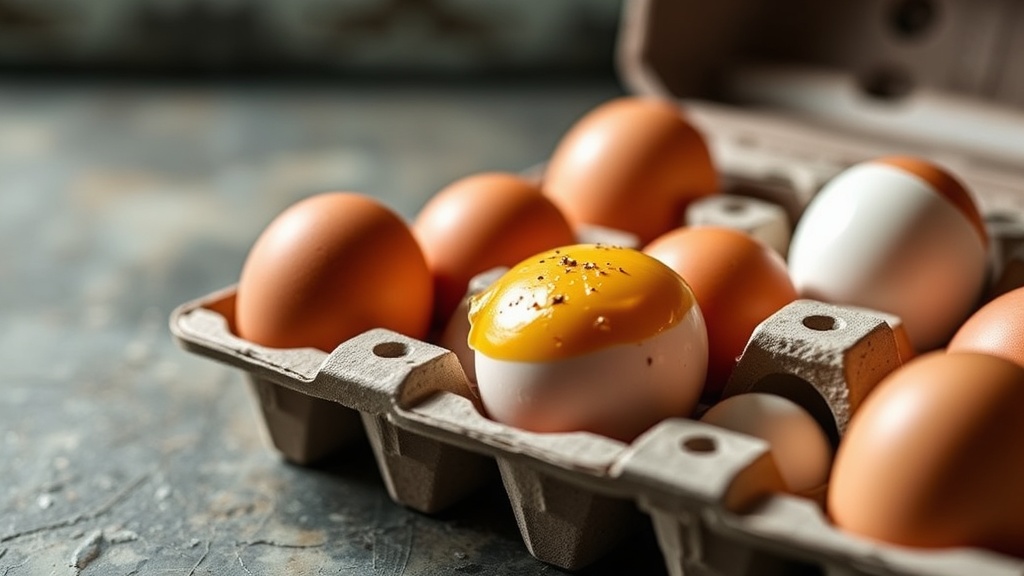
6 Ways to Use Eggs to Stretch Your Grocery Budget

Add a Fried Egg to Grain Bowls
Use Hard-Boiled Eggs for Quick Protein Snacking
Make a Budget-Friendly Frittata with Leftover Veggies
Bulk Up Ramen with a Poached Egg
Use Eggs to Bind Cheap Veggie Patties
Make Egg Salad for Low-Cost Lunches
A family of four sits around a kitchen table, staring at a grocery receipt that is $30 higher than they planned for. The meat section of the receipt is the culprit. Chicken thighs and ground beef prices have spiked again, and the budget is officially blown before the month is even halfway through. This isn't a hypothetical scenario; it is the reality for millions of people trying to balance nutritional needs with a fixed income. One of the most effective ways to fix this is to stop viewing eggs as just a breakfast food and start treating them as a versatile, high-protein structural component for every meal. This post covers six specific strategies to use eggs to lower your per-meal cost while maintaining high nutritional density.
1. Use eggs as a meat extender in recipes
The most expensive part of almost any meal is the animal protein. If you are making a beef taco night or a turkey chili, you are paying a premium for every ounce of meat. You can drastically reduce the cost per serving by "stretching" the meat with eggs. Instead of making a full pound of beef pasta sauce, use half a pound of beef and incorporate two or three whisked eggs or a soft-boiled egg into the dish. The protein and fat from the egg add satiety—that feeling of being full—without the high price tag of steak or poultry.
A practical way to do this is through a technique used in many budget-friendly Asian dishes: the "egg drop" method. If you are making a vegetable and rice stir-fry, don't just serve the rice and veggies. Push the rice to the side of the pan, crack two eggs into the center, and scramble them directly into the grains. This adds much-needed protein and fat to a meal that might otherwise be mostly carbohydrates. This method turns a bowl of rice and frozen peas into a complete, filling meal for a fraction of the cost of adding shrimp or chicken.
2. Replace expensive cheeses with egg-based richness
Cheese is a high-fat, high-protein ingredient, but it is also one of the most expensive items in the dairy aisle. A block of sharp cheddar or a tub of goat cheese can easily add $5 to $0.15 per ounce to your grocery bill. You can mimic the creamy, rich mouthfeel of cheese by using eggs to create sauces and binders. This is especially useful in dishes like casseroles or baked pasta, where cheese is often used to hold everything together.
For example, when making a vegetable strata or a savory bread pudding, use more eggs and less cheese. The eggs will set the dish into a firm, protein-rich structure, while the cheese becomes a garnish rather than a primary ingredient. If you are making a creamy pasta sauce, instead of using a heavy cream and parmesan base, try a "carbonara-style" method. Whisk eggs with a small amount of black pepper and a tiny bit of cheap hard cheese, then toss them with hot pasta. The residual heat cooks the eggs into a silky, creamy sauce that feels luxurious but costs significantly less than a heavy cream-based sauce.
3. Use eggs to add protein to grain-based meals
Grains like oats, quinoa, and even rice are inexpensive, but they lack the high-quality protein density found in animal products. To avoid the "carb crash" and stay full longer, you need to pair these grains with a protein source. Eggs are the most cost-effective way to do this. If you are eating oatmeal for breakfast, it is easy to fall into the trap of buying expensive protein powders or Greek yogurt. Instead, try adding a poached egg on top of savory oatmeal. Season the oats with salt, pepper, and a bit of soy sauce, then top with an egg. This provides a much more stable energy source for the morning.
This also works for lunch and dinner. If you are eating a bowl of lentils or a grain salad, a hard-boiled egg sliced on top adds about 6 grams of protein for roughly $0.25 to $0.30. For those looking to maximize their budget, remember that buying dried beans and pairing them with eggs creates a powerhouse of nutrition that is nearly impossible to beat on a price-per-gram protein basis. The combination of legume fiber and egg protein ensures you won't be looking for a snack an hour after eating.
4. Make egg-based dressings and sauces instead of store-bought
The "health food" aisle is full with overpriced, processed dressings and mayonnaise. A jar of high-end Caesar dressing or organic mayonnaise can cost $6.00 or more. You can make these at home using eggs as a way to emulsify oils and acids, creating a much more nutritious and cheaper alternative. A classic homemade mayonnaise or a creamy Caesar dressing uses egg yolks to bind oil and vinegar into a thick, stable sauce.
Making your own dressings isn't just about the money; it's about controlling the ingredients. Store-bought dressings are often loaded with cheap seed oils and sugar. When you make a dressing using an egg yolk, you are adding lecithin, a healthy fat that helps with nutrient absorption. If you have leftover eggs that are nearing their expiration date, use them to make a batch of creamy vinaigrette or a savory aioli. This can be kept in the fridge and used to elevate simple vegetables or roasted potatoes, making cheap ingredients taste much more expensive than they actually are.
5. Use eggs as a binder for veggie-heavy dishes
One of the biggest mistakes people make when trying to eat healthy on a budget is buying large quantities of vegetables and then failing to eat them because they don't know how to make them "satisfying." Vegetables are great, but a plate of steamed broccoli and carrots often lacks the substance required to keep a person full. This is where eggs act as a structural binder. Instead of eating vegetables as a side dish, turn them into the main event using eggs.
Take a bag of frozen vegetables—which are a staple for any budget-conscious kitchen—and turn them into a frittata. A frittata is essentially a crustless quiche that uses a high ratio of eggs to vegetables. You can take leftover roasted potatoes, sautéed spinach, or even frozen corn and fold them into a whisked egg mixture. Bake it in a skillet, and you have a high-protein, high-fiber meal that can be eaten hot for dinner or cold for lunch the next day. This technique prevents food waste by ensuring that even the "tired" vegetables in your crisper drawer get used and turned into a complete meal.
6. Lean on eggs for low-cost breakfast variety
Breakfast is often the most expensive meal of the day if you rely on pre-packaged options like breakfast sandwiches, protein bars, or expensive cereal. These items are highly processed and offer very little actual nutritional value for the price. To stay on budget, you need to move away from the "grab and go" mentality and embrace the "cook and hold" strategy. Eggs are the ultimate tool for this.
Instead of buying expensive pre-made breakfast burritos, make a large batch of egg muffins on Sunday. Whisk a dozen eggs with whatever cheap vegetables you have on hand—onions, peppers, or even those frozen vegetables—and bake them in a muffin tin. These are portable, highly nutritious, and cost pennies per serving. You can also make a large batch of hard-boiled eggs to keep in the fridge. Having a ready-to-eat protein source prevents the impulse to buy a $5 latte and a pastry when you are running late in the morning. This small shift in habit can save you upwards of $20 to $30 a week depending on your current breakfast routine.
Budgeting for food isn't about deprivation; it's about strategic substitution. By treating eggs as a versatile tool rather than just a breakfast item, you can increase the protein density of your meals while simultaneously lowering your total grocery spend. Whether you are using them to stretch meat, thicken a sauce, or turn a pile of vegetables into a filling meal, eggs are one of the smartest investments you can make in your kitchen.