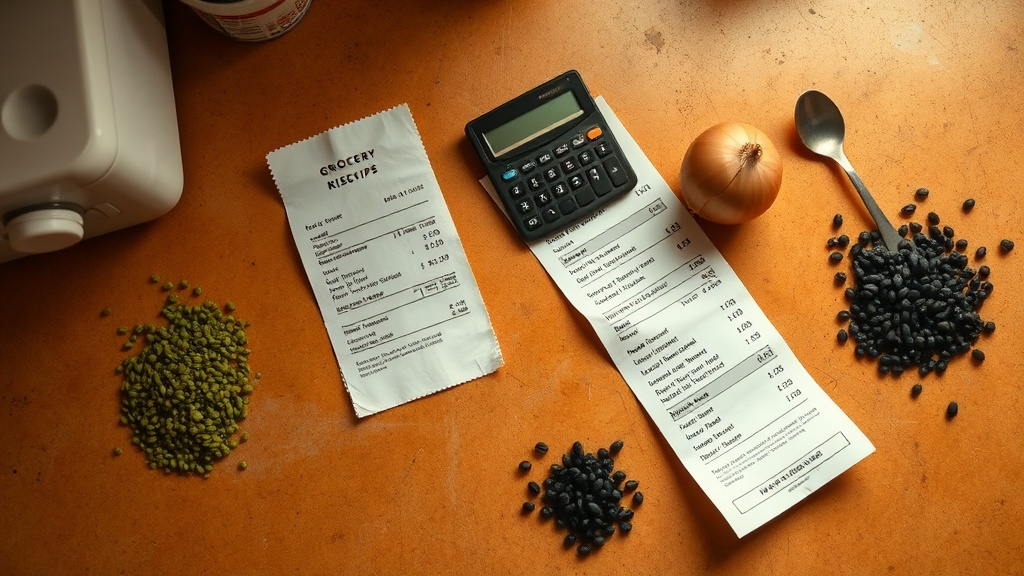
Women's Day + Grocery Math: 5 Meals Under $2.50 That Actually Work

Let's skip the part where I tell you that you deserve to eat well. You know that. What you actually need is the math that makes it possible on a budget that doesn't lie to you.
International Women's Day is March 8. And instead of writing you an inspirational post about "nourishing yourself" with $18 grain bowls, I'm going to do something more useful: show you the grocery math that the wellness industry doesn't want you to think about.
Here's the context. According to the Institute for Women's Policy Research, women earn about 82 cents for every dollar men earn — and that gap widens significantly for single mothers and women of color. Meanwhile, food budget management falls disproportionately on women. We're doing more of the planning, more of the shopping, more of the cooking. On less money. With more guilt about what ends up on the table.
That guilt is manufactured. I want to be clear about that.
The food industry profits from making you feel like your budget is a character flaw. It's not. Your budget is a constraint, and constraints have solutions. Here are five of them.
The 5 Meals (And the Math Behind Each One)
All prices pulled from 2026 Philly grocery data — a mix of Aldi, Lidl, and Reading Terminal Market bulk bins. These aren't aspirational prices. These are the prices I actually paid.
1. Lentil Dal with Rice — $1.25–$1.40/serving
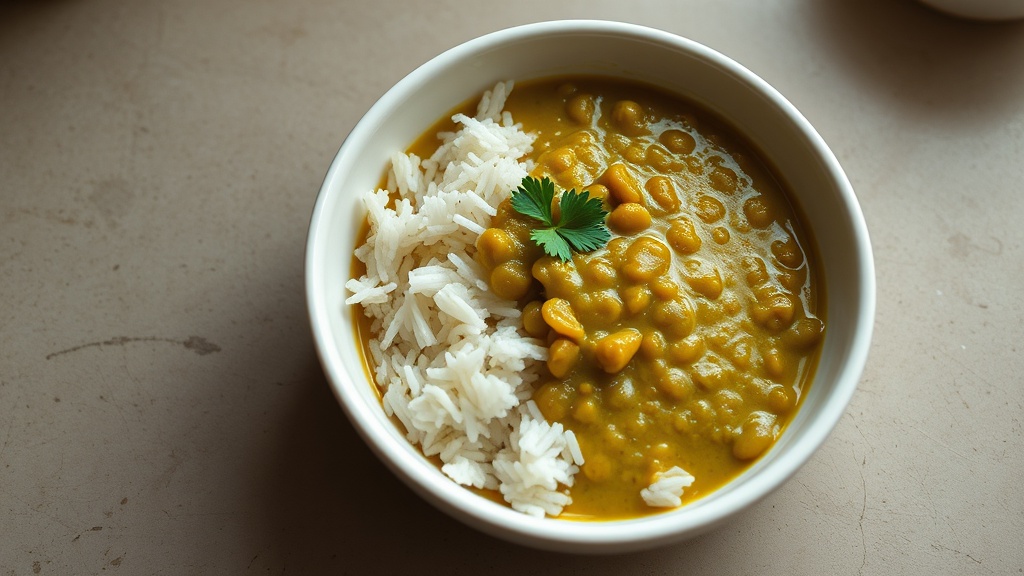
This is the most nutritionally complete meal on this list per dollar spent and I will die on that hill.
The math (4 servings, batch totals then per-serving):
- Green lentils, bulk bin: $0.89/lb — 1 cup dry (0.44 lb) = $0.39 batch → $0.10/serving
- Basmati rice, store brand 5 lb bag ($4.99/bag): 1.5 cups dry = $0.88 batch → $0.22/serving
- Canned diced tomatoes, Aldi: $0.89/can × 2 cans = $1.78 batch → $0.45/serving
- Onion, 1 medium: $0.65 batch → $0.16/serving
- Garlic, bulk: $0.10 batch → $0.03/serving
- Spices (cumin, turmeric, garam masala, bulk): $0.12 batch → $0.03/serving vs $2.49 for a spice packet doing the same job
- Coconut milk, store brand: $1.19/can = $1.19 batch → $0.30/serving
Batch total: ~$5.11 → $1.28/serving
Protein per serving: ~18g. Fiber: ~15g. The USDA Dietary Guidelines for Americans set the daily fiber target for adult women at 25g — one bowl of dal gets you 60% of the way there.
Where the savings are: Bulk spices vs. spice packets will save you $2.37 on this meal alone. That gap is the food industry charging you for packaging. This is the core principle of unit price math.
2. Sheet Pan Chicken Thighs + Broccoli + Potatoes — $1.60–$2.20/serving
Bone-in, skin-on chicken thighs are one of the most underused budget proteins because somewhere along the way "thighs" became the unglamorous option. That's marketing.
The math (4 servings):
- Bone-in chicken thighs: $1.49/lb on sale (4-pack, ~2 lbs) = $2.98 batch → $0.75/serving (regular price $1.99/lb pushes this to $1.00/serving)
- Broccoli crowns: $1.29/lb, one large crown (~1 lb) = $1.29 batch → $0.32/serving
- Russet potatoes, 5 lb bag ($3.49): 1 medium each (~0.5 lb/person, 2 lbs total) = $1.40 batch → $0.35/serving
- Olive oil, store brand: $0.60 batch → $0.15/serving
- Salt, pepper, garlic powder from bulk: $0.12 batch → $0.03/serving
Batch total: $6.39–$7.39 → $1.60–$1.85/serving on sale; up to $2.20 at regular chicken price
Where the savings are: Boneless skinless chicken breast at the same store ran $4.49/lb. You're paying $2.50–$3/lb extra for the marketing myth that it's healthier. It isn't. Thighs have more zinc, more iron, more B vitamins — and they stay moist even if you overcook them slightly, which matters when you're cooking after a double shift.
3. Black Bean Tacos with Bulk Spices — $1.00–$1.50/serving
This one gets unfairly dismissed as "not a real meal." It has more protein per dollar than most things at a fast casual restaurant charging you $14 for the same beans. In fact, budget protein planning centers on understanding cost-per-gram, which is where beans shine.
The math (4 servings / 16 tacos, 4 per person):
- Dried black beans, bulk bin: $1.29/lb — 1 cup dry (0.44 lb) = $0.57 batch → $0.14/serving
- Corn tortillas, store brand (30-pack, $2.49): 16 tortillas = $1.33 batch → $0.33/serving
- Cumin, chili powder, garlic, bulk: $0.08 batch → $0.02/serving vs $1.99 for a taco seasoning packet
- Shredded cabbage (half a head): $0.45 batch → $0.11/serving
- Lime: $0.25 batch → $0.06/serving
- Salsa, store brand: $1.19 batch → $0.30/serving
Batch total: $3.87 → $0.97/serving base. Add avocado ($0.89 → +$0.22/serving) or cheese (+$0.20/serving) and you're at $1.20–$1.50.
Where the savings are: If you're buying taco seasoning packets, you're paying $1.99 for about 12 cents worth of spices plus packaging. Switch to bulk spices once and you'll never go back. One bag of cumin from the bulk bin lasts months.
4. Egg Fried Rice with Frozen Vegetables — $1.47–$1.65/serving
The secret to egg fried rice is using day-old rice. That's not a pro tip — that's just how it works. Fresh rice is too moist and you get mush. So this is a planned-leftover meal, which means it's doing double duty on your time. Eggs are one of the most versatile cheap protein options available.
The math (4 servings):
- Eggs, store brand dozen: $3.89 — 2 per serving (8 eggs total) = $2.59 batch → $0.65/serving
- White rice, 2 cups cooked, from store brand 5 lb bag: $0.88 batch → $0.22/serving
- Frozen mixed vegetables, Aldi 12 oz bag: $1.29 = $1.29 batch → $0.32/serving
- Soy sauce, store brand: $0.32 batch → $0.08/serving
- Sesame oil (small bottle, used sparingly): $0.48 batch → $0.12/serving
- Green onions: $0.99/bunch, use 1/3 = $0.33 batch → $0.08/serving
Batch total: $5.89 → $1.47/serving
Where the savings are: Frozen vegetables. USDA research on nutrient retention shows frozen produce — flash-frozen at peak ripeness — often retains vitamin C comparably to fresh produce that's been in transit or sitting on a store shelf for days. And it costs 30–40% less. The "fresh is always better" narrative is a premium pricing strategy, not a nutrition fact. Frozen vegetables are nutritional heroes — treat them that way in your budget.
5. Minestrone Soup — $0.85–$1.10/serving
This is the meal I made on rotation during my social work years because a pot of soup lasts three days and feels like a meal you actually made, not a corner you cut.
The math (6 servings):
- Canned diced tomatoes, Aldi: $0.89 × 2 cans = $1.78 batch → $0.30/serving
- Cannellini beans, dried: $1.39/lb — 1 cup dry (0.44 lb) = $0.61 batch → $0.10/serving
- Carrots, loose: $0.79/lb, 2–3 carrots (~0.5 lb) = $0.40 batch → $0.07/serving
- Celery, 3 stalks: $0.35 batch → $0.06/serving
- Zucchini: $0.89/lb, 1 medium (~0.75 lb) = $0.67 batch → $0.11/serving
- Elbow pasta, store brand: $0.99/lb → ½ cup dry (~0.22 lb) = $0.22 batch → $0.04/serving
- Vegetable bouillon cube: $0.45 batch → $0.08/serving
- Italian seasoning, bulk: $0.06 batch → $0.01/serving
- Parmesan rind (optional — ask at the deli counter, often free or a few cents): $0
Batch total: $4.54–$5.54 → $0.75–$0.92/serving (add parmesan rind or extra pasta to push toward $1.10)
Where the savings are: Dried beans over canned saves about 60% on unit cost and takes 45 minutes of hands-off simmer time. If you don't have 45 minutes, canned still keeps this under $1.50/serving. Both are valid. Do not let anyone make you feel bad for using canned beans.
The Real Point Here
You're not struggling to eat healthy. You're operating inside a food system that profits from your confusion and guilt.
"Health food" as a category was invented to charge you more for things that aren't actually better for you. The $12 Moon Dust latte. The $9 açaí bowl. The $18 "wellness bowl" at the place with exposed brick and a logo that looks like a yoga mat.
The meals above — all five of them — provide adequate protein, fiber, micronutrients, and complex carbohydrates consistent with USDA Dietary Guidelines. They're not "budget versions" of healthy food. They are healthy food.
The wage gap is real. The food budget pressure on women is real. What's not real is the idea that the solution is more expensive. The solution is unit price literacy. It's knowing that bulk spices cost 12 cents instead of $1.99 in a packet. It's knowing that bone-in thighs have more iron than boneless breast. It's knowing that frozen broccoli is not a compromise — it's a data-backed choice.
Cassidy's Women's Day Reality Check
I don't have an affirmation for you. I have this:
You've been managing more with less for a long time. You already know how to be resourceful. You already do the math — on your paycheck, on your rent, on whether the gas bill and the groceries can both happen this week.
Your kitchen is where that shows up. Not as deprivation. As competence.
That's worth acknowledging on March 8 — not because you "deserve" a $40 jar of almond butter, but because the grit you already have is exactly the tool that makes this math work.
Now go check the unit prices on your spice rack.
Philly grocery prices current as of early March 2026 from Aldi, Lidl, and Reading Terminal Market bulk bins. Unit prices vary by store and week — always check the shelf tag per oz or per lb, not the front-of-package price.