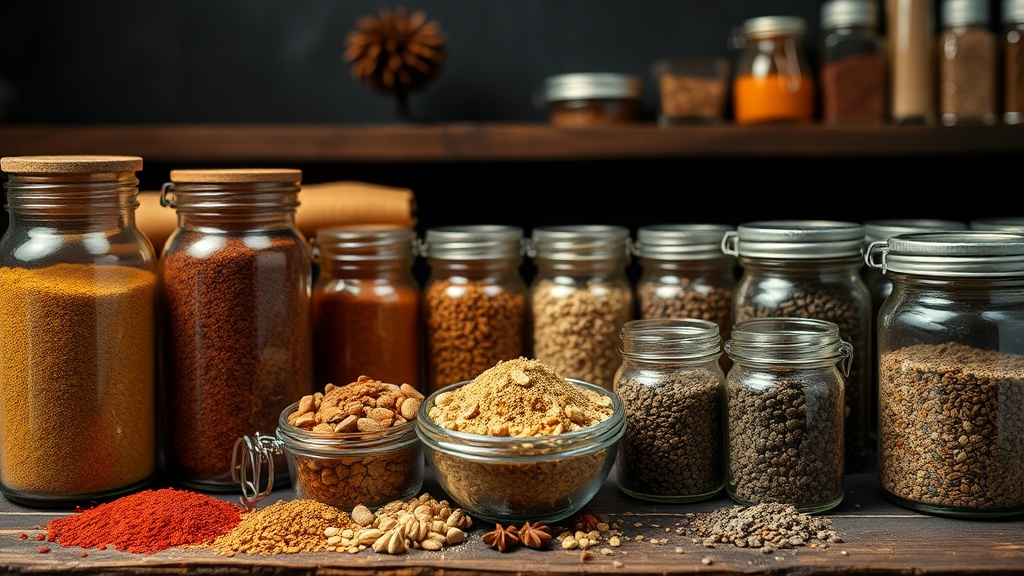
Why You Should Buy Spices in Bulk Instead of Small Jars

A shopper stands in the spice aisle of a standard grocery store, staring at a tiny 1.5-ounce jar of smoked paprika. The price tag reads $5.99. They look at the shelf next to it, seeing a dozen different varieties of the same spice, all priced similarly despite the vastly different volumes. This is a classic example of the "convenience tax" in action—a hidden cost that drains your grocery budget one teaspoon at a time without you even noticing it.
Buying spices in bulk is one of the most effective ways to lower your monthly food expenditure while actually improving the quality of your cooking. When you buy those small, branded glass jars, you aren't just paying for the spice; you are paying for the glass, the label, the marketing, and the shelf space in a high-end grocery store. This post breaks down the math behind bulk spice buying, identifies where to find the best value, and explains how to store your inventory so nothing goes to waste.
The Math of the Spice Aisle
To understand why small jars are a bad investment, you have to look at the price per ounce. Most standard spice jars in a typical supermarket contain between 1 and 2 ounces of product. If you are buying a jar of cumin for $4.50, you are paying roughly $2.25 to $4.50 per ounce. That is an astronomical markup for a dried plant part.
Now, consider the alternative. If you head to a wholesale club like Costco or a dedicated ethnic grocer in a neighborhood like South Philly or Jackson Heights, you can often find much larger quantities for a fraction of the cost. A large bag of cumin or even a bulk container of garlic powder can bring your cost down to $0.50 or $0.75 per ounce. That is a 70% to 80% savings on a single ingredient. Over the course of a year, if you are cooking at home regularly, these savings add up to hundreds of dollars that can be redirected toward higher-quality proteins or fresh produce.
The "convenience tax" is particularly steep for spices you use frequently. If your weekly meal prep involves chili powder, cinnamon, or oregano, you are essentially paying a premium for the ability to have a small, pretty jar on your counter. By switching to bulk, you are prioritizing your bank account over aesthetic kitchen organization.
Where to Source High-Quality Bulk Spices
You shouldn't just buy any bulk spice; you want to ensure you aren't buying "dust" that has been sitting in a warehouse for three years. Here is where to look for the best balance of price and potency:
- Ethnic Grocery Stores: This is the gold standard for budget-friendly spices. Indian grocery stores (often found in many suburban strip malls now) have incredible selections of turmeric, cardamom, and cumin. Mexican markets are the best places for large bags of dried chilies and high-quality cinnamon. These stores prioritize volume and turnover, meaning the spices are often fresher and much cheaper than the "specialty" versions in mainstream stores.
- Warehouse Clubs: Stores like Costco or Sam's Club offer large-format containers of the "staples"—the things you use every single day. Think garlic powder, onion powder, black pepper, and sea salt. These are reliable, high-volume options that keep your cost-per-use extremely low.
- Online Bulk Suppliers:ers: Websites like Penzeys Spices or even specialized vendors on Amazon allow you to buy by the pound. While shipping costs can sometimes eat into your savings, if you are ordering a large variety of spices at once, the math usually still favors the bulk order.
- The International Aisle: Even in a standard grocery store, the international aisle often carries larger bags of spices (like large bags of curry powder or garam masala) that are significantly cheaper than the small jars in the baking aisle.
The Essential Bulk Spice List
If you are transitioning from small jars to bulk, don't try to buy everything at once. Start with a "Core Essentials" list. These are the spices that have a long shelf life and high usage rates. Buying these in bulk provides the immediate highest return on your investment.
The Foundations (Buy these first)
These are the heavy hitters that go into almost everything. They are cheap in bulk and rarely go bad if kept dry.
- Garlic Powder: Essential for seasoning meats, vegetables, and grains.
- Cumin: The backbone of many savory dishes, from chili to taco seasoning.
- Smoked Paprika: Adds depth and color to much more than just Spanish dishes.
- Black Peppercorns: Buy whole peppercorns in bulk and grind them yourself; the flavor difference is massive, and it's much cheaper than pre-ground pepper.
- Cinnamon: Essential for both sweet and savory (like Moroccan stews) applications.
The Flavor Boosters (Buy when you have a specific recipe in mind)
These are great to have on hand, but you don't need a massive stash unless you use them weekly.
- Red Pepper Flakes: Great for adding heat to pasta or pizza.
- Turmeric: Excellent for anti-inflammatory benefits and color in rice or soups.
- Dried Oregano: A staple for Mediterranean-style cooking.
- Curry Powder: A versatile way to add instant complexity to vegetables or legumes.
Storage Strategies to Prevent Waste
The biggest argument against buying bulk is the fear of the spices going stale before you use them. This is a valid concern. If you buy a massive bag of dried thyme and it sits in your pantry for two years, it will eventually lose its potency and become useless. To prevent this, you need a system.
First, never buy spices in large quantities unless you have a plan to use them. If a recipe calls for a teaspoon of a niche spice, don't buy a five-pound bag. Only go bulk for the items you use at least once a week. This keeps your inventory turning over and ensures you are always using relatively fresh product.
Second, invest in airtight glass containers. Plastic containers are porous and can allow odors to seep in or spices to lose their essential oils. Small, uniform glass jars with airtight seals (like those found at many dollar stores or discount home goods shops) are perfect. When you buy a large bag of a spice, immediately transfer a small amount into your "working jar" and put the rest in a sealed container for long-term storage.
Third, control your environment. Heat, light, and moisture are the three enemies of spice potency. Never store your spices directly above the stove or near the oven. The heat and steam from cooking will degrade the oils in the spices rapidly. Keep them in a cool, dark pantry or a drawer away from the heat source. If you use a lot of salt or spices that can clump, keeping them in the refrigerator can actually help maintain their structure, though for most people, a cool, dark pantry is sufficient.
Maximizing Your Flavor on a Budget
Once you have your bulk spices organized, you can start using them to elevate much cheaper ingredients. Instead of buying expensive pre-marinated meats or pre-seasoned frozen meals, you can take a basic, low-cost protein and make it taste incredible. For example, a plain bag of dried lentils or a large tub of cheap white rice becomes a gourmet meal when you hit it with high-quality, bulk-bought cumin, turmeric, and coriander.
This approach also ties into other smart shopping habits. When you are building a pantry of high-impact spices, you can rely more on healthy pantry staples that cost less than $2 per pound to create variety in your diet. A well-stocked spice cabinet is the difference between eating "boring" budget food and eating delicious, nutrient-dense food that just happens to be affordable.
Stop paying the "pretty jar" tax. Go to the local market, grab the larger volume, and start investing your money in actual food rather than the packaging it comes in.