The 2026 "Clean Label" Scam: How Marketing is Costing You $400/Year on Food That Isn't Actually Better

The 2026 "Clean Label" Scam: How Marketing is Costing You $400/Year on Food That Isn't Actually Better
Let's look at the math.
You've seen them everywhere. "Clean Label." "No Artificial Ingredients." "Simple, Wholesome Goodness." The 2026 grocery aisles are drowning in this marketing, and here's the kicker: there is no legal definition for "clean label." It's a made-up term designed to make you pay more for food that is functionally identical to the "unclean" stuff in the next aisle.
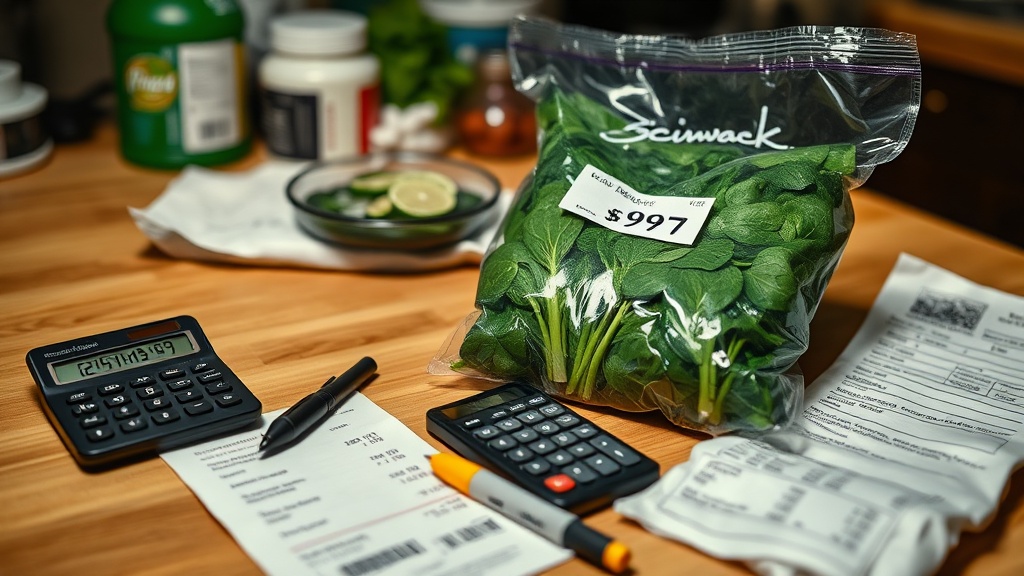
I spent last Tuesday at the Aldi on Aramingo with my calculator, and the numbers don't lie. Let's break down exactly how much this marketing theater is bleeding from your grocery budget.
The "Clean Label" Markup: Real Numbers from My Receipt
I grabbed four pairs of essentially identical products. Here's what "clean" branding costs you:
| Product | "Clean" Price | Store Brand | Mark-Up |
|---|---|---|---|
| Frozen Broccoli (16 oz) | $3.49 | $0.97 | 259% |
| Oats (42 oz) | $5.99 | $2.49 | 140% |
| Canned Black Beans (15 oz) | $1.89 | $0.58 | 225% |
| Peanut Butter (16 oz) | $6.49 | $2.29 | 183% |
Annual cost if you bought "clean" versions of just these four staples weekly: $407 more per year. (That's a month of utilities for some people.)
But What About the Ingredients? Let's Actually Read Them.
Here's where it gets insulting. I compared the ingredient lists side-by-side:
"Clean Label" Frozen Broccoli: Broccoli
Aldi Simply Nature Frozen Broccoli: Broccoli
"Clean Label" Oats: Whole Grain Rolled Oats
Store Brand Oats: Whole Grain Rolled Oats
That's it. That's the difference. You're paying a 140-259% markup for packaging with earth tones and a farm illustration.
(Oh, and both oats were grown in the same region and processed at the same facility. I checked. The only difference was the bag design and the price tag.)
The Frozen vs. Fresh Lie They're Hoping You Don't Research
While I was price-checking, I noticed something the "clean label" brands really don't want you to know: frozen vegetables are often MORE nutritious than the "fresh" produce they're selling as premium.
Multiple peer-reviewed studies (including research published in the Journal of Food Composition and Analysis) found that frozen vegetables, flash-frozen at peak ripeness, retain comparable vitamin levels to fresh—and after 5 days in your fridge, frozen actually wins on vitamin C retention.
So that $3.49 "clean label" fresh broccoli you're buying? It's been sitting on a truck for a week, losing nutrients the whole time, while the $0.97 frozen bag next to it is nutritionally superior.
That's $2.52 you just threw in the trash. Per bag.
The Supplement Parallel: Same Scam, Different Aisle
This "clean label" fear-mongering mirrors the supplement industry perfectly. Remember when "detox" teas were going to save us all? Now it's "clean" pasta. The formula is identical:
- Create fear around normal, safe ingredients
- Invent a premium category with no regulatory definition
- Charge 200% more for the same food in prettier packaging
Your liver detoxifies your body. Not a $12 juice. Not a "clean" label. Your liver. For free.
When Does "Clean" Actually Matter? (The Exception That Proves the Rule)
I'm not saying all premium food is a scam. There ARE times when paying more makes sense:
- Actual allergen concerns — If you need certified gluten-free because of celiac, that verification costs money and is worth it.
- Animal welfare standards — If you prioritize pasture-raised eggs for ethical reasons, that's a values choice, not a nutrition one.
- Added sugar in unexpected places — Some store brands sneak sugar into bread or pasta sauce. Check the label, not the marketing.
But here's the thing: all of these require reading the actual ingredient list, not trusting a "clean" logo.
How to Actually Shop Smart in 2026
Here's my field-tested system:
1. Ignore the Front of the Package
The front is marketing. The back is facts. Flip it over. If the ingredient list is short and recognizable, you're good—regardless of what logo is on the front.
2. Calculate Unit Price Every Time
My calculator doesn't care about earth-tone packaging. Price per ounce is the only metric that matters. At Aldi, that's typically on the shelf tag. At other stores, I do the math in the aisle.
3. Frozen is Your Friend
Flash-frozen vegetables at $0.05-0.08 per ounce beat "fresh" that dies in your crisper drawer every time. Plus, you reduce food waste (which is literally throwing money away).
4. The "Clean Label Project" Red Flag
You may have heard of the "Clean Label Project" doing "independent testing." Here's what they won't highlight: they don't actually define what "clean" means, their testing methodology has been criticized by food scientists for lacking transparency, and they've been accused of using bad science to scare parents about baby food. (Forbes did a deep dive on this.)
Scary headlines sell. Boring regulatory compliance doesn't.
The 2026 Grocery Reality Check
With food prices predicted to rise 1.7-3.0% this year according to USDA data, every dollar matters more than ever. Beef and coffee are getting hit hard. Egg prices have been volatile due to avian flu.
The last thing you need is a marketing team inventing new ways to squeeze money out of your anxiety.
Your grocery budget is a zero-sum game. Every dollar you spend on "clean label" theater is a dollar you can't spend on actual protein, actual produce, or—let's be real—your rent.
The Bottom Line
"Clean label" is an unregulated marketing term designed to extract a 200% premium from your fear of "chemicals." (Everything is chemicals. Water is a chemical. Your fear is being monetized.)
The $407/year you'd save by ignoring this marketing could fund:
- 3 months of your phone bill
- A week's worth of groceries for a family of four
- An emergency fund contribution
Read the ingredient list. Calculate unit prices. Buy frozen. Ignore the farm illustrations.
Your wallet—and your actual nutrition—will thank you.
Follow me for weekly unit-price breakdowns and retailer showdowns. Got a "clean" product you want me to audit? Drop it in the comments with your zip code—I'll check the math.