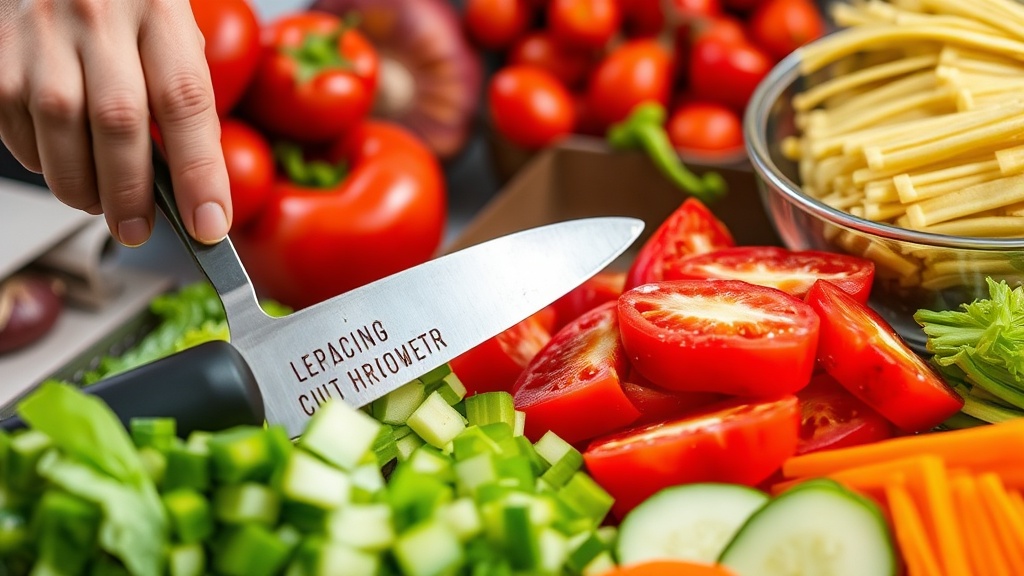
Stop Paying for Pre-Cut Produce and Fancy Packaging

The Hidden Tax on Your Grocery Receipt
You're standing in the produce aisle, staring at a plastic container of pre-sliced mango or a bag of pre-washed kale. It looks convenient. It looks efficient. But if you look closer at the price per ounce, you're actually paying a premium for someone else to do about five minutes of knife work. That's not a convenience fee; it's a markup on your time and the company's labor. When you buy the whole fruit or the head of lettuce, you're buying the raw commodity. When you buy the sliced version, you're buying a finished product with a much higher price tag. This is one of the easiest ways to bleed your food budget dry without even realizing it.
Let's look at the math. A whole watermelon might cost a few dollars, while a pre-cut bowl of fruit could cost three times that amount for a fraction of the weight. The same goes for bagged salad mixes versus a head of romaine. You're paying for the plastic, the processing, and the marketing. I spent years seeing how people struggle to make ends meet while being told they need "premium" products to stay healthy. The truth is, the nutrition is exactly the same. The difference is just the amount of work you're willing to do at your kitchen counter.
Is buying whole vegetables actually cheaper?
Short answer: almost always. Long answer: it depends on your ability to manage waste. If you buy a massive head of cabbage because it's cheap, but then it rots in your crisper drawer because you didn't use it, you've lost money. The goal isn't just to buy the cheapest item; it's to buy the item that actually ends up in your mouth. To win this game, you need a strategy for shelf life and prep work.
When you buy whole vegetables, you're gaining control over the lifecycle of your food. A whole carrot lasts much longer in a drawer than a bag of baby carrots that have been peeled and exposed to air. A head of garlic stays good for months; a jar of pre-minced garlic is a recipe for mold and a higher price point. To make this work, you have to embrace a bit of "prep-ahead" culture. Spend thirty minutes on a Sunday chopping your onions, carrots, and celery. You aren't just saving money; you're building a foundation for the rest of your week.
The Cost of Convenience vs. The Cost of Time
People often argue, "I don't have time to chop vegetables." I hear that all the time. But we have to be honest about what we're actually paying for. If you're buying pre-cut veggies to save time, you're essentially outsourcing a chore to a corporation. If you can't afford the extra $3 or $4 per item, then you can't afford to outsource that chore. You either find the time to do it, or you find a way to make the whole food work for you.
Consider the humble potato. A bag of frozen, pre-washed, peeled potato cubes is significantly more expensive than a five-pound bag of whole russet potatoes. If you're making a stew or a roast, why pay the extra for the processing? You can peel and chop those potatoes in under five minutes. It’s about shifting your mindset from a consumer of "ready-to-eat" goods to a maker of actual meals. This is where the grit comes in—it’s about doing the work to keep your money in your pocket rather than the grocery store's register.
How do I prevent food waste with whole ingredients?
This is the biggest fear people have when they stop buying the pre-prepped stuff. "What if I chop it all and then it goes bad?" The secret is to buy in stages and use your senses. Don't buy a massive bag of spinach if you only eat it once a week. Buy a single bunch of kale, or a smaller bag of spinach, and use it up. Use the FDA guidelines to understand how to store different items to keep them fresh longer.
A good rule of thumb is to use your most perishable items first. If you buy a head of lettuce, eat that before the cabbage. If you buy a bunch of cilantro, use it in a recipe within two days. If you're worried about things going bad, learn the art of the "fridge dump." A stir-fry or a hearty soup is the best way to use up vegetables that are starting to look a little tired. A wilted carrot is still a good carrot if it's sliced thin and sautéed in a pan with some oil and salt. Don't throw money in the trash because a vegetable lost its crunch.
The "Perceived Value" Trap
Marketing teams are brilliant at making us feel like we need the "easy" version of food to be successful. They package things in ways that suggest they are higher quality. A bag of organic, pre-washed, pre-cut fruit often carries a much higher perceived value than a simple piece of fruit. But the biology of the food hasn't changed. A bruised apple is still an apple. A slightly soft tomato is still a tomato. You can use these in sauces, stews, or even smoothies. You don't need the "perfect-looking' version to get the nutrients.
If you want to track your progress, I suggest looking at your grocery receipt and highlighting every item that comes in a plastic container or is pre-sliced. Look at the total for those items. That is your "convenience tax." Your goal for next month is to lower that number by even 10%. That's how you actually start seeing the difference in your bank account. You don't need a complicated system; you just need to stop paying for the extra labor of people you'll never meet. It’s about being a smart, intentional shopper who knows that a knife and a cutting board are your best financial tools.