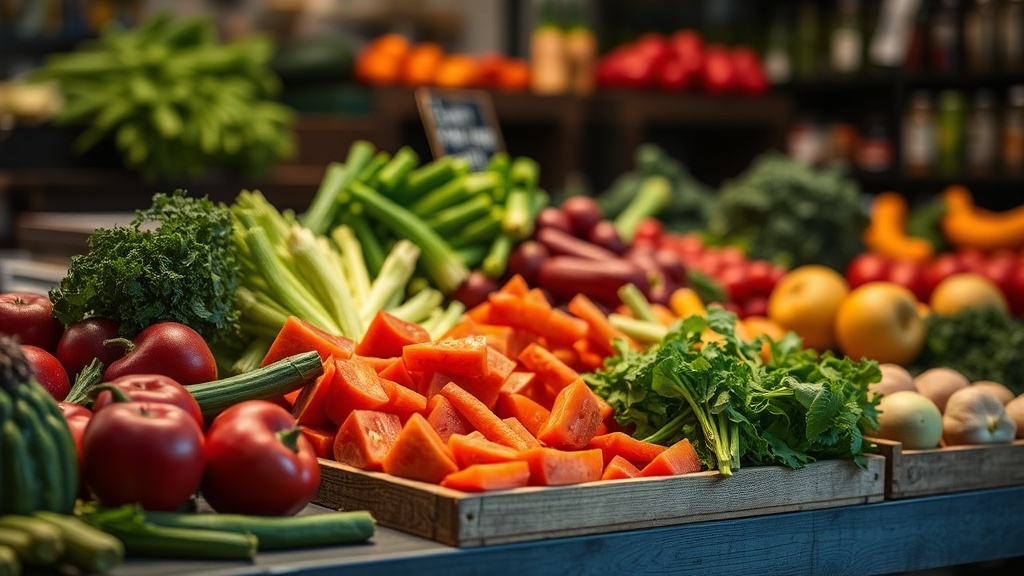
Stop Buying Pre-Cut Produce and Reclaim Your Food Budget

The High Cost of Convenience: Why Pre-Cut Produce is a Budget Killer
Most people think they are saving time by grabbing that $6 container of pre-sliced bell peppers or those tiny bags of peeled garlic. They think, "I'm too busy to chop, so this is worth the extra two minutes." That mindset is exactly how your grocery budget leaks away without you even noticing. You aren't just paying for the vegetable; you are paying a massive markup for the labor and the plastic packaging. When you buy pre-cut produce, you're essentially paying a 30% to 50% premium for someone else to hold a knife. That is money that could have gone toward higher-quality proteins or more actual food. We need to stop treating convenience as a necessity and start treating it as a luxury we can't afford on a budget.
The math doesn't lie. A whole head of cabbage might cost a dollar, while a bag of pre-shredded cabbage-style slaw can cost four dollars. The cabbage lasts longer in your fridge, too. Pre-cut produce has more surface area exposed to air, which means it oxidizes and rots much faster than the whole version. You're paying more for something that will likely end up in the trash sooner. If you want to eat well without breaking the bank, you have to get comfortable with a little bit of manual labor in the kitchen. It's not about being a gourmet chef; it's about being a smart consumer.
Is Buying Whole Vegetables Actually Cheaper?
Absolutely. To see the real difference, you have to look at the price per ounce, not the price per bag. Let's look at a common example: onions. A bag of whole onions is almost always the best deal, but even pre-peeled onions are a trap. If you buy a bag of whole yellow onions, you can peel and chop them once a week and keep them in a container. You’re saving significant money over the course of a month. This applies to almost everything—carrots, celery, even fruit like melons. A whole watermelon is a fraction of the cost of those pre-cut fruit bowls sitting in the deli section.
When you buy whole, you also gain control over what you're actually eating. Pre-cut produce often sits in plastic containers under grocery store lights for days before you even buy it. By the time it hits your cart, it might already be starting to wilt. When you buy the whole vegetable, you decide the freshness level. You can even buy slightly bruised produce if you're on a strict budget—that's perfect for smoothies or soups—but the pre-cut stuff is often a gamble on quality. Check out the CDC guidelines on food safety if you're worried about handling raw produce, but generally, a little washing and a sharp knife are all you need.
How Can I Prep Produce Faster Without Spending More?
The biggest excuse for buying pre-cut is the time it takes. But you don't need a culinary degree to speed this up. The trick isn't to prep every single day; it's to prep once a week. I call this the "Batch and Chill" method. Instead of chopping one onion every time you cook, spend fifteen minutes on Sunday chopping three or four. It's a small investment of time that yields a massive return in both time and money during the week. Use a decent knife—you don't need a Japanese steel masterpiece, just something sharp—and you'll find that chopping actually becomes a mindless, almost meditative task.
Here is a simple way to approach your weekly prep:
- The Sunday Session: Pick one day a week to do your heavy lifting.
- Wash and Dry: Wash your greens and veggies immediately after getting home from the store. If they are dry, they last longer.
- Storage is Key: Use airtight containers or glass jars. If you prep onions, keep them in a sealed container so they don't make your whole fridge smell like an onion field.
- Don't Overthink It: You don't need fancy tools. A basic cutting board and a chef's knife are enough.
If you find yourself truly struggling with time, look for the "ugly" produce. Many stores have a section for slightly bruised or oddly shaped vegetables that are significantly cheaper. They aren't pre-cut, but they are a steal. You can chop them up, cook them into a stew, or blend them into a sauce, and the flavor is identical to the "perfect" looking ones.
Can I Buy Frozen Veggies Instead of Fresh?
This is a great question for those of us trying to stretch a dollar. The answer is a resounding yes. In many cases, frozen vegetables are actually more nutritious and much cheaper than fresh ones. Because they are flash-frozen at the peak of ripeness, they retain their vitamins without the risk of wilting in your crisper drawer. They also come pre-washed and pre-chopped, which solves your "I don't have time" problem without the massive markup of the deli section. If you're on a budget, your freezer is your best friend.
Frozen peas, corn, spinach, and broccoli are staples for a reason. They are virtually indestructible in the pantry and won't go bad if you forget about them for a few days. If you're looking for a way to add nutrients to a cheap meal like rice and beans, a handful of frozen spinach or frozen cauliflower rice is a way more efficient way to eat well than buying expensive fresh-cut bags. You can find more data on the nutritional density of frozen vs. fresh on sites like Healthline.
| Produce Item | Pre-Cut Price (Avg) | Whole Price (Avg) | Savings Potential |
|---|---|---|---|
| Bell Peppers | $4.99 (Bag) | $1.50 (3 Peppers) | High |
| Onions | $3.00 (Peeled/Sliced) | $0.80 (Bag) | Very High |
| Carrots | $2.50 (Matchstick) | $0.90 (Whole Bag) | Moderate |
| Celery | $3.50 (Chopped) | $1.50 (Whole Head) | Moderate |
Stop letting the convenience trap drain your bank account. It's a slow way to go broke, one $5 bag of pre-cut peppers at a time. Grab a single knife, a cutting board, and a bit of grit. You'll save enough money over a few months to actually afford the things that matter. Real food doesn't come in a pretty, pre-sliced package—it comes in a whole form, and it's much cheaper that way.