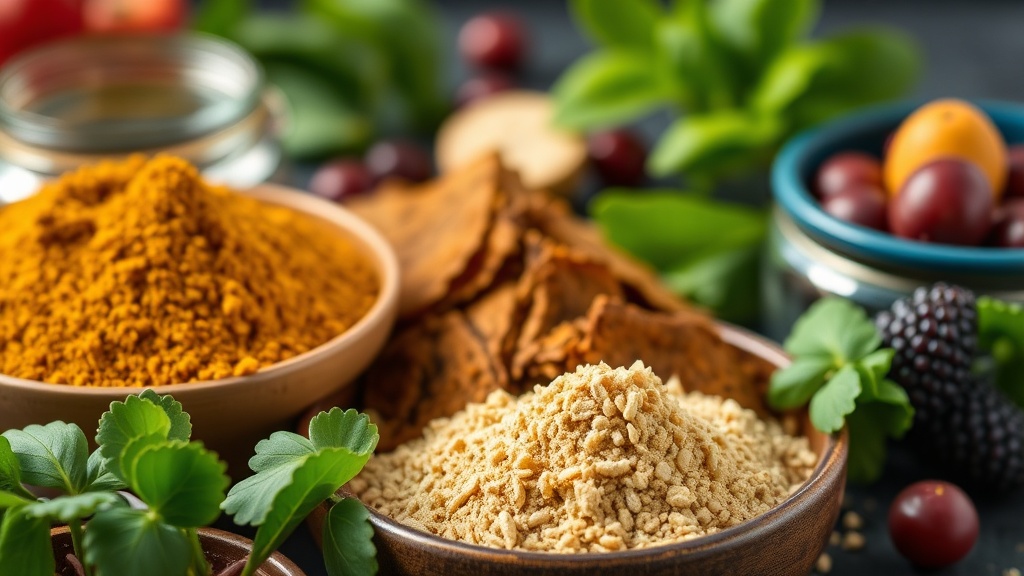
Stop Buying Expensive Superfood Powders and Just Eat the Real Thing

The wellness industry wants you to believe that health is something you scoop out of a $35 tub of bright green powder. They've convinced a generation that you need specialized, highly processed "superfood blends" to get your micronutrients. Here’s the reality: most of those expensive powders are just dehydrated greens with a massive markup. You aren't paying for better nutrition; you're paying for the branding and the fancy packaging. If you want the vitamins, minerals, and antioxidants your body actually needs, you don't need a specialized supplement-grade powder—you just need a smarter way to buy and prepare real food.
I spent years in social work seeing how people get stuck in the cycle of trying to "eat well" by buying expensive wellness trends that leave their bank accounts empty. Real nutrition isn't found in a single-ingredient trendy powder; it's found in the variety of whole foods that don't require a subscription. We're going to look at why the math doesn't add up for most powders and how you can get those same nutrients from much cheaper, more effective sources.
Is Green Powder Better Than Whole Vegetables?
Let's look at the math. A high-end greens powder often costs anywhere from $1.50 to $3.00 per serving. That might not sound like much until you realize that same amount of money could buy you a massive bag of spinach, a head of broccoli, or a bunch of kale. When you eat the whole vegetable, you aren't just getting the micronutrients; you're getting the fiber. Fiber is the one thing those powders often lack, and it's the very thing that keeps your digestion on track and your blood sugar stable. Without fiber, you're just drinking a nutrient-dense liquid that hits your bloodstream much faster, which isn't always a good thing.
The biggest lie in the supplement aisle is that you're "missing" something unless you supplement. While some people might benefit from specific nutrients, the vast majority of us can meet our needs through a diverse diet. According to the Academy of Nutrition and Dietetics, a diet rich in whole fruits, vegetables, and whole grains is the foundation of health. You don't need a proprietary blend of algae and wheatgrass to be healthy. You just need to make sure your plate has some color on it.
Can I Get My Nutrients from Frozen Produce?
If you're trying to stick to a budget, the answer is a resounding yes. In fact, I'll go a step further: frozen produce is often a better choice than the "fresh" stuff sitting in the middle of the grocery store. Most produce in the center aisles has spent days, sometimes weeks, in transit. During that time, it loses nutritional value. Frozen vegetables, however, are usually flash-frozen at the peak of ripeness. This process locks in the vitamins and minerals right when they are at their highest level.
Think about it—if you buy a bag of frozen spinach, there is zero waste. No wilted leaves at the bottom of the crisper drawer, no rotting organic matter in the compost bin, and no wasted money. You use exactly what you need for your meal, and the rest stays safe in the freezer. This is a high-level strategy for anyone trying to maximize their nutrition-per-dollar ratio. If you want to check the nutritional density of various foods, the USDA FoodData Central is a great resource to see how real food stacks up against any supplement claim.
Comparing the Cost of Nutrition
To keep this practical, I've put together a quick comparison of what a typical "wellness-focused" shopping trip looks like versus a "smart-budget" shopping trip. This isn't about being perfect; it's about being smart with your money.
| Item Type | Typical Cost | Nutrient Profile |
|---|---|---|
| Premium Greens Powder (30 servings) | $60.00 | Micronutrients, Low Fiber |
| Large Bag of Frozen Spinach & Broccoli | $6.00 | High Micronutrients, High Fiber |
| "Organic" Bio-Hacking Smoothies | $12.00/each | High Sugar, Moderate Nutrients |
| Homemade Smoothie (Banana, Oats, Spinach, Peanut Butter) | ~$1.25/each | High Fiber, Balanced Nutrients |
The difference in cost is staggering. If you're spending $60 on a tub of powder, you're essentially paying for the convenience of not having to chew. But you're also losing the satiety that comes with eating real food. When you're on a budget, every dollar spent on a "trend" is a dollar that isn't going toward a high-quality protein or a versatile grain.
How Do I Replace Supplements with Real Food?
The goal isn't to live on a single vitamin, but to build a kitchen that provides variety. If you're worried about iron, don't look for an iron supplement; look for lentils, beans, or even cheap cuts of red meat. If you're worried about Vitamin C, skip the expensive citrus extracts and buy a bag of oranges or even a large bag of frozen peppers. The key is to find the most affordable, nutrient-dense version of that food.
One of my favorite ways to get a "nutrient hit" without the cost is by using canned beans and vegetables. Canned goods are incredibly shelf-stable and often much cheaper than fresh. Just make sure you rinse your beans to reduce the sodium content. A can of chickpeas or black beans is a powerhouse of nutrition that costs pennies per serving. You can toss them into a salad, a soup, or even blend them into a sauce. This isn't just about saving money; it's about building a pantry that works for you, not against you.
The "Real Food" Strategy
Stop looking at the supplement aisle and start looking at the bulk bins and the freezer section. That is where the actual value lives. A "superfood" is just a marketing term. A real superfood is whatever is currently in season and affordable in your area. If kale is too expensive this week, buy cabbage. If blueberries are a luxury, buy frozen mixed berries. The nutritional value doesn't change just because the price tag does.
I want you to stop feeling guilty about not having the latest "wellness" products. You don't need them. You need a plan, a little bit of grit, and a willingness to look past the shiny packaging. When you focus on the math of your grocery list, you'll realize that you can eat incredibly well without ever touching a single scoop of green powder. Eat real food, keep it simple, and keep your money in your pocket where it belongs.