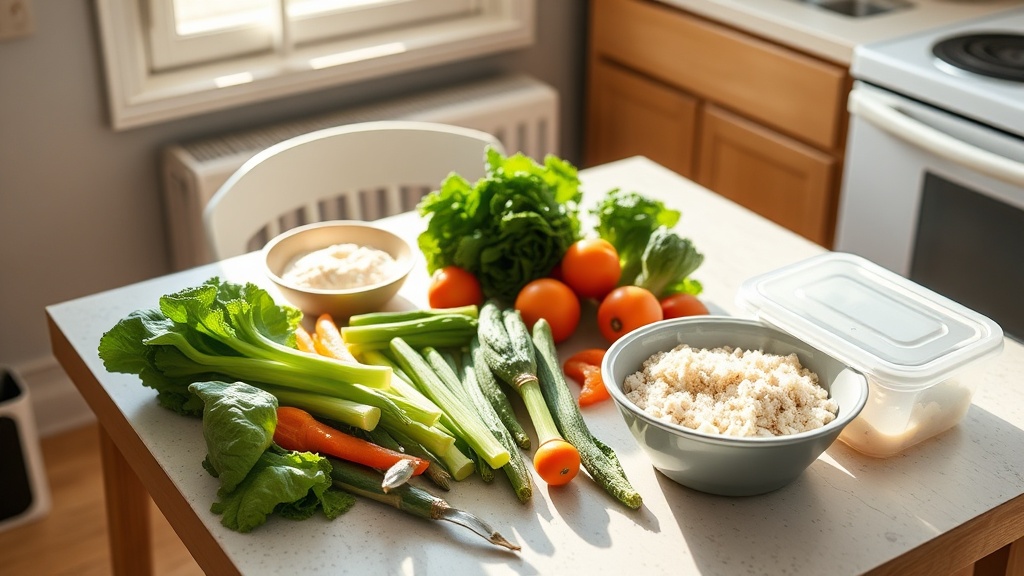
Spring 2026 Food Trends That Won’t Break Your Wallet

Hook:
Spring is rolling in with fresh produce, new flavors, and a wave of food hype. But can you chase the trends without draining your wallet? Absolutely—if you know which trends are truly budget‑friendly and where to snag the deals.
Context:
As a former social worker turned budget‑health advocate, I’ve seen the hype cycle cost families hundreds each season. This guide cuts through the noise, giving you the data‑driven scoop on what’s worth trying and how to keep the price per plate low.
What are the top spring food trends for 2026?
- Plant‑based “flex” meals – More consumers are adding a meat‑free day each week, driven by sustainability concerns.
- Global spice bursts – Think za’atar, sumac, and Korean gochujang making their way into everyday dishes.
- Regenerative‑grown produce – Farmers are marketing “regenerative” lettuce and carrots as premium items.
- Zero‑waste pantry staples – Bulk‑filled jars of fermented hot sauce, miso, and oat milk.
- Functional snacks – Protein‑packed bars infused with collagen or adaptogens.
Source: Food & Wine’s “2026 Spring Food Trends” report (2025) – https://www.foodandwine.com/trends/spring-2026-food-trends
Which of these trends are truly budget‑friendly?
| Trend | Typical Cost Impact | Budget Tip |
|---|---|---|
| Plant‑based flex meals | Slight increase (≈ $0.30/serving) | Buy bulk tofu or canned beans; compare unit prices (see our Unit‑Pricing Masterclass). |
| Global spice bursts | Moderate (spice jars $3‑$7) | Purchase at the Aldi vs Lidl vs Trader Joe’s discount sections; small containers last months. |
| Regenerative produce | Higher premium (≈ 15% over conventional) | Focus on Spring Farmer’s Market stalls where local growers often offer “market day” deals. |
| Zero‑waste pantry staples | Varies; bulk jars can be cheap per ounce | |
| Functional snacks | Usually pricey (≈ $1.50‑$2 per bar) | Skip pre‑packaged bars; make your own budget-friendly spring snacks using oats and seasonal fruit. |
How can I incorporate these trends without overspending?
- Plan a “trend‑swap” week. Replace one regular protein with a plant‑based option and use the saved cash for a new spice.
- Batch‑cook spice blends. Mix a large batch of za’atar or gochujang and freeze in portion‑size bags – the cost per teaspoon drops dramatically.
- Leverage loyalty programs. Our 5 Grocery Loyalty Programs list shows which cards give extra discounts on regenerative produce.
- Use the price‑per‑gram calculator from the Real Cost of Protein to see if a pricey protein is worth the trend hype.
- DIY functional snacks. Blend oats, banana, and a scoop of peanut butter, then bake – you get a protein bar for under $0.30.
Where can I find the best deals on trend ingredients?
- Weekly circulars – Aldi’s “Spring Fresh” flyer (see 2026 Grocery Price Outlook) highlights discounted regenerative greens.
- Digital coupons – Apps like Ibotta and Fetch Rewards often feature plant‑based protein promos.
- Bulk clubs – Even if you’re not a member, many Costco and Sam’s Club locations allow “guest shoppers” for a day; compare bulk tofu vs individual packs.
- Farmers market “early‑bird” hours – Arrive at opening for the first‑pick discounts on regenerative produce.
What’s a quick, on‑trend recipe I can try tonight?
Spicy Za’atar Chickpea Bowl (serves 2, <$2 total)
- 1 can chickpeas, drained – $0.80
- 1 tbsp olive oil – $0.10
- 1 tsp za’atar (store‑brand) – $0.05
- 1 cup cooked rice (leftover) – $0.20
- Handful of spring greens (baby kale) – $0.30
- Lemon wedge – $0.05
Directions:
- Toss chickpeas with oil and za’atar; roast 12 min at 400°F.
- Layer rice, greens, and roasted chickpeas in a bowl.
- Squeeze lemon, stir, and enjoy.
Tip: Use the Grocery Price Comparison Spreadsheet to verify you’re getting the best price on chickpeas.
Takeaway
Spring 2026 brings exciting food trends, but you don’t need a boutique grocery budget to join the fun. By focusing on plant‑based swaps, bulk spices, and savvy shopping tools, you can taste the season’s best while keeping each meal under $2. Grab the spreadsheet, hit the farmers market early, and let the trends work for your wallet—not against it.
Meta FAQs
{
  "meta": {
    "faqs": [
      {"question": "Are plant‑based meals actually cheaper than meat?", "answer": "When you buy bulk tofu or beans and compare unit pricing, plant‑based meals can be $0.30‑$0.50 cheaper per serving than chicken or beef."},
      {"question": "Where can I find affordable za’atar?", "answer": "Store‑brand spice aisles at Aldi, Lidl, or Trader Joe’s often carry za’atar for $3‑$5 per jar, which works out to under a cent per use when bought in bulk."},
      {"question": "How do I track my trend ingredient spending?", "answer": "Use the 2026 Grocery Price Comparison Spreadsheet to log each purchase and see real‑time cost per gram or ounce."}
    ]
  }
}