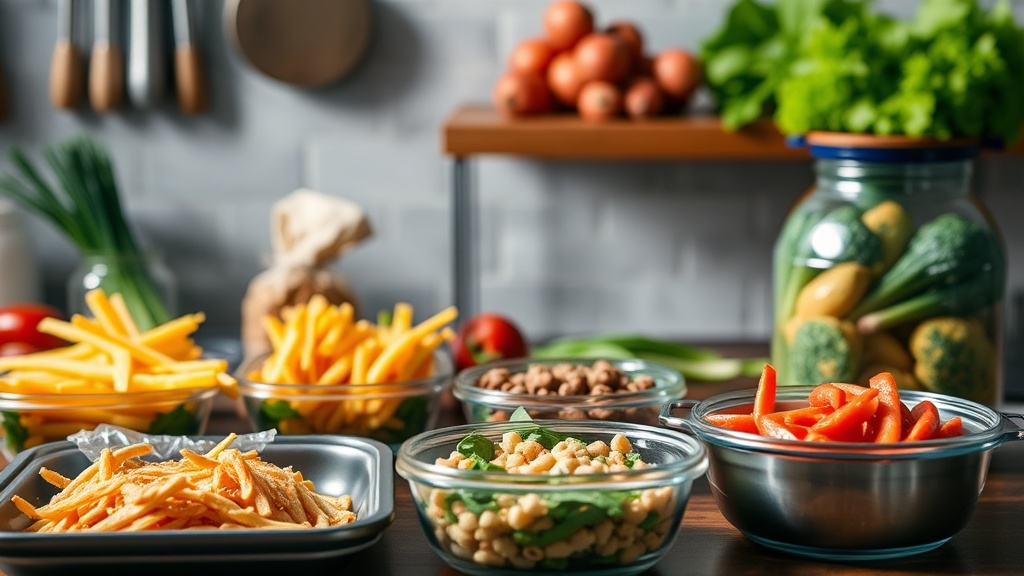
Smart Meal Prep Strategies for Eating Healthy on a Tight Budget

How Much Can You Actually Save by Meal Prepping on a Budget?
Most households drop between $200 and $400 monthly on takeout and last-minute grocery runs. Meal prepping—cooking batches ahead and portioning them for the week—cuts that number by 40 to 60 percent. That's not theoretical. That's math. A family spending $300 on convenience meals drops to roughly $120 to $150 by prepping at home with bulk ingredients.
The savings come from three places: buying whole foods instead of processed, eliminating impulse purchases (no more wandering Target hungry), and stretching proteins across multiple meals. That rotisserie chicken from Costco? It becomes dinner meat, next-day salad topping, and stock for soup. Three meals, one bird, $4.99.
Here's the thing—meal prep isn't about cooking seven days of sad chicken and broccoli. It's about strategic batch cooking that leaves room for flexibility. Maybe that's Tuesday tacos from Sunday's slow-cooked pork shoulder. Maybe that's Thursday grain bowls built from leftover roasted vegetables. The system works because it adapts.
Start with a realistic budget. The USDA publishes monthly food cost reports showing thrifty meal plans run about $165 per person monthly. Meal prepping lands comfortably below that mark when done right.
What Should Your Meal Prep Shopping List Actually Look Like?
Forget the Pinterest aesthetic. A real budget meal prep list prioritizes shelf-stable staples, versatile proteins, and produce that won't turn to mush by Wednesday. The goal is maximum nutrition per dollar with minimal waste.
The Staples That Matter
Dried beans and lentils cost pennies per serving. A pound of dried black beans runs about $1.50 and yields six to eight cups cooked. Compare that to canned—$0.89 per 15-ounce can for roughly 1.5 cups. The math isn't close. Yes, dried takes planning. That's kind of the point.
Grains form the foundation. Brown rice, oats, and quinoa (when it's on sale at Aldi) provide fiber and staying power. Buy the store brand. The nutritional difference between name-brand and generic? Nothing. The price difference? Thirty to forty percent.
Frozen vegetables are your secret weapon. The flash-freezing process locks in nutrients—sometimes more than "fresh" produce that's been trucked across the country. A 12-ounce bag of frozen broccoli at Lidl costs $0.89 versus $2.50 for the same weight fresh. Steam it, roast it, toss it into fried rice. It works.
Proteins That Won't Break the Bank
Chicken thighs beat chicken breasts on both flavor and price. They're forgiving, hard to overcook, and run about $1.49 per pound versus $2.99 for boneless breasts. Eggs remain the single best protein bargain—$2 to $3 per dozen, versatile, complete amino acid profile.
Canned tuna in water (StarKist or Chicken of the Sea) provides omega-3s and 20 grams of protein for roughly $0.80 per can. Peanut butter—real peanut butter with two ingredients, not the sugary stuff—offers protein and healthy fats at $2 to $4 per jar depending on brand.
| Protein Source | Cost Per Serving | Protein (g) | Best Uses |
|---|---|---|---|
| Dried lentils | $0.15 | 18g | Soups, curries, salads |
| Eggs | $0.25 | 6g | Breakfast bowls, fried rice, snacks |
| Chicken thighs | $0.75 | 26g | Roasted, shredded, stir-fried |
| Canned black beans | $0.30 | 15g | Burrito bowls, tacos, salads |
| Canned tuna | $0.80 | 20g | Salads, patties, pasta |
What Are the Best Storage Solutions for Budget Meal Preppers?
You don't need fancy glass containers. What you need is a system that keeps food safe, organized, and visible—because forgotten leftovers rot in the back of the fridge.
The Rubbermaid Brilliance line runs about $20 for a five-container set and lasts years. They're leakproof, microwave-safe, and stack efficiently. Worth noting—Mason jars cost even less ($10 to $12 per dozen quart jars) and work beautifully for salads, overnight oats, and soups. The glass doesn't hold smells. The catch? They're breakable and heavy.
Label everything. Masking tape and a Sharpie cost nothing and prevent the "when did I make this?" guessing game. Most prepped meals stay safe three to four days refrigerated. Soups and stews freeze well for three months. Cooked chicken? Two to three days max in the fridge before texture suffers.
Freezer space is your friend. A chest freezer (even a small 5-cubic-foot model from Best Buy or Home Depot for $150 to $200) pays for itself within months if you buy meat on sale and batch-cook. Freeze individual portions in reusable silicone bags (Stasher bags, about $10 each) or freezer-safe containers. Avoid cheap plastic containers that crack after two freezer cycles.
The Prep Process That Actually Works
Sunday afternoon doesn't have to mean six hours in the kitchen. The most sustainable approach? Two to three hours of focused prep that sets up the week's components rather than finished meals.
Here's the workflow: Start the slow cooker or Instant Pot with a cheap cut (chuck roast, pork shoulder) while you handle everything else. Roast two sheet pans of vegetables—root vegetables on one, cruciferous on another. Cook a big pot of grains. Hard-boil a dozen eggs. Prep one sauce or dressing (homemade vinaigrette costs $0.50 versus $3.99 bottled).
Now you've got building blocks. Monday might be grain bowls with roasted vegetables and shredded pork. Tuesday becomes tacos with the same pork, fresh cabbage, and hot sauce. Wednesday's a stir-fry using leftover rice and whatever vegetables need eating. The system adapts to what's on hand.
Batch cooking grains and legumes in bulk saves time and energy costs. A pound of dried beans cooked in the Instant Pot uses pennies of electricity versus running the stove for two hours. The Department of Energy offers appliance efficiency tips that can reduce cooking energy use by up to 50 percent with proper planning.
Smart Shopping Tactics
Shop with a list based on your prep plan—not the other way around. Sales drive the menu, not cravings. When ground turkey hits $1.99 per pound at ShopRite or Giant Eagle, buy ten pounds. Brown it with onions and garlic, portion into freezer bags, and you've got protein ready for pasta sauce, chili, or stuffed peppers.
Ethnic grocery stores (Asian markets, Mexican carnicerías, Middle Eastern shops) often beat mainstream supermarkets on produce and spices. A bunch of cilantro costs $0.50 instead of $1.99. Spices sell in bulk for a fraction of McCormick prices. That said—don't buy what you won't use. A $3 jar of sumac is only a deal if you actually cook with it.
The "reduce for quick sale" section isn't scary. Meat nearing its sell-by date is perfectly safe and typically marked down 30 to 50 percent. Freeze immediately or cook within 24 hours. Same with produce—spotty bananas become smoothie fodder. Slightly soft tomatoes become sauce.
Meal Prep Recipes That Cost Under $2 Per Serving
These aren't aspirational. They're tested, filling, and genuinely cheap.
Lentil vegetable soup: Dried lentils, onion, carrot, celery, canned tomatoes, vegetable broth. Makes eight servings for roughly $6 total. Freeze half.
Egg and vegetable breakfast burritos: Scrambled eggs, frozen peppers and onions, cheese (when it's on sale), wrapped in flour tortillas. Wrap individually in foil, freeze, microwave for 90 seconds. About $1.25 each.
Chicken and rice bowls: Chicken thighs, brown rice, frozen broccoli, soy sauce, sesame oil, garlic. Four servings for under $8.
Chickpea curry: Canned chickpeas, coconut milk, curry powder, onion, spinach (frozen works). Serve over rice. Four servings, roughly $7.
The USDA's MyPlate resources provide additional budget-friendly recipes backed by nutritional guidelines.
Common Meal Prep Mistakes That Waste Money
Prepping too much variety leads to waste. You don't need six different meals. Three solid options rotated across the week prevents decision fatigue and ingredient spoilage.
Ignoring food safety costs more than the time saved by shortcuts. The "danger zone"—40°F to 140°F—is where bacteria multiply rapidly. Cool hot foods before refrigerating (contrary to old wives' tales, this is actually safer than letting food sit out). Don't pack hot food into containers and seal immediately. Steam creates condensation, which creates sogginess and bacterial breeding grounds.
Buying containers before establishing the habit is backwards. Start with what you have—even repurposed takeout containers work temporarily. Once the routine sticks, invest in quality storage. Otherwise you're just collecting expensive Tupperware guilt.
Meal prepping isn't about perfection. It's about showing up for yourself with a plan that respects both your wallet and your time. Some weeks you'll nail it—every container filled, every meal accounted for. Other weeks you'll eat scrambled eggs three nights running because life happens. Both outcomes beat $15 takeout four times a week.
Start small. Prep three days of lunches. See how it feels. Adjust. The goal isn't Instagram-worthy containers—it's sustainable habits that keep you fed without draining your bank account.