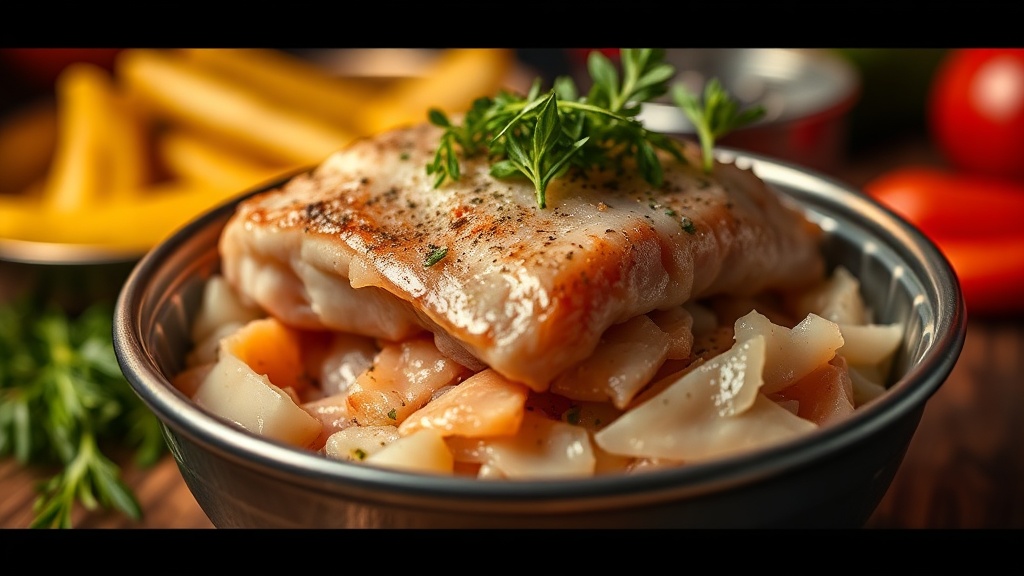
Skip the Expensive Filet: Why Canned Seafood is the Real Budget King

A single 3.75-ounce tin of sardines packed in water contains roughly 350 milligrams of calcium—that's more than you'll find in an 8-ounce glass of whole milk. Most people walk right past the "smelly fish" section of the grocery store because they think it's for survivalists or people who have given up on their social lives. That's a massive financial mistake. We're talking about a shelf-stable protein source that costs about a quarter of what you'd pay at the fresh seafood counter while delivering twice the nutrition. Fresh isn't always best for your wallet or your body, and it's time to cut through the wellness marketing that tells you otherwise.
Listen, I'm not here to tell you that a tin of mackerel looks as pretty as a seared sea bass. It doesn't. But your bank account doesn't care about aesthetics, and neither does your heart. When you buy "fresh" fish at the grocery store, you're often paying a premium for a product that was frozen on a boat, thawed behind the counter, and has been sitting on melting ice for three days. That's not fresh; it's just expensive. Canned fish is processed immediately after being caught, locking in the nutrients and preventing the waste that comes with fresh seafood spoilage. Americans throw away about 30% of the fresh seafood they buy—basically flushing ten-dollar bills down the garbage disposal. Cans don't rot in the back of your fridge.
Is canned tuna actually safe to eat every day?
This is the question that stops most people in their tracks. Mercury is a real concern, but it's not a reason to abandon the tuna aisle entirely. The key is understanding the difference between species. Skipjack (usually labeled as "chunk light") is a smaller fish with significantly lower mercury levels than Albacore ("white tuna"). The FDA and EPA guidelines suggest that even for sensitive groups, two to three servings of low-mercury fish a week is perfectly fine. If you're a healthy adult looking to maximize protein without breaking the bank, sticking to light tuna or canned salmon (which is almost always low in mercury) allows you to eat seafood multiple times a week without worry.
Don't just take my word for it—do the math. A 5-ounce can of light tuna costs about $1.20 and provides 30 grams of high-quality protein. Compare that to a fresh salmon fillet which might run you $8.00 for the same amount of protein. You're paying a 500% markup for the privilege of cooking it yourself and hoping it doesn't smell up the kitchen. Plus, canned tuna is an easy win for office lunches (just maybe eat it in the breakroom, not at your desk) because it requires zero prep time. Efficiency is just as important as the price tag when you're trying to stay healthy on a budget.
Can you really get enough protein from a $2 can of sardines?
Short answer: absolutely. One tin of sardines usually packs between 20 and 25 grams of protein. That's roughly the same as a four-ounce chicken breast or three large eggs. But sardines bring things to the table that chicken simply cannot—specifically Omega-3 fatty acids and Vitamin D. Most Americans are chronically low on Vitamin D, and unless you're spending all day in the sun or taking expensive supplements, fish is your best bet. According to nutritional research, the anti-inflammatory benefits of these fats are vital for heart health and brain function.
And here's the kicker: because you're eating the tiny, softened bones in sardines, you're getting a massive hit of calcium and phosphorus. It's like a multivitamin in a tin. If the idea of eating bones weirds you out, remember that they're so soft you won't even notice them once they're mashed with a bit of mustard or lemon. You're getting the kind of bone-building nutrients that people pay $40 a bottle for at specialty health stores, all for the price of a bus fare. It's the ultimate "math-over-marketing" win for your grocery list.
The Nutrition and Price Breakdown
| Fish Type | Average Cost/lb | Protein per oz | Major Benefit |
|---|---|---|---|
| Pink Salmon (Canned) | $5.50 | 6.2g | Vitamin D & Omega-3 |
| Sardines (Canned) | $7.20 | 7.0g | Calcium & Phosphorus |
| Tuna (Chunk Light) | $3.80 | 7.5g | Pure Protein/Low Calorie |
| Fresh Atlantic Salmon | $14.99+ | 5.8g | Flavor/Aesthetics |
As the table shows, the cost difference is staggering. You can buy nearly three pounds of canned pink salmon for the price of one pound of fresh. And since canned salmon is almost always wild-caught (unlike the farmed stuff at the fresh counter), you're getting a superior nutritional profile for a fraction of the cost. Farmed salmon is often treated with dyes and antibiotics—things we're trying to avoid when we talk about real health. The tin keeps things honest.
How do you make canned fish taste like a real meal?
This is where the "budget health" strategy meets reality. If you just open a can and eat it with a fork, you're going to get bored (and probably a bit grossed out) pretty fast. The secret to enjoying canned seafood is acid and texture. A squeeze of lemon juice or a teaspoon of dijon mustard cuts through the oiliness of mackerel or sardines. If you're using canned salmon, treat it like a crab cake. Mix it with an egg, some breadcrumbs (or crushed crackers), and some old bay seasoning, then sear it in a pan. Suddenly, that $2.00 can is a high-end dinner that tastes like it cost $20.00.
Another pro-tip: don't sleep on the pasta path. Tossing a tin of sardines into a pan with some garlic, red pepper flakes, and olive oil creates a classic Italian meal (Pasta con le Sarde) for pennies. The fish dissolves into the sauce, giving it a salty, savory depth without being overly "fishy." It's a way to use pantry staples to create something that feels sophisticated. You're not "settling" for canned food; you're using a versatile ingredient that top chefs have used for centuries. Stop thinking of it as poverty food and start thinking of it as a strategic kitchen tool.
Beyond the personal health benefits, there's the sustainability angle to consider. Smaller fish like sardines and mackerel are much lower on the food chain, which means they reproduce quickly and are less likely to be overfished. By choosing these over the big predatory fish like swordfish or tuna, you're making a better choice for the oceans. The Monterey Bay Aquarium Seafood Watch often lists smaller canned fish as "Best Choices" for sustainability. It's rare that the cheapest option is also the most ethical and the most nutritious, but in the canned seafood aisle, that's exactly what you're getting. No BS, just math and better health.
The next time you're at the store, skip the melting ice counter. Head to the middle aisles and look for the tins. Start with canned pink salmon or light tuna if you're nervous, then work your way up to the heavy hitters like sardines and mackerel. Your budget will thank you, and your body will get the nutrients it actually needs instead of the ones wellness influencers are trying to sell you. It's about being smart with your dollars and even smarter with your diet.