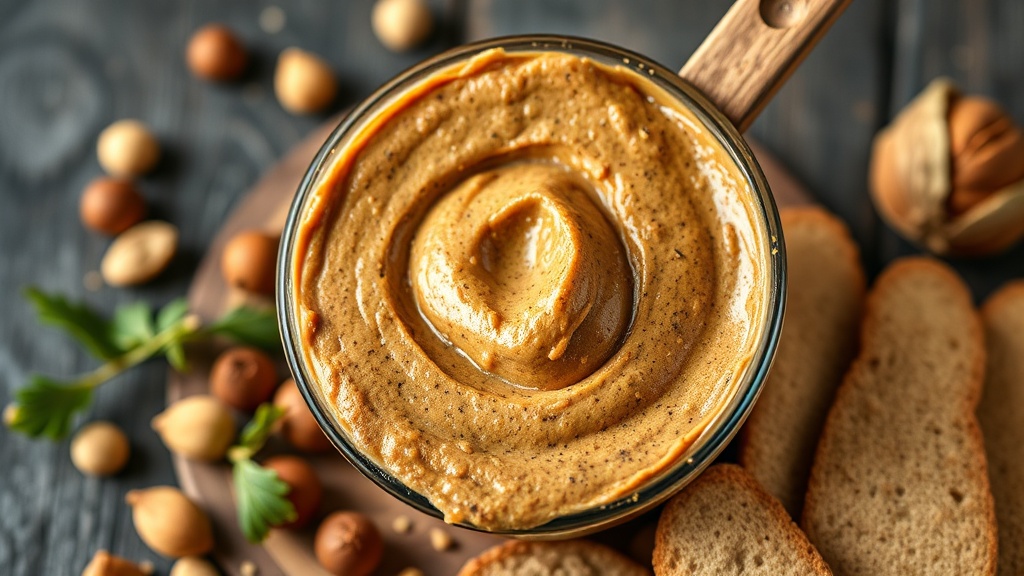
Make Your Own Nut Butters at Home to Save Money

This post teaches you how to make your own nut butters at home to slash your grocery bill and control ingredient quality. You'll learn the math behind the savings, the gear you actually need, and the step-by-step process for making almond, peanut, and sunflower seed butters. Making your own isn't just about saving pennies—it's about knowing exactly what is (or isn't) going into your body.
How Much Does Homemade Nut Butter Save You?
Making your own nut butter typically saves you between 30% and 50% compared to buying premium, organic, or specialty brands. Let's look at the raw numbers. If you head to a store like Whole Foods and grab a jar of high-end almond butter, you're looking at a price tag often exceeding $12 to $15 per jar. That's a steep markup for a jar of paste.
When you buy bulk almonds or peanuts, the price per pound drops significantly. A 5-pound bag of peanuts is much more economical than a 16-ounce jar of creamy peanut butter. The math is simple: you're paying for the processing, the branding, and the fancy glass jar when you buy pre-made. When you do it yourself, you're just paying for the raw commodity.
| Type of Butter | Typical Store Price (per 16oz) | Estimated Homemade Cost (per 16oz) | Savings Percentage |
|---|---|---|---|
| Almond Butter | $14.00 | $7.50 | ~46% |
| Peanut Butter | $5.00 | $2.50 | ~50% |
| SunButter (Sunflower) | $7.00 | $4.00 | ~42% |
It's a massive difference over a year of eating. If you use nut butter daily, that's a lot of money better spent on fresh produce or high-quality proteins. (And let's be honest, most of the "premium" brands are just adding palm oil or sugar anyway—you don't need that nonsense in your kitchen.)
What Equipment Do I Need to Make Nut Butter?
You need a high-speed blender or a food processor to successfully emulsify nuts into a smooth, creamy spread. While a standard blender can work, it often struggles with the thickness of the paste. A food processor is usually the gold standard for home cooks because it handles the weight of the nuts better without burning out a motor.
If you don't want to buy a new appliance, a high-powered blender like a Vitamix or a Ninja can get the job done, but you'll need to be patient. Here is the basic toolkit:
- Food Processor: Best for general use and making larger batches.
- High-Speed Blender: Good for thinner liquids or if you're making a "nut milk" base.
- Standard Blender: Use this only if you have a very high-wattage motor.
- Rubber Spatula: To scrape the sides (you'll need this more than you think).
- Glass Storage Jars: For keeping your finished product fresh.
A quick tip: if you're using a food processor, don't expect it to be perfectly smooth in two minutes. It's a process of stages—crumb, paste, then liquid gold. You'll need to stop and scrape the sides frequently to ensure everything is getting processed evenly.
How Do I Make Nut Butter at Home?
To make nut butter, you must roast your nuts first to release their natural oils and then process them until they reach your desired consistency. Roasting is the "secret sauce" that makes the difference between a gritty paste and a professional-grade spread. It also helps the oils release more easily during the blending process.
Step 1: The Roast
Roasting is not optional if you want flavor. For peanuts or almonds, toss them on a baking sheet at 350°F (175°C) for about 10-15 minutes. You want them to be fragrant and slightly golden, but don't burn them. Burnt nuts make for bitter, ruined butter. If you're using sunflower seeds, they only need a few minutes.
Step 2: The Blend
Once the nuts are slightly cooled, toss them into your food processor. Start the motor and let it run. At first, the nuts will look like a dry powder or a thick, sandy paste. This is normal. Don't panic. Keep going. After about 5 minutes, the oils will start to bleed out, and the texture will transform.
Depending on your machine, you might need to stop every 2 minutes to scrape the sides. If the mixture is too dry and won't turn into a paste, you can add a teaspoon of a neutral oil (like avocado oil or even a tiny bit of melted coconut oil) to help the process along. But be careful—too much oil makes it greasy.
Step 3: The Flavoring
This is where you control the quality. Most store-bought brands use refined oils and high-fructose corn syrup. You don't have to. You can add sea salt, a touch of honey, or even a dash of cinnamon. If you want a savory version, skip the sweetener and just use salt.
For more information on the nutritional profiles of different nuts, you can check the USDA FoodData Central to see exactly what's in your food. It's a great way to track your macros and ensure you're getting the nutrients you need.
Common Mistakes to Avoid
The biggest mistake people make is being impatient or adding too much liquid too early. If you add water or milk too soon, you'll end up with a gritty, unappetizing sludge that won't emulsify. Stick to oils or dry ingredients only if you want a shelf-stable spread.
Another mistake is using old, rancid nuts. Nuts contain fats that can go bad. If your nuts smell "off" or taste bitter before you even start, throw them out. There's no point in wasting your time and electricity on a bad batch. To keep your homemade butter fresh, store it in the refrigerator. While it's technically shelf-stable, the lack of preservatives means it's best kept cold to prevent the oils from oxidizing.
If you are looking to maximize your kitchen efficiency, you might also be interested in transforming your leftovers into something substantial. The same logic applies here: using raw ingredients to create a staple saves you money and reduces waste.
Pro-Tip: If you want a "crunchy" version, take a handful of the roasted nuts, pulse them briefly in the processor, and then stir them into your finished smooth butter at the end. This ensures you don't over-process the bits that are supposed to stay chunky.
The bottom line: Stop paying the "convenience tax" at the grocery store. Buy the bulk bag, roast the nuts, and spend twenty minutes with your food processor. Your wallet—and your body—will thank you.
Steps
- 1
Roast your nuts or seeds to enhance flavor
- 2
Process in a high-speed blender or food processor
- 3
Add a touch of oil or honey if desired
- 4
Store in a glass jar in the refrigerator