How to Build a $30‑a‑Week Spring Meal Plan on a Tight Budget

Can you really eat well on just $30 a week?
Short answer: yes. It takes a little math, a dash of creativity, and a focus on seasonal, low‑cost ingredients. In this guide I break down exactly how to turn $30 into a full week of tasty, nutrient‑dense meals that feel like spring.
Why spring makes budgeting easier
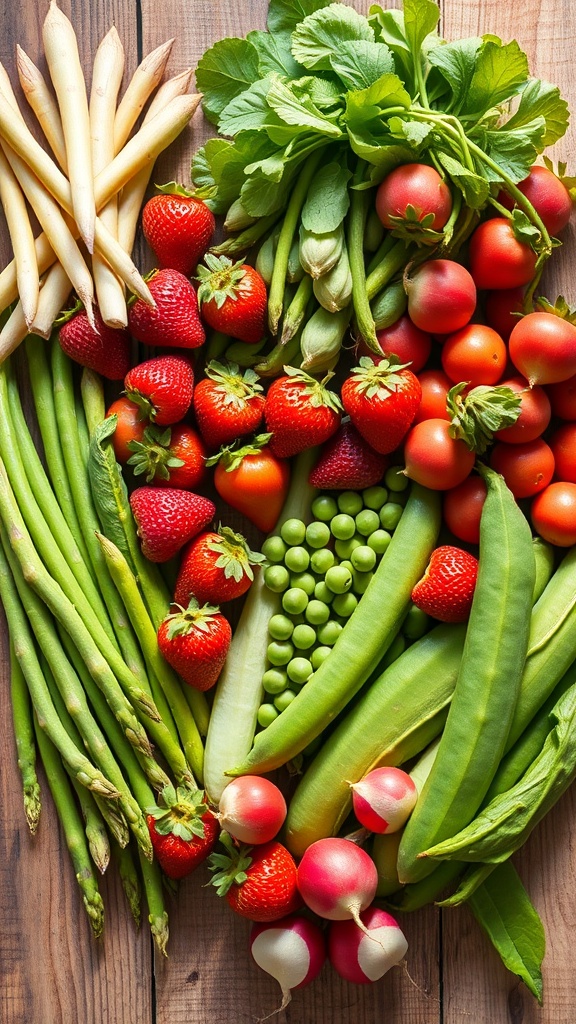
Spring is the perfect season for budget‑friendly cooking. Farmers’ markets and grocery stores flood with cheap, in‑season produce like asparagus, peas, and strawberries. Those items are not only low‑priced, they’re also packed with vitamins that let you skip pricey supplements. Plus, you can take advantage of unit‑pricing tricks that make bulk purchases work for you.
What you’ll need before you start
- Spreadsheet or paper ledger (I swear by a simple Google Sheet)
- Basic pantry staples: rice, beans, pasta, canned tomatoes, oil, spices
- Access to a grocery store with a solid loyalty program — see my top 5 loyalty programs
- Seasonal produce list — I’ve pulled the USDA’s Seasonal Produce Calendar
Step‑by‑step: Building the plan
- Set your weekly budget in a spreadsheet. Write $30 in the top row, then allocate $20 for proteins, $5 for veggies, $3 for carbs, $2 for extras. This gives you a clear ceiling before you shop.
- Map out meals around a single protein. I use a versatile ingredient like dry beans or canned tuna. They’re cheap, shelf‑stable, and can be turned into salads, soups, or stir‑fries.
- Choose 3‑4 seasonal veg items. For spring, I pick asparagus, peas, carrots, and a handful of strawberries for a sweet snack. Check the farmers‑market guide for the best deals.
- Buy in bulk when unit price beats per‑unit price. Use the Unit‑Pricing Masterclass to compare $/lb versus $/each. Often a 2‑lb bag of frozen peas is cheaper per serving than fresh.
- Plan each meal on paper. Write down breakfast, lunch, dinner, and two snacks per day. Keep the protein constant, rotate veggies, and use cheap carbs like rice or pasta to stretch the calories.
- Shop with a list and stick to it. No impulse buys. If a sale item isn’t on your list, leave it.
- Prep in bulk. Cook a big pot of bean soup on Sunday, portion into containers, and reheat throughout the week. This saves time and reduces food waste.
Pro tips for squeezing every dollar
- Use store brands. They’re often 15‑30% cheaper than name brands and taste just as good when seasoned properly.
- Freeze leftovers. A cooked batch of rice or roasted veggies lasts up to 3 months in the freezer, giving you a ready‑to‑go side for future meals.
- Leverage loyalty rewards. Many chains give instant discounts on items you already buy. My favorite? Aldi’s “Special Buys” combined with the Aldi vs. Lidl vs. Trader Joe’s showdown.
Common mistakes (and how to avoid them)
- Buying “sale” items you don’t need. The sale price looks great, but if it adds to waste, it’s a loss. Stick to your list.
- Skipping unit‑price checks. A larger package can be cheaper per ounce, but only if you’ll use it before it spoils.
- Relying on a single cheap protein. Variety prevents boredom. Mix beans with canned tuna or eggs throughout the week.
- Forgetting pantry staples. Running out of oil or spices forces you to buy pricier pre‑flavored items.
Wrap‑up: What you’ve achieved
By following this plan you’ll have:
- Seven days of balanced meals for under $30
- A reusable spreadsheet template (download here)
- Reduced food waste and a clearer view of where every dollar goes
Next step? Try swapping one protein for a plant‑based option like lentils and see how the cost drops even further. Happy budgeting!