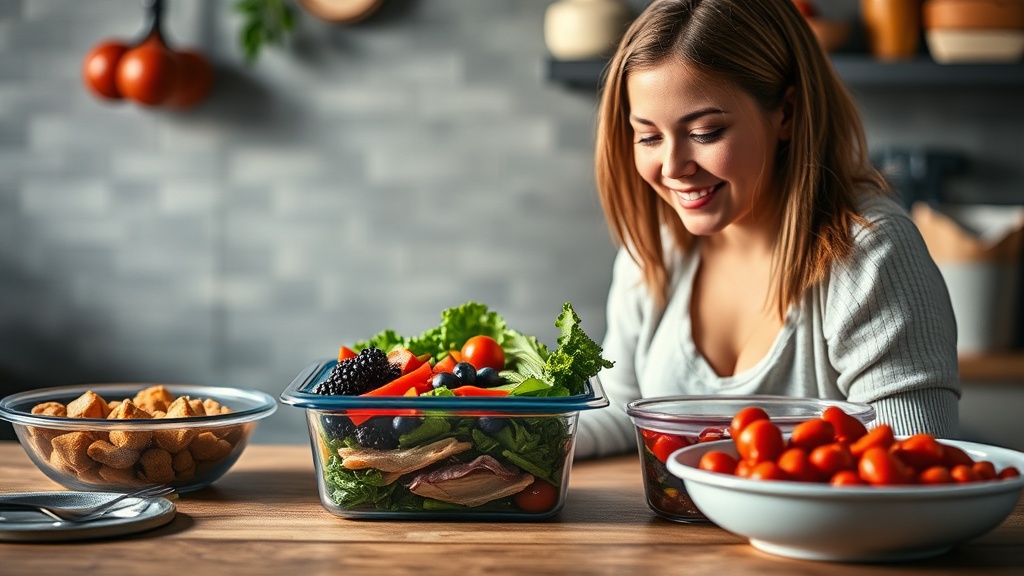
Healthy Meal Prep on a Budget: A Complete Beginner's Guide

Meal prep saves time, cuts grocery bills, and keeps healthy eating consistent—no daily cooking required. This guide breaks down exactly how to start prepping nutritious meals on a tight budget, from grocery strategy to storage solutions. You'll learn which foods store well, how to batch-cook without waste, and the gear worth buying versus what's just marketing fluff.
What Foods Should Beginners Prep First?
Start with ingredients that hold up for five days without turning sad. Grains like rice and quinoa, roasted vegetables (sweet potatoes, broccoli, Brussels sprouts), and proteins such as chicken thighs, ground turkey, and eggs are your foundation.
Here's the thing—some foods meal prep beautifully. Others turn into mush by Wednesday. Avoid pre-slicing avocado (it browns fast), skip delicate greens dressed in advance, and don't cook pasta for the full week (it gets gummy).
The "Prep-First" List:
- Grains: Brown rice, quinoa, farro—these reheat like champs
- Proteins: Baked chicken thighs, hard-boiled eggs, canned beans (rinse the sodium off)
- Vegetables: Roasted root veggies, raw carrots and peppers, steamed green beans
- Breakfast: Overnight oats, egg muffins, chia pudding
Worth noting—canned and frozen vegetables are just as nutritious as fresh. The FDA confirms that freezing locks in nutrients at peak ripeness. A $1.29 bag of frozen broccoli beats $4 worth of fresh florets that wilt in the crisper drawer.
How Much Money Can Meal Prep Actually Save?
Consistent meal prep typically cuts food spending by 30-40%—often $150-200 monthly for one person. The math is simple: planned grocery trips mean fewer impulse buys, less takeout, and zero wasted produce rotting in the fridge.
The catch? You need to prep what you'll actually eat. A fridge full of untouched containers is just expensive trash. Start small—prep three days of lunches, not seven days of every meal. Build the habit first.
| Approach | Weekly Food Cost (1 person) | Annual Savings |
|---|---|---|
| Daily takeout lunch ($12 avg) | $84 | Baseline |
| Prepped lunches + some takeout | $45 | $2,028 |
| Full meal prep (breakfast, lunch, dinner) | $35 | $2,548 |
That said, meal prep doesn't mean eating the same sad chicken every day. Repurpose components—Sunday's roasted chicken becomes Tuesday's tacos, Wednesday's grain bowl, and Friday's soup. One protein, four meals, zero boredom.
What Kitchen Equipment Do You Actually Need?
You need three basics: a good chef's knife, sheet pans, and glass storage containers. Everything else is optional until you know you'll use it.
Skip the $300 air fryer and $150 Instant Pot for now. Start with what you have. A $12 Victorinox Fibrox chef's knife outperforms fancy blades three times the price. Two half-sheet pans from a restaurant supply store ($8 each) handle all your roasting. And those Pyrex glass containers with snap lids? They'll last years—unlike cheap plastic that stains and warps.
One smart buy: a digital food scale. Twenty bucks on Amazon. Weighing portions prevents the "eyeball it and hope" approach that wastes ingredients. You'll know exactly how much chicken to buy instead of guessing.
The $50 Starter Kit
- Victorinox chef's knife: $12
- Two half-sheet pans: $16
- Digital food scale: $20
- Four glass meal containers: $12 (or use what you have)
Done. That's it. Add gear only when a real need emerges—not because some influencer swears by a spiralizer.
How Do You Build a Budget-Friendly Meal Prep Plan?
Start with the sales flyer, not Pinterest. Check what your local grocery store (Aldi, Lidl, or regional chains like Giant Eagle) has discounted that week. Build meals around loss leaders—those front-page sale items stores use to get you in the door.
The strategy is dead simple:
- Sunday: Check ads, plan 3-4 meals using overlapping ingredients
- Monday: Shop with a list—no exceptions
- Tuesday: Prep proteins and grains (the time-consuming stuff)
- Wednesday: Assemble and portion
Overlapping ingredients are your secret weapon. Buy a big bag of carrots—some roast, some stay raw for snacking, some go into soup. One ingredient, three uses. Same with onions, potatoes, cabbage. These cheap staples stretch across multiple meals without feeling repetitive.
Sample Budget Prep Week ($35 total)
Grocery List:
- 5 lb bag chicken thighs: $8
- 2 bags frozen mixed vegetables: $3
- 2 lbs brown rice: $2
- Dozen eggs: $3
- 5 lb bag potatoes: $4
- Head of cabbage: $2
- Onions and garlic: $3
- Oats: $3
- Pantry staples (oil, spices): $7
That's breakfast (oatmeal with peanut butter), lunch (grain bowls), and dinner (roasted chicken with vegetables) for seven days. Under $5 per day. No excuses.
How Do You Store Prepped Meals Safely?
Proper storage keeps food safe for 4-5 days in the refrigerator. Cool cooked food within two hours, store at 40°F or below, and when reheating, hit 165°F internal temperature.
Glass beats plastic for longevity and safety. Plastic containers absorb odors, stain with tomato sauce, and degrade over time. Glass doesn't. It's also microwave-safe without the "is this melting?" anxiety.
Here are the non-negotiables:
- Label containers with dates—masking tape and a Sharpie work fine
- Store sauces separately (prevents soggy food)
- Keep cut produce in the crisper, not the door
- Freeze anything you won't eat within five days
Some meals freeze beautifully. Soups, stews, cooked beans, and marinated raw chicken all store well for months. Rice gets weird when frozen. Leafy salads turn to slime. Know the difference.
What Common Meal Prep Mistakes Should Beginners Avoid?
Over-prepping is the biggest trap. Newbies cook seven identical meals, get bored by Wednesday, and abandon the whole system. Start with variety within simplicity—two different proteins, two grain options, mix-and-match vegetables.
Another mistake: ignoring texture. Soft food on soft food is depressing. Pair crispy roasted vegetables with creamy beans. Add crunchy seeds or nuts to grain bowls. Texture keeps simple food interesting.
Skipping the taste test is rookie error number three. That "healthy" recipe with no salt, no acid, no herbs? It's punishment, not food. Salt your water when cooking grains. Add lemon juice or vinegar to dressings. Use garlic, cumin, smoked paprika—cheap spices transform cheap ingredients.
The reality is this: meal prep works when it's built around your actual life, not some fantasy version where you have infinite Sunday afternoons and a professional kitchen. Fifteen minutes of planning beats an hour of elaborate cooking. Two hours on Sunday saves ten hours during the week. Do the math. Make it work.