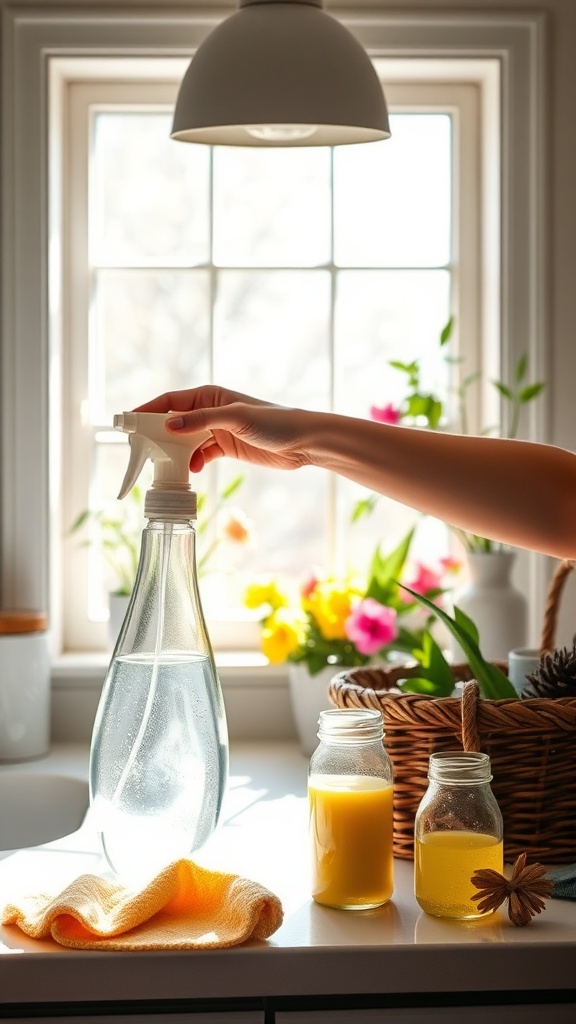
Eco-Friendly Spring Cleaning: Cut Waste and Freshen Your Home

Hook
Spring is the perfect time to open your windows, let the sunshine in, and finally tackle that mountain of dust and grime. But why settle for a chemical‑laden sprint when you can scrub your space clean and keep your wallet and the planet happy?
Context
Eco‑friendly cleaning isn’t a niche hobby anymore; it’s a mainstream movement powered by rising demand for sustainable products (see March 2026 market data). As a budget‑savvy health advocate, I’m all about swapping pricey sprays for DIY solutions that actually work.
What Are the Biggest Waste Culprits in Traditional Spring Cleaning?
Most of us reach for disposable wipes, single‑use sponges, and aerosol cleaners without a second thought. Those items add up fast:
- Paper towels – the average household uses ≈ 1,400 sheets per year (EPA, 2025).
- Plastic spray bottles – often tossed after a few months, creating ≈ 1.2 kg of plastic waste per bottle.
- Chemical cleaners – contain volatile organic compounds (VOCs) that harm indoor air quality and the environment.
Takeaway: Identifying these waste sources is the first step to a greener clean.
How Can You Replace Disposable Wipes With Reusable Alternatives?
Microfiber Cloths
A pack of high‑quality microfiber cloths (≈ $10) can replace hundreds of paper towels. They trap dust, grease, and microbes without chemicals. Wash them in warm water, skip the fabric softener, and they’re good for ≈ 300 uses.
Reusable Silicone Scrubbers
Silicone scrubbers are sturdy, dishwasher‑safe, and last for years. They’re perfect for pots, grout, and stubborn stains.
Pro tip: Keep a small basket by the sink for your cloths and scrubbers. When they’re damp, they’re ready to grab.
Which DIY Cleaning Solutions Are Both Effective and Budget‑Friendly?
| Problem | DIY Mix (All‑Purpose) | Cost per 16 oz (approx.) |
|---|---|---|
| Greasy stovetop | 1 cup white vinegar + 1 cup water + 1 tsp lemon juice | $0.15 |
| Bathroom grime | ½ cup baking soda + ¼ cup liquid castile soap + water | $0.10 |
| Moldy tiles | 1 cup hydrogen peroxide + 1 cup water | $0.20 |
All ingredients are store‑brand and can be bought in bulk at Aldi or Lidl for pennies.
How Do You Store Your Homemade Cleaners Safely?
- Glass Spray Bottles – Reuse cleaned glass bottles with a recycled‑glass spray top. They’re sturdier and don’t leach chemicals.
- Label Clearly – Use a permanent marker or a chalkboard label to note the formula and date.
- Cool, Dark Shelf – Keep them away from direct sunlight to preserve efficacy.
What Are Some Low‑Impact Tools You Can Add to Your Cleaning Arsenal?
- Bamboo Dustpan & Brush – Biodegradable and sturdy.
- Reusable Mop Pads – Micro‑fiber pads that wash in the machine.
- Plant‑Based Scrubbing Powders – Like castile soap or coconut‑oil‑based cleaners.
These tools may have a slightly higher upfront cost, but they pay for themselves in years of use.
How Can You Make the Most of Seasonal Discounts on Eco Products?
Spring is a peak time for green‑product sales. Retailers such as Target’s “Eco Essentials” aisle and Whole Foods often run 20‑30 % off promotions on reusable cleaning kits. Use the Unit‑Pricing Masterclass to compare per‑use cost and snag the best deal.
Internal link: Check out the Unit‑Pricing Masterclass: How to Spot Real Grocery Deals in 2026 for a deeper dive on price comparison.
Why Should You Pair Eco Cleaning with a Quick Pantry Audit?
A clean home starts with a clean pantry. Unused spices, expired canned goods, and soggy veggies add to waste. The 2026 Pantry Audit uncovers hidden leaks in your budget.
Internal link: Learn how to audit your pantry in the 2026 Pantry Audit: 3 Stealth Leaks in Your Budget.
How Do You Keep the Momentum Going After the Spring Clean?
- Schedule a Monthly Mini‑Clean – 15‑minute wipe‑down with microfiber.
- Track Savings – Use a simple spreadsheet (see my Spring Farmer’s Market guide) to log how much you spend on disposable cleaners vs. DIY.
- Share Your Wins – Post before/after pics on social; community accountability drives lasting change.
Internal link: Want budgeting tips for farmer’s markets? See How to Shop a Spring Farmer’s Market on a Tight Budget.
Takeaway
Eco‑friendly spring cleaning isn’t about perfection; it’s about making smarter swaps that save cash and cut waste. Start with reusable cloths, brew your own cleaners, and use the seasonal sales to upgrade your tools. Your home will feel fresher, your budget will thank you, and the planet gets a little lighter too.
Next step: Grab a microfiber cloth, mix a batch of vinegar‑lemon spray, and watch the grime disappear – all without a single disposable wipe.
Related Reading
- 2026 Grocery Price Outlook: How to Keep Your Food Budget in Check – Tips for stretching every grocery dollar.
- The 2026 Pantry Audit: 3 Stealth Leaks in Your Budget – Find hidden waste in your pantry.
- Unit‑Pricing Masterclass: How to Spot Real Grocery Deals in 2026 – Master the art of unit‑price comparison.