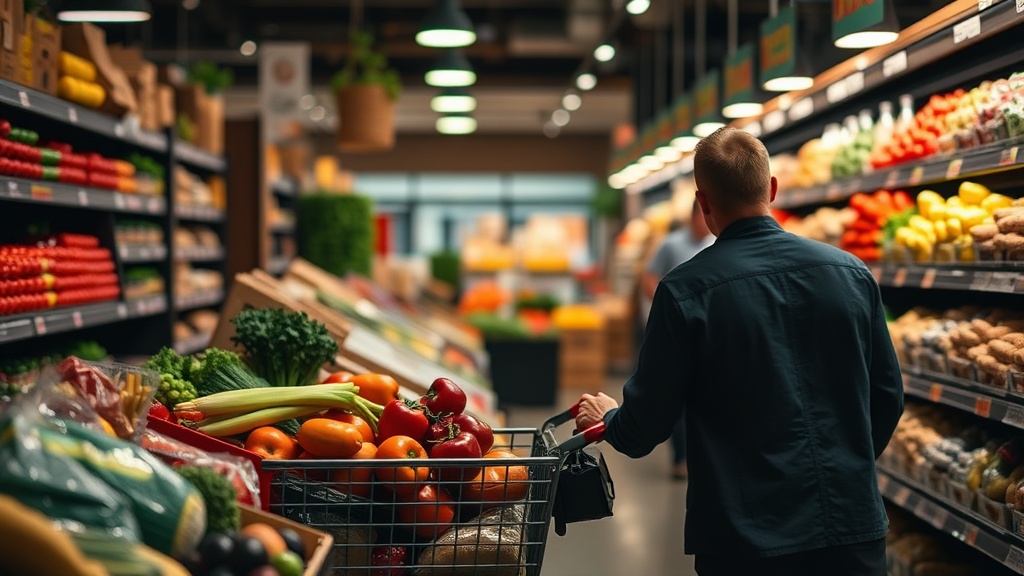
Crush Your Grocery Bill: Real Strategies for Smart, Budget-Friendly Shopping

Is your grocery bill spiraling out of control, leaving you wondering if healthy eating is even possible without a trust fund?
You’re not alone. The idea that nutritious food costs a fortune is a pervasive myth, but it’s just that—a myth. This isn't about giving up your favorite foods or surviving on ramen; it's about getting savvy with your spending and making every dollar work harder in the supermarket. We’ll dive into practical, no-nonsense strategies that cut through the noise and show you how to fill your cart with wholesome ingredients without emptying your wallet. From strategic planning before you even step foot in the store to tactical maneuvers in the aisles, you’ll learn to transform your grocery runs from a dreaded expense into a satisfying exercise in financial and nutritional victory.
How can I cut down my grocery spending without sacrificing good food?
The first step to winning the grocery game happens long before you grab a cart: it's all in the plan. Think of your meal plan as your playbook. Without one, you’re just wandering, vulnerable to impulse buys and convenience traps. Start by auditing what you already have. Before making any list, open your fridge, freezer, and pantry. What needs to be used up? What staples are low? Building meals around existing ingredients automatically reduces your shopping list and prevents waste. Next, consider your week: how many meals do you actually need to cook? Factor in leftovers, meals out (if any), and quick, easy options for busy nights. Don’t over-plan; flexibility is key to avoiding burnout and wasted food. Aim for 3-5 core dinners, knowing you can stretch them into lunches or tweak them slightly for variety.
Once you know what you’re working with and what you need, it’s time to get specific. Don’t just write “vegetables”—write “1 head broccoli, 2 carrots, 1 onion.” This precision prevents overbuying and ensures you have exactly what your recipes call for. And speaking of recipes, lean into dishes that share ingredients. If you buy a large bag of spinach, plan a stir-fry, a pasta dish, and maybe an omelet for breakfast to use it all up before it wilts. This ingredient-centric approach is a powerful money-saver. Another critical—and often overlooked—strategy is to track prices. Keep a small notebook or use a simple spreadsheet to note the regular prices of your most-purchased items at different stores. You’ll quickly learn what constitutes a good sale and where to buy specific items for the best value. This knowledge is your superpower in the supermarket.
The Power of the Price Per Unit: Your Secret Weapon
Forget the sticker price; the real hero on the shelf is the unit price. This tiny number, usually found near the main price tag, tells you the cost per ounce, per pound, or per count. It’s how you compare apples to apples, even if one is in a small bag and the other in a bulk bin. Often, the larger package is cheaper per unit, but not always! Sometimes the store brand looks cheaper but has a higher unit price than a sale-priced national brand. Get into the habit of glancing at that unit price for everything from cereal to canned goods. It’s the clearest indicator of true value.
Another tip for maximizing your budget is to embrace versatility. Ingredients that can play multiple roles in your kitchen are gold. Think oats (breakfast, baking, meatloaf binder), potatoes (sides, roasted, mashed, soups), or a whole chicken (roast one night, sandwiches another, broth from the carcass). These aren't just single-use items; they’re building blocks for a week's worth of meals, making your initial investment go further. And don’t shy away from humble, inexpensive ingredients. Lentils, dried beans, rice, seasonal root vegetables—these are the workhorses of a budget-friendly kitchen. They’re packed with nutrition, incredibly filling, and cost pennies per serving. A little creativity can transform them into delicious, satisfying meals.
What's the smartest way to navigate a grocery store on a budget?
Walking into a grocery store unprepared is like entering a maze blindfolded—you’re bound to get lost, overspend, and probably end up with a cart full of things you don’t really need. Your well-crafted list is your map, and sticking to it is your compass. But there’s more to smart navigation than just following your list. Stores are designed to entice you to spend more. They put the most expensive, often less healthy, items at eye level. The essentials—milk, eggs, bread—are typically scattered around the perimeter, forcing you to walk through tempting aisles of highly processed, higher-margin goods. Be aware of these tactics.
Start your shopping trip in the produce section, but proceed with caution. Prioritize seasonal fruits and vegetables—they’re always cheaper and taste better. Frozen produce is also an incredible value, often picked at peak ripeness and flash-frozen, locking in nutrients. Don’t dismiss the frozen aisle just because it’s not “fresh.” It’s a budget health advocate’s secret weapon. Next, hit the dairy and protein sections, again, with your list firmly in hand. If you eat meat, look for sales, and consider cheaper cuts that benefit from slow cooking, like chuck roast or chicken thighs. For plant-based protein, dried beans and lentils are unbeatable for price and nutrition.
The Bulk Bin Bonanza: Smart Savings, Smart Shopping
The bulk bins can be a treasure trove for budget shoppers, but they require a little strategy. They’re fantastic for things like dried beans, rice, oats, nuts, seeds, and spices—items you might use regularly but don't need a massive, pre-packaged amount of. Buying in bulk can significantly reduce your unit cost and allows you to buy just the amount you need, cutting down on waste. For instance, if you bake regularly, purchasing flour, sugar, or even active dry yeast from the bulk section can yield substantial savings over pre-packaged alternatives. However, be mindful of how much you realistically use. Buying a 50-pound bag of flour because it’s cheap per pound isn’t a deal if half of it expires before you can use it. Storage is also key here; invest in airtight containers to keep bulk items fresh and pest-free.