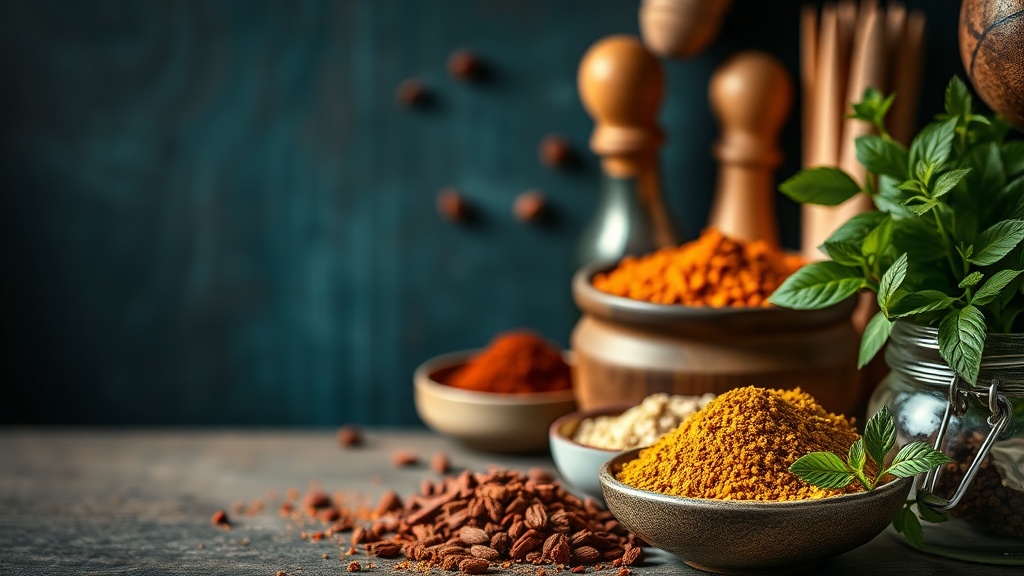
Build a Flavorful Kitchen with Low-Cost Spices and Aromatics

A person stands in the middle of a grocery aisle, staring at a tiny glass jar of organic way too-expensive saffron or a $9 bottle of specialized truffle salt. They have a bag of lentils, a bag of rice, and a handful of onions—the basics of a healthy meal—but the food feels incredibly bland. This is the "flavor gap." It’s the point where healthy eating starts to feel like a chore because the food lacks character. This guide shows you how to bridge that gap using high-impact, low-cost aromatics and spices that don't require a luxury budget.
Flavor isn't a luxury. It's math. If you can't afford the $15 jar of specialty spice blends, you can build those same profiles using base ingredients that cost pennies per serving. We’re talking about the heavy hitters: the onions, garlic, and basic spices that turn a boring bowl of beans into something you actually want to eat.
How Can I Buy Spices Without Overspending?
Buying spices in bulk or through international grocers is the most effective way to lower your per-ounce cost. Instead of grabbing the tiny, overpriced glass jars in the baking aisle of a standard supermarket, look for the big picture. A single jar of McCormick or a generic store brand might cost $4 for two ounces, but a large bag of cumin from an international market often provides ten times the volume for a fraction of the price.
Here are the three best ways to shop for spices strategically:
- Visit International Markets: Stores that specialize in Indian, Mexican, or Middle Eastern ingredients usually have much lower prices on staples like turmeric, cumin, coriander, and chili powder.
- Check the Bulk Section: If your local shop has a bulk bin section, you can buy exactly what you need for a single recipe. This prevents that half-used jar of cinnamon from sitting in your pantry for three years (and losing its potency).
- Buy "Blends" vs. Single Spices: Sometimes, buying a pre-made blend like Italian Seasoning or Curry Powder is actually cheaper than buying five separate jars, provided you use it frequently.
One thing to keep in mind: spices lose their punch over time. If you buy a massive bag of dried oregano because it was a bargain, make sure you actually have enough recipes to use it up before it turns into flavorless dust. You can check the FDA guidelines on food safety if you're worried about shelf life, but generally, if it doesn't smell like anything anymore, it's time to toss it.
What Are the Best Low-Cost Aromatics for Cooking?
Aromatics are the foundation of flavor, consisting of vegetables like onions, garlic, ginger, and celery that release scents and flavors when cooked. These ingredients are significantly cheaper than dried spices and provide the "base" for almost every savory dish in the world.
Think of aromatics as your flavor insurance policy. If you have an onion and a head of garlic, you can make almost any cheap protein or grain taste like a real meal. This is a fundamental part of using seasonal produce to lower your food costs because many aromatics are available year-round at very low prices.
The "Holy Trinity" of Aromatics:
- Alliums (Onions, Garlic, Shallots, Leeks): These are the undisputed kings of the kitchen. A five-pound bag of yellow onions is one of the highest-return investments you can make for your pantry.
- Ginger and Turmeric: These roots add heat and depth. While fresh can be pricey, many people find that using frozen ginger or even dried powder works just as well for a fraction of the cost.
- Celery and Carrots: These are often overlooked, but they provide the structural flavor for soups, stews, and even grain dishes.
Don't sleep on the "scraps." If you're making a soup, don't throw away those onion skins or carrot tops immediately. While I'm not suggesting you go full-on "waste-free" without some caution, using these to build a stock is a classic way to get more out of what you've already paid for.
How Much Does a Spice Collection Really Cost?
A functional, flavorful spice collection can be built for under $30 if you are smart about it. You don't need a 50-piece set from a department store; you need about 10 versatile staples that work across different cuisines. A well-curated collection prevents you from buying "single-use" spices that just take up space.
The following table compares the "Luxury" approach versus the "Smart Budget" approach for a basic kitchen setup:
| Spice/Aromatic | The "Luxury" Way | The "Smart Budget" Way | Why It Matters |
|---|---|---|---|
| Garlic | Jar of peeled cloves ($6) | Whole heads of garlic ($0.50/head) | Fresh garlic has much better flavor depth. |
| Cumin | Small glass jar ($5) | Bulk bag from Indian market ($2) | Cumin is a base for many global dishes. |
| Olive Oil | Small bottle of infused oil ($12) | Large tin of standard extra virgin ($15 for 1L) | Standard oil is a better base for cooking. |
| Curry Powder | Specialty organic blend ($8) | Generic large-format blend ($3) | Adds instant depth to grains and beans. |
The math is simple: the more you buy in bulk (where it makes sense), the more you save. But there's a catch—quality matters. If you buy the cheapest, oldest spices you can find, you're just adding salt and zero flavor. Stick to the middle ground: buy the store brand or the international brand, but keep it fresh.
When you're building your base, remember that spices are a way to stretch your ingredients. If you have a can of plain chickpeas, they are boring. If you sauté those chickpeas with some onions, garlic, and a heavy hand of cumin and paprika, they become a meal. You are using a small amount of "expensive" spice to make a large amount of "cheap" food taste much more expensive.
This strategy is also a perfect way to practice batch cooking on a budget. If you make a large pot of lentils, season them heavily with your aromatics and spices during the cooking process. This ensures the flavor penetrates the grain or legume, rather than just sitting on top of it. It makes your meal prep much more effective.
One final tip: don't be afraid to experiment with "cheap" heat. Red pepper flakes or even a dash of hot sauce can replace the need for more expensive, specialized hot peppers. Heat is a great way to add dimension to a dish when you're working with limited ingredients. It's a way to add "wow" factor without needing a high-end grocery store nearby.