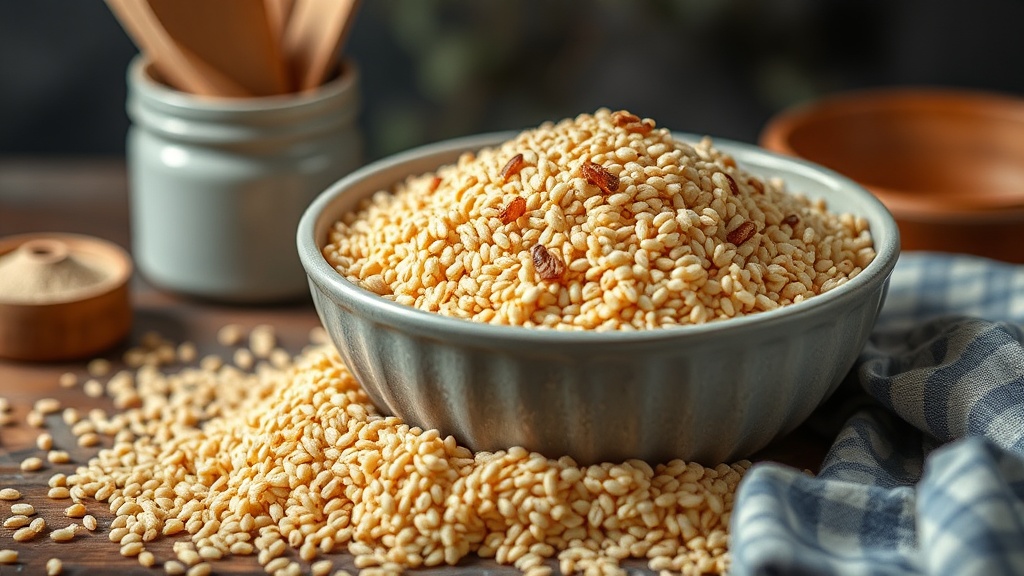
Batch Cook Grains on Sunday to Slash Your Weekly Food Bill

Quick Tip
Cook a large batch of grains every Sunday and portion them into containers so you have ready-to-eat bases for quick, budget-friendly meals throughout the week.
Batch cooking grains on Sunday saves serious cash and eliminates weeknight cooking stress. This post breaks down exactly how Sunday grain prep cuts grocery costs, which grains give the most bang for the buck, and how to store them without waste.
How much money does batch cooking grains actually save?
Pre-cooked rice pouches at Trader Joe's cost $2.99 for 16 ounces. Dry jasmine rice from the bulk bins? About $0.50 for the same amount. Cook it once on Sunday and that's $2.49 back in the pocket—per package. Scale that across a family buying three pouches weekly and you're looking at nearly $400 saved annually. Here's the thing: time-starved shoppers pay a 400-500% markup for convenience. The math doesn't lie.
Bulk grains stretch meals in ways that boxed "helpers" can't touch. A pound of lentils ($1.29 at Aldi) swells to six cups cooked. Mix with frozen veggies and a sauce—dinner feeds four for under $5. Restaurants charge $12 for grain bowls that cost $2.50 to replicate at home. That said, the savings disappear if half the pot goes moldy by Wednesday.
What grains work best for Sunday meal prep?
Some grains hold up better than others. The texture queens—farro, barley, wild rice—stay chewy and distinct through five days of refrigeration. Quinoa and brown rice get slightly firmer (not bad, just different). The catch? Delicate grains like millet turn mushy fast.
| Grain | Cost per lb (dry) | Yield (cooked cups) | Fridge life | Best use |
|---|---|---|---|---|
| Brown rice | $1.20 | 7 cups | 5 days | Grain bowls, fried rice |
| Quinoa | $3.50 | 9 cups | 5 days | Salads, breakfast porridge |
| Farro | $2.80 | 6 cups | 6 days | Hearty salads, soups |
| Lentils (green/brown) | $1.30 | 6 cups | 6 days | Sloppy joes, curry, tacos |
| Steel-cut oats | $2.00 | 8 cups | 5 days | Morning reheat with milk |
Start with two grains max—over-prep leads to waste. A Food Safety.gov reminder: cooked grains need refrigeration within two hours of cooking.
How do you store cooked grains so they don't go bad?
Shallow containers win. Spread hot grains thin (no deeper than two inches) so they cool fast—this stops the bacteria party before it starts. Once room temp, seal and refrigerate. Worth noting: glass containers (Pyrex, Anchor Hocking) keep food fresher longer than plastic, which can harbor smells and stains.
Portion before storing. Divvy into single servings so grabbing lunch means opening one container—not exposing the whole batch to air and bacteria every day. Freeze what won't get eaten by Thursday. Cooked rice and quinoa freeze beautifully in Ziploc freezer bags—flat for easy stacking. Thaw overnight or microwave straight from frozen.
Label with a Sharpie. "Brown rice—cooked 4/8" takes two seconds and removes the guesswork. Trust the nose and eyes over arbitrary dates. Off smell, sliminess, or pinkish mold (common on rice) means compost—not consumption. FDA food safety guidelines are clear: when uncertain, toss it.
One last trick—cook grains in low-sodium vegetable broth instead of water. The flavor upgrade costs pennies (Better Than Bouillon runs about $0.15 per cup) and eliminates the need for expensive sauces later. Plain grains become the base. Brothy grains become the meal.