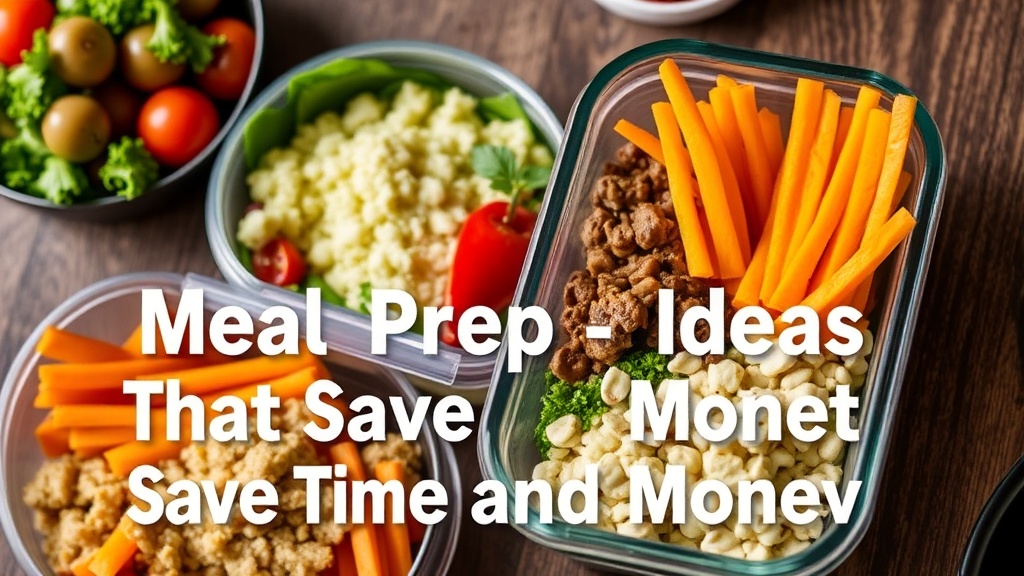
30 Budget-Friendly Meal Prep Ideas That Save Time and Money

What Makes Meal Prep Actually Worth the Effort?
Meal prep saves money by eliminating impulse purchases, reducing food waste, and cutting down on expensive takeout. This post covers 30 budget-friendly meal prep strategies that deliver real results—no fancy equipment, no $15 ingredients, just practical plans that work for actual grocery budgets.
How Much Can Meal Prep Really Save on Groceries?
Most households trim $150–$300 off monthly food bills with consistent meal prep. The math is simple: buying ingredients in bulk, cooking once to eat multiple times, and avoiding the markup on prepared foods adds up fast.
Here's what the numbers look like over a month:
| Approach | Weekly Food Cost (1–2 people) | Monthly Savings vs. Eating Out |
|---|---|---|
| Daily takeout or delivery | $200–$280 | Baseline (no savings) |
| Groceries with no plan | $120–$160 | $320–$480 |
| Strategic meal prep | $70–$100 | $520–$720 |
The difference between "groceries with no plan" and strategic prep? About $50–$80 weekly. That's real money—gas, utilities, debt payments.
What Are the Best Budget Proteins for Meal Prep?
Eggs, beans, lentils, chicken thighs, and canned tuna offer the most protein per dollar. Rotate these five and you'll never get bored—or broke.
Eggs: The $2 Powerhouse
A dozen large eggs runs $2–$4 depending on location. Each egg packs 6 grams of protein. Hard-boil a dozen on Sunday and you've got grab-and-go snacks, salad toppers, or quick breakfast sandwiches all week. Deviled eggs with a dash of hot sauce? Office lunch upgrade.
Dried Beans and Lentils
A pound of dried black beans costs around $1.50 and yields 6 cups cooked. Compare that to canned—three to four cans for the same amount runs $3–$5. The slow cooker (or a regular pot) does the work while you sleep.
Lentils cook faster—20 minutes, no soaking. Red lentils break down into soups. Green lentils hold shape for salads. A bag of green lentils at Trader Joe's? About $2. That bag makes eight servings.
Chicken Thighs Over Breasts
Bone-in, skin-on chicken thighs typically cost $1.50–$2.50 per pound. Boneless skinless breasts? $4–$6. The thighs stay juicier after reheating—critical for meal prep. Roast a sheet pan on Sunday, portion into containers, done.
What Staples Should Always Be in a Budget Meal Prep Pantry?
Rice, oats, pasta, frozen vegetables, canned tomatoes, onions, garlic, and cooking oil form the backbone of cheap, healthy meals. These ingredients stretch proteins, add volume, and prevent the "there's nothing to eat" trap that leads to delivery apps.
Buy rice in 10- or 20-pound bags at Costco, Aldi, or Asian grocery stores. Jasmine rice at H Mart runs under $20 for 25 pounds. That's months of base meals.
Frozen vegetables deserve more respect. Flash-frozen at peak ripeness, they last months and cost half what fresh does out of season. A 4-pound bag of frozen broccoli at Walmart? Around $5. Fresh florets? $3–$4 for a pound that wilts in a week.
30 Budget-Friendly Meal Prep Ideas
Breakfast Options (1–10)
- Overnight oats — Rolled oats ($3 for a large canister), milk, frozen berries. Prep five jars Sunday night.
- Egg muffin cups — Whisk eggs with diced vegetables, bake in a muffin tin. Freeze individually.
- Breakfast burritos — Scrambled eggs, beans, cheese in tortillas. Wrap in foil, freeze. Reheat in a toaster oven or microwave.
- Peanut butter banana toast — Not glamorous. Works. Ezekiel bread (found at most grocery stores) plus bulk peanut butter.
- Chia pudding — Chia seeds cost more upfront but stretch forever. Three tablespoons per cup of milk.
- Yogurt parfaits — Buy plain Greek yogurt in the large tub ($4–$6), portion with frozen fruit and oats.
- Savory oatmeal — Oats cooked with vegetable broth, topped with a fried egg and hot sauce.
- Breakfast fried rice — Leftover rice, scrambled eggs, frozen peas, soy sauce. Takes ten minutes.
- Baked oatmeal — Make a pan, cut into squares. Eat cold or warmed.
- Smoothie packs — Portion frozen fruit and spinach into freezer bags. Blend with water or milk.
Lunch Options (11–20)
- Mason jar salads — Dressing on the bottom, hearty vegetables next, greens on top. Invert into a bowl at lunch.
- Grain bowls — Rice or quinoa base, roasted vegetables, beans or chicken, simple sauce (tahini and lemon, or soy and sesame).
- Chicken and vegetable soup — One pot makes six to eight servings. Freezes perfectly.
- Lentil curry — Red lentils, coconut milk, curry paste. Serve over rice. Costs under $8 for six servings.
- Pasta salad — Rotini holds sauce well. Add chickpeas, diced vegetables, Italian dressing.
- Burrito bowls — Cilantro-lime rice, black beans, corn, salsa, chicken or beef. Skip the $12 Chipotle run.
- Stuffed sweet potatoes — Bake four on Sunday. Fill with black beans, cheese, salsa, or leftover proteins.
- Egg salad sandwiches — Classic for a reason. Use Greek yogurt instead of mayo to stretch further.
- Tuna pasta salad — Canned tuna ($1–$1.50), pasta, frozen peas, mayo or olive oil.
- Vegetable fried rice — The ultimate leftover vehicle. Any vegetable, any protein, day-old rice.
Dinner Options (21–30)
- Sheet pan chicken and vegetables — Thighs, potatoes, carrots, onions. One pan, minimal cleanup.
- Chili — Beans, tomatoes, ground turkey or beef. Top with Greek yogurt (sour cream substitute) and green onions.
- Spaghetti with meat sauce — Stretch half a pound of ground beef with lentils or mushrooms.
- Stuffed bell peppers — Fill with rice, black beans, corn, and cheese. Bake and portion.
- Coconut chickpea curry — Canned chickpeas, coconut milk, curry spices. Serve over rice or with naan.
- Baked ziti — Pasta, marinara, ricotta, mozzarella. Makes a 9x13 pan—six to eight portions.
- Fried rice with whatever's left — Seriously. This is where meal prep gets flexible.
- Vegetable frittata — Eggs, vegetables, cheese. Good hot, cold, or room temperature.
- Black bean tacos — Canned beans seasoned with cumin and chili powder. Corn tortillas, cabbage slaw, lime.
- One-pot pasta — Pasta cooks in the same pot as vegetables and sauce. Less water, more flavor.
What Equipment Do You Actually Need?
Three items handle 90% of budget meal prep: a large sheet pan, a good chef's knife, and containers that seal tight. Everything else is optional.
The Nordic Ware half-sheet pan ($15–$20) lasts years. For knives, the Victorinox Fibrox Pro 8-inch chef's knife runs about $40 and outperforms knives triple the price.
Containers? Glass (Pyrex, Anchor Hocking) reheats better but costs more. Plastic (Rubbermaid Brilliance, Snapware) is lighter and cheaper—just avoid microwaving tomato-heavy foods that stain.
How Do You Keep Meal Prep from Getting Boring?
Rotation is key. The same chicken and rice five days straight? You'll quit by Wednesday. Instead, prep components—proteins, grains, vegetables separately—then mix and match.
Sauces change everything. A jar of salsa verde, a container of peanut sauce, some chimichurri. Same base ingredients, totally different meals. Huy Fong sriracha, Frank's RedHot, Goya sofrito—these are cheap flavor multipliers.
Here's the thing about "variety": you don't need 30 different recipes. You need five solid ones you can rotate without thinking. Decision fatigue is real. Remove it.
What About Meal Prep for Special Diets?
Budget meal prep works for vegetarian, gluten-free, and dairy-free eaters—it just requires slight adjustments. The core principles (cheap proteins, bulk staples, frozen vegetables) stay the same.
Gluten-free? Rice, potatoes, and corn tortillas replace wheat. The FDA's gluten-free labeling guidelines help identify safe packaged foods.
Dairy-free? Coconut milk replaces cream in curries. Nutritional yeast adds cheesy flavor without cheese.
How Long Does Prepped Food Actually Last?
Cooked proteins keep three to four days refrigerated. Grain dishes last four to five days. Soups and stews? Often better on day three. Worth noting: if something smells off, it is off—regardless of the calendar.
Freezing extends everything. Most cooked meals freeze well for two to three months. Label containers with dates. Future you will appreciate it.
The catch? Some foods don't freeze beautifully—raw potatoes, cream-based sauces, leafy salads. Plan around that. Freeze the chili, not the lettuce.
Final Thoughts on Building the Habit
Start small. Five breakfasts. Three lunches. Don't try to prep 21 meals on your first Sunday. The goal is sustainable systems, not Pinterest perfection.
Shop with a list. The "no plan" grocery run is where budgets die. Check what's on sale—chicken thighs 40% off? Buy extra, freeze, build next week's menu around them.
Meal prep isn't about having picture-perfect containers. It's about eating well without hemorrhaging money or time. That's it. The rest is noise.