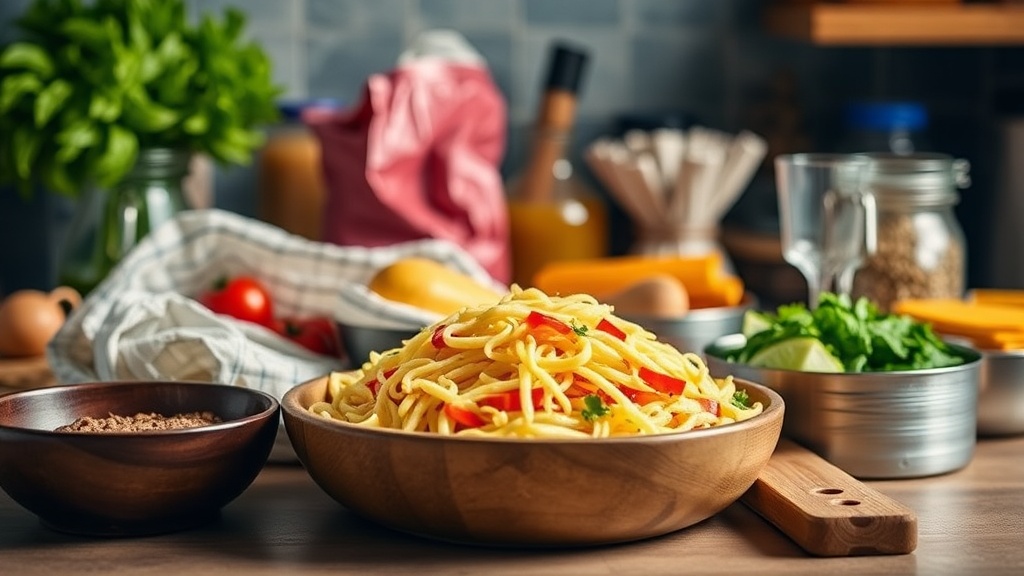
15 Budget-Friendly Pantry Staples for Nutritious Meals Every Day

Eating well doesn't require a Whole Foods budget. This post covers 15 affordable pantry staples that form the backbone of nutritious, filling meals—no specialty ingredients, no $12 "superfood" powders, just real food that stretches your dollar. Whether you're feeding a family or cooking for one, these staples make healthy eating achievable on actual budgets.
What Are the Cheapest High-Protein Pantry Staples?
Beans, lentils, and dried peas deliver the most protein per dollar in any grocery store. A one-pound bag of dried black beans costs around $1.50 and yields six cups cooked—that's roughly 12 servings with about 15 grams of protein each. Canned beans run higher (about $0.80 to $1.20 per can) but still beat meat on price.
Here's the thing: dried lentils don't require soaking. Red lentils cook in 15 minutes. Green and brown take 20–25. They're bland on their own—add cumin, smoked paprika, or a splash of vinegar. (Don't salt until the end or they stay tough.)
| Protein Source | Price Per Pound (Dried) | Cooking Time | Protein Per Serving |
|---|---|---|---|
| Red Lentils | $1.80 | 15 minutes | 18g |
| Black Beans (dried) | $1.50 | 1.5 hours (or 8 min pressure cooker) | 15g |
| Chickpeas (dried) | $1.60 | 1.5 hours | 15g |
| Split Peas | $1.40 | 45 minutes | 16g |
| Peanut Butter (Aldi brand) | $2.29 | No cooking | 8g per 2 tbsp |
Storage tip: Dried beans keep for years in airtight containers. Canned goods last 2–5 years. Rotate stock—first in, first out.
How Do You Build Flavor Without Expensive Ingredients?
Aromatics and acid. Onions, garlic, and canned tomatoes form the base of countless cheap meals. A 5-pound bag of yellow onions runs $3–$4 at Aldi or Walmart and lasts weeks. Garlic—buy whole heads, not the pre-minced jars. (The jar stuff costs 4x more and tastes like regret.)
Canned diced tomatoes are non-negotiable. The Harvard T.H. Chan School of Public Health notes that canned tomatoes actually contain more bioavailable lycopene than fresh—heat processing breaks down cell walls. A 28-ounce can costs $0.98 at most grocery chains.
Stock these four items and you've got the foundation for:
- Simple pasta sauces (tomatoes + garlic + onion + olive oil)
- Hearty bean soups (any bean + tomatoes + aromatics)
- Spanish-style rice (toasted rice + tomatoes + onion + cumin)
- Shakshuka (eggs poached in tomato sauce—breakfast for dinner)
Worth noting: tomato paste in the tube (Amore or Cento brands) beats the can for small households. It keeps in the fridge for months. A tablespoon adds depth to anything.
What Grains Give You the Best Nutrition for Your Dollar?
Oats, brown rice, and whole wheat pasta. Skip the instant oatmeal packets ($0.30+ per serving) and buy old-fashioned rolled oats in bulk—$2.50 for a 42-ounce canister at Trader Joe's, about $0.10 per serving. Steel-cut oats take longer (20–30 minutes) but have a chewier texture some prefer.
Brown rice costs roughly the same as white but retains the bran layer—more fiber, more B vitamins, more staying power. The catch? It takes 45 minutes to cook. The solution: batch cook on Sunday, portion into containers, reheat all week. Or invest in a $20 rice cooker from Target—set it and forget it.
Whole wheat pasta has improved dramatically. Barilla and Ronzoni both make versions that don't taste like cardboard. At $1.50 per box (8 servings), it's one of the fastest cheap meals you can make. Pair with that canned tomato sauce, a can of drained chickpeas, and frozen spinach—dinner for four costs under $4.
"The idea that healthy food is expensive is marketing. A bag of lentils and some vegetables feeds a family for the price of one fast food meal."
Which Pantry Items Last the Longest?
White rice, honey, vinegar, and pure vanilla extract—basically immortal when stored properly. White rice lacks the oil-rich bran of brown rice, so it doesn't go rancid. Archaeologists have found edible honey in 3,000-year-old Egyptian tombs. (Seriously.)
These aren't just survivalist stockpile items—they're practical. A 10-pound bag of jasmine rice ($8–$10 at Asian markets) provides 100+ servings. It pairs with beans, stir-fries, curry, or just a fried egg and hot sauce.
Apple cider vinegar and white vinegar serve different purposes. ACV works in dressings and as a digestive tonic (diluted—don't drink it straight). White vinegar cleans produce and brightens bean dishes. Both cost under $3 for large bottles.
The Oil Question
You need two: extra virgin olive oil for finishing (salads, drizzles) and a neutral oil for cooking. The olive oil doesn't need to be fancy—Consumer Reports found that Kirkland Signature and California Olive Ranch both offer quality EVOO at reasonable prices. For high-heat cooking, avocado oil works but costs more. Refined olive oil or plain vegetable oil ($3–$4 for 48 ounces) handles frying and roasting just fine.
What Spices Do You Actually Need?
Ten spices cover 90% of cooking: salt, black pepper, cumin, chili powder, paprika, oregano, garlic powder, onion powder, cinnamon, and red pepper flakes. Buy them at international grocery stores or in the Hispanic foods aisle—the same McCormick cumin costs half as much in the "ethnic" section versus the spice aisle. (Retail geography is weird.)
That said, don't buy everything at once. Start with salt, pepper, and garlic powder. Add cumin for Mexican and Middle Eastern flavors. Paprika (smoked Spanish paprika if you can find it) adds instant depth. Chili powder combines multiple spices—it's a shortcut in a jar.
Store spices away from the stove. Heat and light destroy flavor. If a spice smells like nothing, it tastes like nothing. Whole spices (cumin seeds, peppercorns) last longer than ground—buy a $5 coffee grinder and grind your own.
What About Fruits and Vegetables?
Frozen and canned. Fresh produce spoils. Frozen vegetables were picked at peak ripeness and flash-frozen—sometimes more nutritious than "fresh" produce that's been trucked across the country. A 12-ounce bag of frozen spinach costs $1.25 and equals about 3 cups cooked. Frozen mixed vegetables, broccoli, and green beans all microwave in minutes.
Canned options to keep on hand:
- Pumpkin puree—not just for pie. Mix into oatmeal, blend into smoothies, stir into pasta sauce for hidden vegetables. Libby's 100% Pure Pumpkin, $2 per can.
- Tuna in water—14 grams of protein per can. Mix with white beans, olive oil, and lemon for a 5-minute meal. Chicken of the Sea or Starkist, $1 per can on sale.
- Coconut milk—full-fat Thai Kitchen brand ($2) transforms rice, lentils, or sweet potatoes into curry.
How Do You Stock a Pantry for $50?
Start with the backbone—grains and legumes. Here's a realistic shopping list using actual prices from Aldi and Walmart:
| Item | Price | Servings |
|---|---|---|
| 5 lb bag brown rice | $3.49 | 50 |
| 42 oz old-fashioned oats | $2.39 | 30 |
| 2 lb dried black beans | $2.98 | 24 |
| 1 lb dried lentils | $1.79 | 13 |
| 2 cans (28 oz) diced tomatoes | $1.96 | 8 |
| 3 lb yellow onions | $2.29 | 15 |
| 1 bulb garlic | $0.79 | 10 |
| 48 oz vegetable oil | $3.49 | 96 |
| 17 oz olive oil | $4.49 | 34 |
| 16 oz peanut butter | $2.29 | 14 |
| 4 cans tuna in water | $3.16 | 4 |
| 2 bags frozen vegetables | $2.50 | 8 |
| Salt, pepper, cumin, chili powder | $6.00 | — |
| TOTAL | $37.62 | 305+ |
That leaves $12 for eggs, a few fresh items, or a second type of bean. This isn't theoretical—this is how real people eat well on tight budgets. The USDA publishes monthly food cost reports showing that thrifty meal plans average $50–$60 per person weekly. A stocked pantry cuts that significantly.
Quick Meals From These Staples
Rice and beans gets boring. Here's how to vary it:
Lentil soup: Sauté onion and garlic. Add lentils, canned tomatoes, cumin, and water. Simmer 25 minutes. Add frozen spinach at the end.
Peanut noodles: Cook whole wheat pasta. Whisk peanut butter, soy sauce (if you have it), a splash of vinegar, and hot water to thin. Toss with pasta and frozen vegetables.
Spanish rice and beans: Toast rice in oil with cumin and chili powder. Add tomatoes and water. Simmer until tender. Top with canned beans.
Frittata-adjacent: Sauté onions, add frozen vegetables, pour in eggs (if you have them), or just serve over rice with hot sauce.
The strategy isn't fancy. It's sustainable. It's math. A pantry full of these 15 staples means you're never more than 20 minutes away from a hot, filling meal—no delivery app required, no guilt about the grocery bill. Stock it once, maintain it, and cook like you mean it.